THE ADVENTURE COLLECTIVE® · Independent discovery and booking for outdoor travel

Walk the heart of Marrakech with an accredited local guide—visit Koutoubia, Ben Youssef and the buzzing Jemaa el-Fnaa while learning about the city’s history, crafts and daily rhythms. This compact 3–4 hour itinerary mixes cultural depth with practical tips for first-time visitors.
Walk the heart of Marrakech with an accredited local guide—visit Koutoubia, Ben Youssef and the buzzing Jemaa el-Fnaa while learning about the city’s history, crafts and daily rhythms. This compact 3–4 hour itinerary mixes cultural depth with practical tips for first-time visitors.
The medina opens like a breathing organism: alleys narrow and widen, spice stalls exhale cumin and saffron, and the Koutoubia’s minaret punctures the skyline like a steady compass.
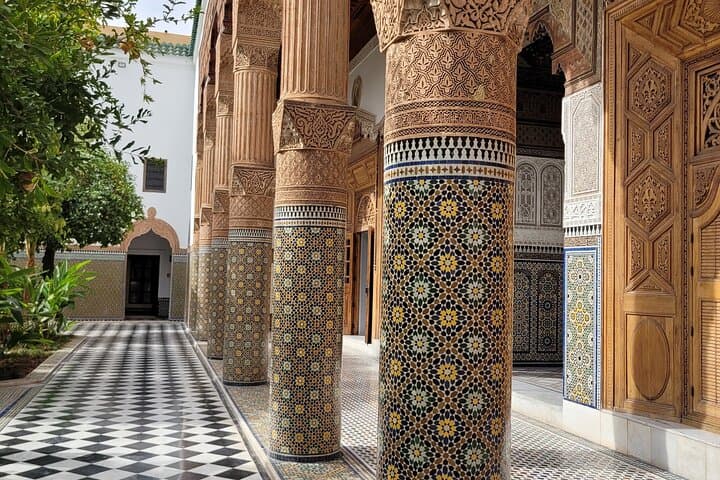
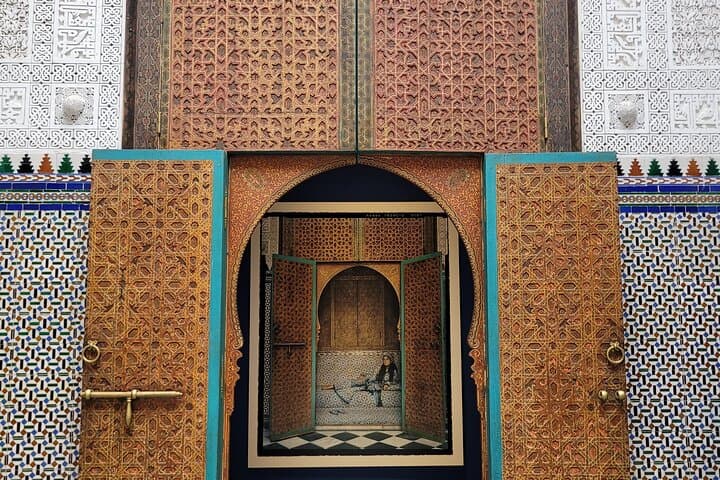
On this half-day walk an accredited local guide threads stories and stone together—pointing out the mosque’s 12th-century origins, the Ochre walls shaped from the city’s clay soils, and the Ben Youssef Madrasa’s carved cedar and zellij tiles that speak of Marrakech’s scholarly past.
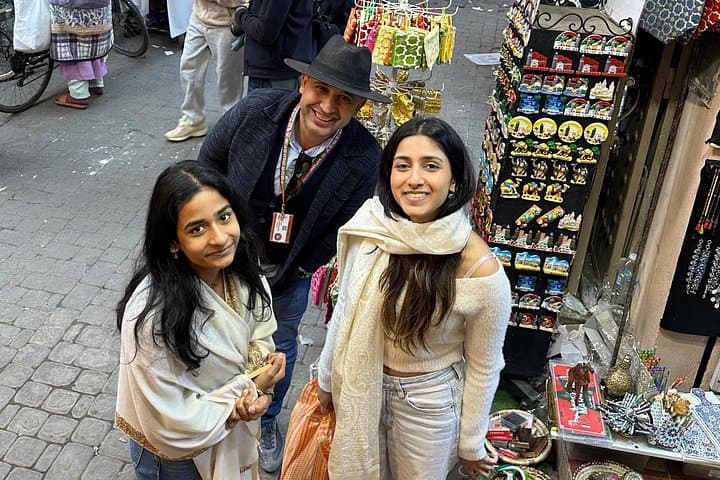
Geology shows in the city’s color; the red earth that built the ramparts also colors rooftops and lanes. Culturally the medina is a living workshop: carpenters, dyers and spice merchants working within sight of the UNESCO-listed Jemaa el-Fnaa, whose nightly transformation from market to street theatre remains central to local life.
Practical guidance is direct: the route covers compact cobbles and narrow souk aisles, totaling about 3–4 hours on foot with frequent stops; expect gentle pacing but constant walking. Morning or late afternoon departures avoid the midday heat and offer softer light for photos. Wear closed, grippy shoes for uneven stone, carry water and a small change pouch for purchases and entrance fees, and be ready to ask questions—guides here are animated storytellers who can explain craftsmanship, social norms, and how to negotiate respectfully. Accessibility is good in major squares, but alleyways can be tight—confirm any mobility needs with the operator beforehand. This tour balances cultural depth with clear logistics, making it a solid introduction to Marrakech for first-time visitors.
Verified experiences and guided adventures in the surrounding area.
Operated by marrakesh premium tours · Marrakech, Marrakesh-Safi
The medina opens like a breathing organism: alleys narrow and widen, spice stalls exhale cumin and saffron, and the Koutoubia’s minaret punctures the skyline like a steady compass.
On this half-day walk an accredited local guide threads stories and stone together—pointing out the mosque’s 12th-century origins, the Ochre walls shaped from the city’s clay soils, and the Ben Youssef Madrasa’s carved cedar and zellij tiles that speak of Marrakech’s scholarly past.
Geology shows in the city’s color; the red earth that built the ramparts also colors rooftops and lanes. Culturally the medina is a living workshop: carpenters, dyers and spice merchants working within sight of the UNESCO-listed Jemaa el-Fnaa, whose nightly transformation from market to street theatre remains central to local life.
Practical guidance is direct: the route covers compact cobbles and narrow souk aisles, totaling about 3–4 hours on foot with frequent stops; expect gentle pacing but constant walking. Morning or late afternoon departures avoid the midday heat and offer softer light for photos. Wear closed, grippy shoes for uneven stone, carry water and a small change pouch for purchases and entrance fees, and be ready to ask questions—guides here are animated storytellers who can explain craftsmanship, social norms, and how to negotiate respectfully. Accessibility is good in major squares, but alleyways can be tight—confirm any mobility needs with the operator beforehand. This tour balances cultural depth with clear logistics, making it a solid introduction to Marrakech for first-time visitors.
easy.
3–4 hours.
Suitable for most fitness levels; requires standing and walking on uneven surfaces for several hours.
Major squares and some routes are wheelchair accessible, but narrow alleys can be tight—confirm accessibility needs with the operator before booking.
Some monuments like the Ben Youssef Madrasa may require separate admission; check with the guide which sites have fees ahead of the tour.
Guides are typically accredited and fluent in common tourist languages such as English; request language preference when booking.
Full refund available if cancelled at least 24 hours before the scheduled departure time; check booking details for specifics.
Founded in the 11th century under the Almoravids, Marrakech’s red walls and medina grew from local clay and became a crossroads of trade and learning in North Africa.
High visitor numbers strain narrow medina streets—opt for refillable water, support local artisans directly, and follow paths to reduce wear on heritage sites.
marrakesh premium tours operates guided outdoor trips and adventures with an emphasis on safety, stewardship, and memorable experiences.

The medina opens like a breathing organism: alleys narrow and widen, spice stalls exhale cumin and saffron, and the Koutoubia’s minaret punctures the skyline like a steady compass.
On this half-day walk an accredited local guide threads stories and stone together—pointing out the mosque’s 12th-century origins, the Ochre walls shaped from the city’s clay soils, and the Ben Youssef Madrasa’s carved cedar and zellij tiles that speak of Marrakech’s scholarly past.
Geology shows in the city’s color; the red earth that built the ramparts also colors rooftops and lanes. Culturally the medina is a living workshop: carpenters, dyers and spice merchants working within sight of the UNESCO-listed Jemaa el-Fnaa, whose nightly transformation from market to street theatre remains central to local life.
Practical guidance is direct: the route covers compact cobbles and narrow souk aisles, totaling about 3–4 hours on foot with frequent stops; expect gentle pacing but constant walking. Morning or late afternoon departures avoid the midday heat and offer softer light for photos. Wear closed, grippy shoes for uneven stone, carry water and a small change pouch for purchases and entrance fees, and be ready to ask questions—guides here are animated storytellers who can explain craftsmanship, social norms, and how to negotiate respectfully. Accessibility is good in major squares, but alleyways can be tight—confirm any mobility needs with the operator beforehand. This tour balances cultural depth with clear logistics, making it a solid introduction to Marrakech for first-time visitors.
The medina opens like a breathing organism: alleys narrow and widen, spice stalls exhale cumin and saffron, and the Koutoubia’s minaret punctures the skyline like a steady compass.
On this half-day walk an accredited local guide threads stories and stone together—pointing out the mosque’s 12th-century origins, the Ochre walls shaped from the city’s clay soils, and the Ben Youssef Madrasa’s carved cedar and zellij tiles that speak of Marrakech’s scholarly past.
Geology shows in the city’s color; the red earth that built the ramparts also colors rooftops and lanes. Culturally the medina is a living workshop: carpenters, dyers and spice merchants working within sight of the UNESCO-listed Jemaa el-Fnaa, whose nightly transformation from market to street theatre remains central to local life.
Practical guidance is direct: the route covers compact cobbles and narrow souk aisles, totaling about 3–4 hours on foot with frequent stops; expect gentle pacing but constant walking. Morning or late afternoon departures avoid the midday heat and offer softer light for photos. Wear closed, grippy shoes for uneven stone, carry water and a small change pouch for purchases and entrance fees, and be ready to ask questions—guides here are animated storytellers who can explain craftsmanship, social norms, and how to negotiate respectfully. Accessibility is good in major squares, but alleyways can be tight—confirm any mobility needs with the operator beforehand. This tour balances cultural depth with clear logistics, making it a solid introduction to Marrakech for first-time visitors.