THE ADVENTURE COLLECTIVE® · Independent discovery and booking for outdoor travel

A focused, four-hour walk through Marrakech’s Medina that pairs must-see monuments with the living pulse of the souks. Ideal for first-time visitors who want history, crafts, and practical local tips in one compact experience.
A focused, four-hour walk through Marrakech’s Medina that pairs must-see monuments with the living pulse of the souks. Ideal for first-time visitors who want history, crafts, and practical local tips in one compact experience.
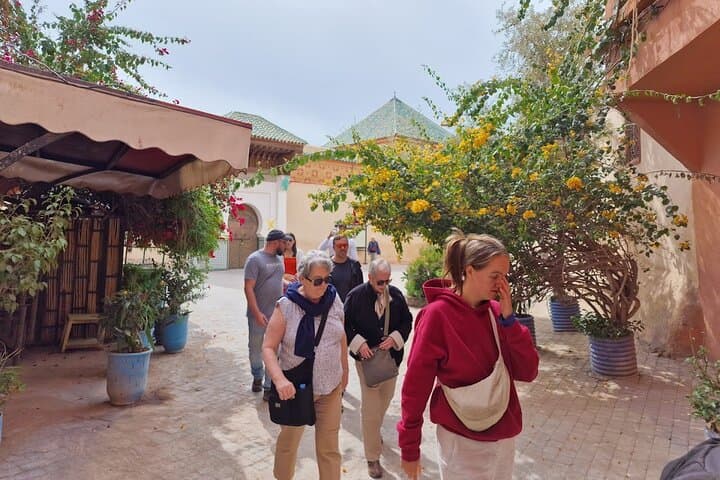
You meet in front of Café de France; the square already pulses — herb-sellers arrange bundles, the minaret of Koutoubia towers like a timekeeper, and narrow alleys pull you into the souk.
Verified experiences and guided adventures in the surrounding area.
Operated by Next Stop Morocco · Marrakech, Marrakech-Safi
You meet in front of Café de France; the square already pulses — herb-sellers arrange bundles, the minaret of Koutoubia towers like a timekeeper, and narrow alleys pull you into the souk.
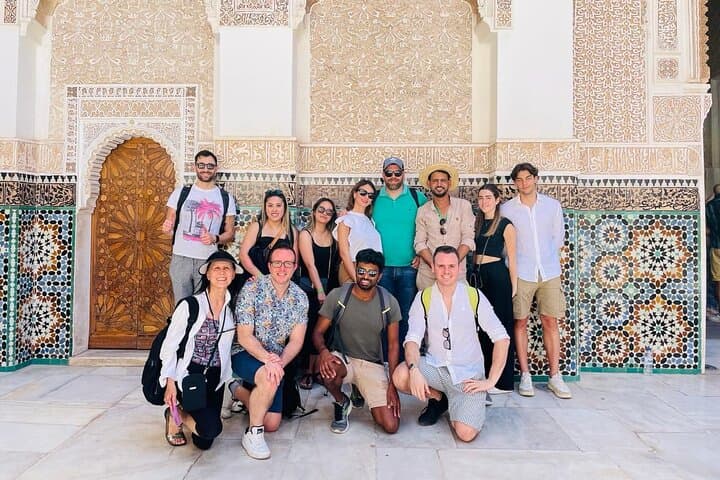
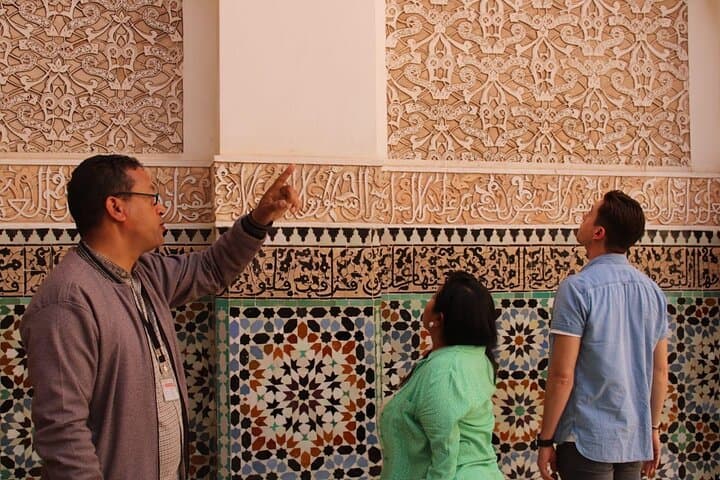
This half-day walking tour threads historical landmarks with market life. Walk past Koutoubia’s 12th-century Almohad minaret and step into the carved courtyards of Medersa Ben Youssef, where carved stucco and zellij tiles speak to centuries of Islamic scholarship. The opulent rooms of Bahia Palace reveal 19th-century tastes, while the Mellah (Jewish quarter) offers a different urban rhythm, reflecting Marrakech’s layered social history. Geologically, the city sits on red-clay plains at the edge of the High Atlas foothills — the earth’s color informs the ochre walls you navigate.
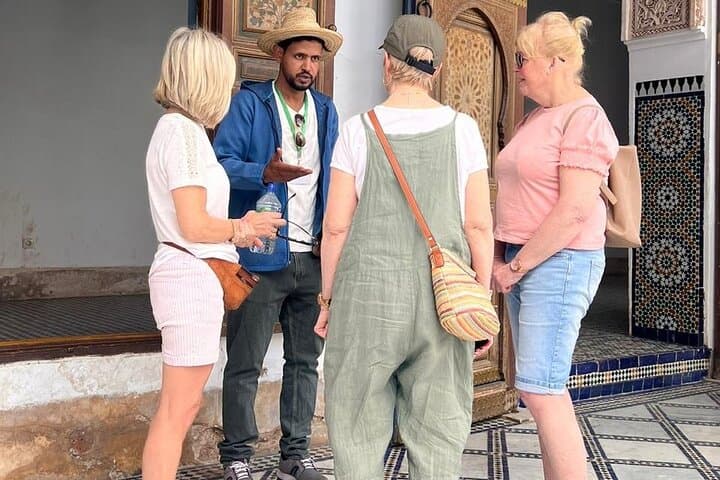
A local guide brings context to craftsmen’s stalls, explaining leather dyeing and the slow rhythms behind brasswork and woven textiles. Expect sensory contrast: citrus and spice, the scratched clack of a cobbler’s hammer, and the sudden quiet of a medersa courtyard.
Practical guidance: the route covers cobbled lanes and stepped thresholds — good walking shoes matter. Mornings are cooler and less crowded; late afternoons carry stronger light but more bustle. Bargain respectfully, carry cash in small denominations, and keep valuables close; bottled water is included, but a refillable bottle helps longer days. The tour is accessible for many mobility levels but check specifics if you require full wheelchair access. With a knowledgeable guide and a compact itinerary, this four-hour introduction is efficient and sensory — ideal for first-time visitors who want historic context without a full-day commitment.
easy.
4 hours.
Suitable for people with average mobility who can walk 2–3 miles on uneven terrain; not strenuous but requires standing and light walking.
No — entrance fees to places like Medersa Ben Youssef and Bahia Palace are typically not included; bring local currency for admissions.
The tour listing states wheelchair accessible, but parts of the Medina have cobbles and narrow passages; contact the operator ahead to confirm specific access needs.
This shared tour is limited to small groups (around 10 travelers), offering more personalized commentary than large coach tours.
Guides generally speak English, and some speak multiple languages — check availability and request a specific language when booking.
Marrakech grew under the Almoravid and Almohad dynasties; Koutoubia and the medina walls date to the 12th century while later palaces reflect 19th-century court life.
Support local artisans and reduce plastic waste by using refillable bottles; follow posted rules at historic sites to protect fragile tilework and woodwork.
Next Stop Morocco operates guided outdoor trips and adventures with an emphasis on safety, stewardship, and memorable experiences.
You meet in front of Café de France; the square already pulses — herb-sellers arrange bundles, the minaret of Koutoubia towers like a timekeeper, and narrow alleys pull you into the souk.
You meet in front of Café de France; the square already pulses — herb-sellers arrange bundles, the minaret of Koutoubia towers like a timekeeper, and narrow alleys pull you into the souk.
This half-day walking tour threads historical landmarks with market life. Walk past Koutoubia’s 12th-century Almohad minaret and step into the carved courtyards of Medersa Ben Youssef, where carved stucco and zellij tiles speak to centuries of Islamic scholarship. The opulent rooms of Bahia Palace reveal 19th-century tastes, while the Mellah (Jewish quarter) offers a different urban rhythm, reflecting Marrakech’s layered social history. Geologically, the city sits on red-clay plains at the edge of the High Atlas foothills — the earth’s color informs the ochre walls you navigate.
A local guide brings context to craftsmen’s stalls, explaining leather dyeing and the slow rhythms behind brasswork and woven textiles. Expect sensory contrast: citrus and spice, the scratched clack of a cobbler’s hammer, and the sudden quiet of a medersa courtyard.
Practical guidance: the route covers cobbled lanes and stepped thresholds — good walking shoes matter. Mornings are cooler and less crowded; late afternoons carry stronger light but more bustle. Bargain respectfully, carry cash in small denominations, and keep valuables close; bottled water is included, but a refillable bottle helps longer days. The tour is accessible for many mobility levels but check specifics if you require full wheelchair access. With a knowledgeable guide and a compact itinerary, this four-hour introduction is efficient and sensory — ideal for first-time visitors who want historic context without a full-day commitment.