THE ADVENTURE COLLECTIVE® · Independent discovery and booking for outdoor travel

Navigate Marrakech’s medina with a guide who brings you to vetted artisans, avoids tourist traps and tailors stops to your shopping priorities. This half‑day tour pairs cultural context with practical shopping advice.
Navigate Marrakech’s medina with a guide who brings you to vetted artisans, avoids tourist traps and tailors stops to your shopping priorities. This half‑day tour pairs cultural context with practical shopping advice.
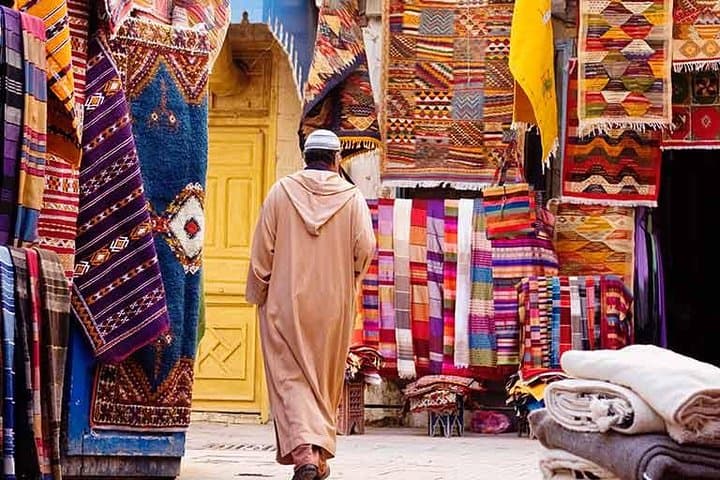
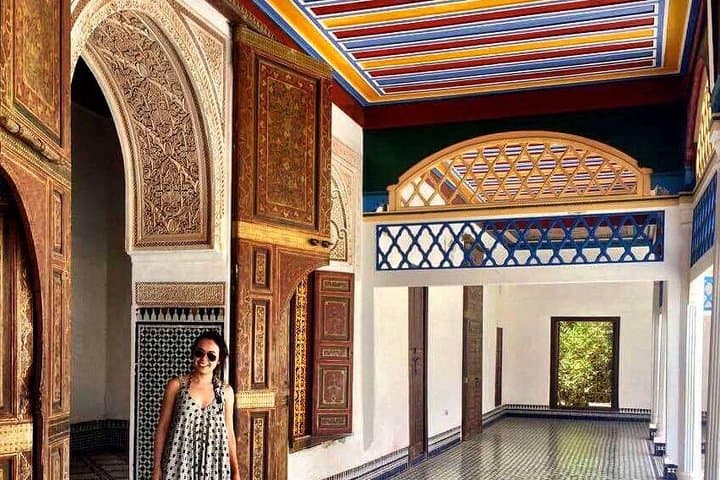
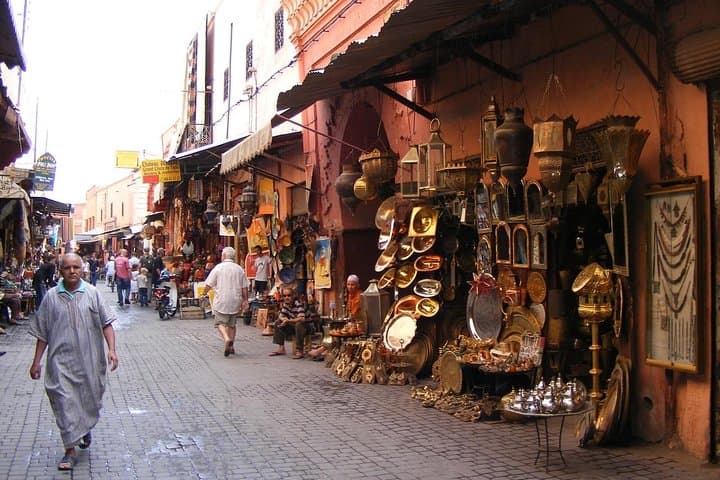
The medina unfolds like a living marketplace: call to prayer threads through alleys, spice stalls pour color into sunlight, and leather craftsmen bend over benches as the group moves from one courtyard to the next.
Verified experiences and guided adventures in the surrounding area.
Operated by tour in Morocco · Marrakech, Marrakech-Safi
The medina unfolds like a living marketplace: call to prayer threads through alleys, spice stalls pour color into sunlight, and leather craftsmen bend over benches as the group moves from one courtyard to the next.
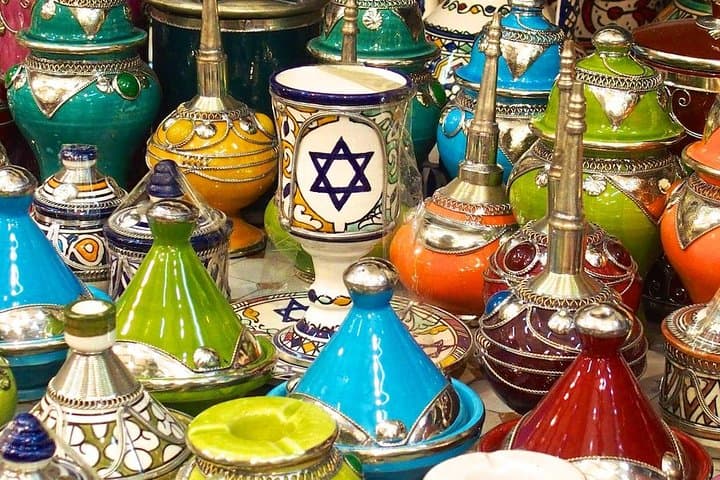
Marrakech’s old city dates to the 11th century when Almoravid rulers established a capital here; the city’s red ochre walls and nearby Atlas foothills are a reminder of geology and trade routes that shaped its markets. The tour concentrates on the souks clustered around Jemaa el-Fna—zones organized historically by craft—so visitors see leather, metalwork, carpets, spices and jewellery, and meet family-run workshops where techniques pass between generations.
Expect a curated, low-stress shopping route: a licensed guide and driver meet you, then tailor stops to what you’re looking for—bags, argan oil, lamps, or bespoke leather slippers—and explain local bargaining norms and product sourcing. The streets are largely flat cobblestone; total walking is light to moderate (roughly 2–4 km) with frequent stops.
Practical edge: carry small bills and exact change, leave large backpacks behind, and plan the visit for morning or late afternoon to avoid mid-day heat. Ask for production details—many artisans produce in small workshops and can provide quick tailoring or stamped authenticity for higher-value purchases.
Accessibility is generally good for most routes on this tour, and an air-conditioned vehicle handles transfers between points. The best souvenir is not just an object but the conversation with the maker—listen, verify, and buy with intention.
easy.
3–4 hours.
Light walking ability; suitable for most fitness levels and families.
Many small artisans accept cash only; some higher-end shops take cards—bring local dirhams for most purchases.
Yes; guides will explain local bargaining etiquette and can suggest fair starting offers based on the item.
The tour notes wheelchair accessibility and an air-conditioned vehicle; however some narrow alleys may be challenging—confirm specific needs at booking.
Yes; the tour includes hotel pickup and drop-off in an air-conditioned vehicle and is typically run by a licensed driver-guide.
Marrakech’s medina grew from an 11th-century Almoravid foundation and became a trade hub linking Saharan routes with Mediterranean markets.
Favor shops that source materials ethically and buy directly from artisans to support local economies; avoid purchasing items made from endangered species.
tour in Morocco operates guided outdoor trips and adventures with an emphasis on safety, stewardship, and memorable experiences.
The medina unfolds like a living marketplace: call to prayer threads through alleys, spice stalls pour color into sunlight, and leather craftsmen bend over benches as the group moves from one courtyard to the next.
The medina unfolds like a living marketplace: call to prayer threads through alleys, spice stalls pour color into sunlight, and leather craftsmen bend over benches as the group moves from one courtyard to the next.
Marrakech’s old city dates to the 11th century when Almoravid rulers established a capital here; the city’s red ochre walls and nearby Atlas foothills are a reminder of geology and trade routes that shaped its markets. The tour concentrates on the souks clustered around Jemaa el-Fna—zones organized historically by craft—so visitors see leather, metalwork, carpets, spices and jewellery, and meet family-run workshops where techniques pass between generations.
Expect a curated, low-stress shopping route: a licensed guide and driver meet you, then tailor stops to what you’re looking for—bags, argan oil, lamps, or bespoke leather slippers—and explain local bargaining norms and product sourcing. The streets are largely flat cobblestone; total walking is light to moderate (roughly 2–4 km) with frequent stops.
Practical edge: carry small bills and exact change, leave large backpacks behind, and plan the visit for morning or late afternoon to avoid mid-day heat. Ask for production details—many artisans produce in small workshops and can provide quick tailoring or stamped authenticity for higher-value purchases.
Accessibility is generally good for most routes on this tour, and an air-conditioned vehicle handles transfers between points. The best souvenir is not just an object but the conversation with the maker—listen, verify, and buy with intention.