THE ADVENTURE COLLECTIVE® · Independent discovery and booking for outdoor travel

See Marrakech’s key landmarks—Koutoubia, Bahia Palace, Ben Youssef and the medina—in a compact private four-hour tour. Perfect for visitors who want an efficient, guided introduction to the city’s history, architecture and souk life.
See Marrakech’s key landmarks—Koutoubia, Bahia Palace, Ben Youssef and the medina—in a compact private four-hour tour. Perfect for visitors who want an efficient, guided introduction to the city’s history, architecture and souk life.
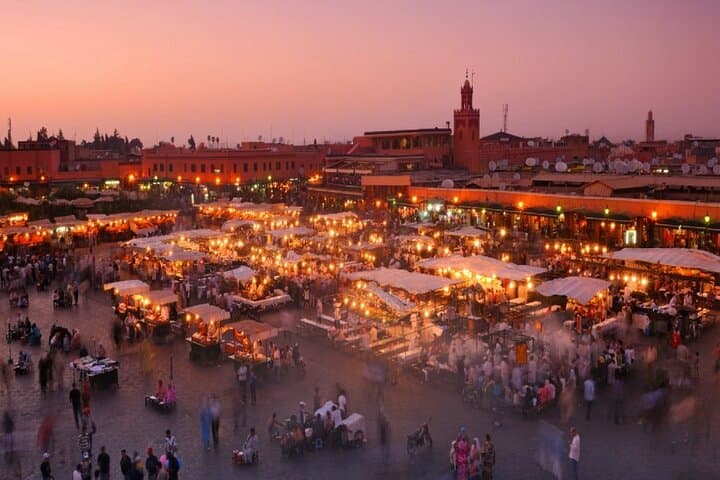
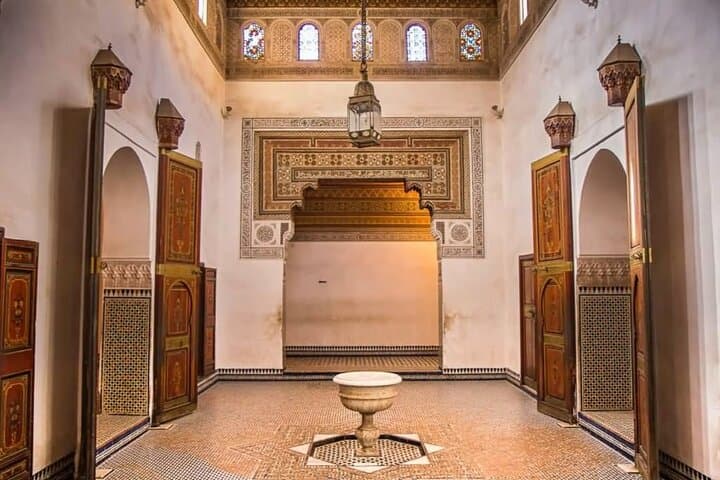
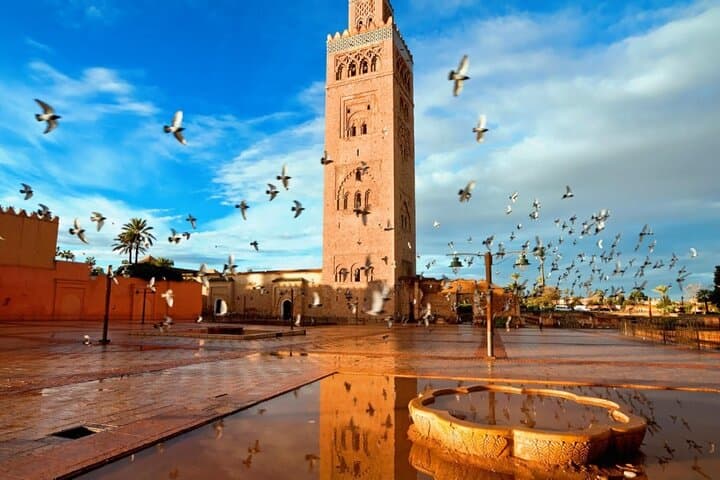
You step from an air-conditioned vehicle into a sunlit square where the city’s minaret cuts a clean line against the sky. Narrow alleys pull you inward; the dust-colored walls warm beneath your palm and the calls of vendors thread through the medina. In four hours a private guide maps Marrakech’s essentials—Koutoubia’s minaret, the carved courtyards of Bahia Palace, the cool tiled maw of Ben Youssef Madrasa, then the bustle of Jemaa el-Fnaa and the souks beyond.
Verified experiences and guided adventures in the surrounding area.
Operated by Safari Desert Tours · Marrakech, Marrakech-Safi
You step from an air-conditioned vehicle into a sunlit square where the city’s minaret cuts a clean line against the sky. Narrow alleys pull you inward; the dust-colored walls warm beneath your palm and the calls of vendors thread through the medina. In four hours a private guide maps Marrakech’s essentials—Koutoubia’s minaret, the carved courtyards of Bahia Palace, the cool tiled maw of Ben Youssef Madrasa, then the bustle of Jemaa el-Fnaa and the souks beyond.
The city’s bones date to the 11th century Almoravid foundation, but much you’ll see—Bahia’s late-19th-century apartments, the madrasa’s Andalusian-style stucco and cedar—speaks to layers of Moroccan craft and urban reinvention. Geologically, the red ochre of the medina comes from local clay and iron-rich soils; architecturally, wood and plaster carving reflect both Andalusian and Berber traditions.
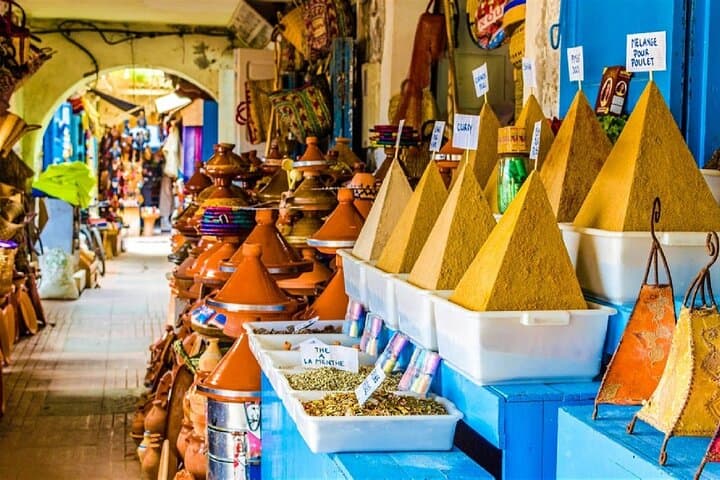
A half-day tour like this is compact and sensory: tiled riads, the scent of orange blossom, and vendors offering fresh-squeezed juice or leatherwork. Expect paved streets and cobbles, occasional staircases, and steady walking totaling roughly 2–4 km depending on stops.
Practical edge: wear closed, grippy shoes for uneven cobbles, carry sun protection and small change for purchases and photos, and aim for morning or late afternoon to avoid peak heat. The tour includes bottled water, private transport, guide, and pickup/drop-off. Modest dress is respectful at religious sites. If mobility is limited, notify the operator in advance—some alleys and historic buildings have steps and tight thresholds.
moderate.
4 hours.
Comfortable walking ability; expect several short standing stops and 2–4 km on cobbles and narrow streets
Admission is typically not included; check booking details and have cash or card ready for official entry fees.
Yes—infant seats are available and the private format adapts to families, but bring a stroller suitable for cobbled streets if needed.
This private tour is usually flexible—contact the operator in advance to prioritize specific sites or adjust pacing.
Access is limited: many alleys have narrow passages and steps. Notify the operator beforehand to discuss alternative routing and vehicle drop-off points.
Marrakech was founded in the 11th century by the Almoravids; many surviving monuments reflect later dynasties’ craftsmanship, especially the 19th-century additions to Bahia Palace.
The medina faces wear from heavy foot traffic—favor licensed guides and local artisans, avoid single-use plastics, and support shops practicing sustainable craft.
Safari Desert Tours operates guided outdoor trips and adventures with an emphasis on safety, stewardship, and memorable experiences.
You step from an air-conditioned vehicle into a sunlit square where the city’s minaret cuts a clean line against the sky. Narrow alleys pull you inward; the dust-colored walls warm beneath your palm and the calls of vendors thread through the medina. In four hours a private guide maps Marrakech’s essentials—Koutoubia’s minaret, the carved courtyards of Bahia Palace, the cool tiled maw of Ben Youssef Madrasa, then the bustle of Jemaa el-Fnaa and the souks beyond.
You step from an air-conditioned vehicle into a sunlit square where the city’s minaret cuts a clean line against the sky. Narrow alleys pull you inward; the dust-colored walls warm beneath your palm and the calls of vendors thread through the medina. In four hours a private guide maps Marrakech’s essentials—Koutoubia’s minaret, the carved courtyards of Bahia Palace, the cool tiled maw of Ben Youssef Madrasa, then the bustle of Jemaa el-Fnaa and the souks beyond.
The city’s bones date to the 11th century Almoravid foundation, but much you’ll see—Bahia’s late-19th-century apartments, the madrasa’s Andalusian-style stucco and cedar—speaks to layers of Moroccan craft and urban reinvention. Geologically, the red ochre of the medina comes from local clay and iron-rich soils; architecturally, wood and plaster carving reflect both Andalusian and Berber traditions.
A half-day tour like this is compact and sensory: tiled riads, the scent of orange blossom, and vendors offering fresh-squeezed juice or leatherwork. Expect paved streets and cobbles, occasional staircases, and steady walking totaling roughly 2–4 km depending on stops.
Practical edge: wear closed, grippy shoes for uneven cobbles, carry sun protection and small change for purchases and photos, and aim for morning or late afternoon to avoid peak heat. The tour includes bottled water, private transport, guide, and pickup/drop-off. Modest dress is respectful at religious sites. If mobility is limited, notify the operator in advance—some alleys and historic buildings have steps and tight thresholds.