THE ADVENTURE COLLECTIVE® · Independent discovery and booking for outdoor travel

A brisk half-day trip from Cusco delivers two of the Sacred Valley’s most striking outdoor sites: the crystalline salt ponds of Maras and the concentric agricultural terraces of Moray. Expect short hikes, high-altitude light, and living threads of Incan agricultural science.
A brisk half-day trip from Cusco delivers two of the Sacred Valley’s most striking outdoor sites: the crystalline salt ponds of Maras and the concentric agricultural terraces of Moray. Expect short hikes, high-altitude light, and living threads of Incan agricultural science.
Travelers climb out of an air-conditioned van onto a high, wind-swept shelf of the Sacred Valley; the air is thin and the light is clear, throwing hard shadows across the salt ponds below. At Maras the mountainside has been cut into hundreds of shallow, jewel-like pans that catch sunlight and evaporating brine, while a short drive away Moray’s amphitheater of concentric terraces sinks into the earth like an agricultural caldera.
Verified experiences and guided adventures in the surrounding area.
Operated by Magical Cusco Travel Agency · Maras, Cusco Region
Travelers climb out of an air-conditioned van onto a high, wind-swept shelf of the Sacred Valley; the air is thin and the light is clear, throwing hard shadows across the salt ponds below. At Maras the mountainside has been cut into hundreds of shallow, jewel-like pans that catch sunlight and evaporating brine, while a short drive away Moray’s amphitheater of concentric terraces sinks into the earth like an agricultural caldera.
Both sites speak to pre-Columbian ingenuity. Maras’ salt pans have been managed since before the Incas, fed by a naturally saline spring and tended with channels and hand tools unchanged for centuries. Moray, by contrast, reads like a laboratory — circular terraces descend in rings, creating measurable shifts in temperature and humidity that scholars believe were used to test crop acclimatization.
Culture and geology meet here: volcanic soils and high-altitude microclimates shaped Incan experimentation, and local Quechua communities still steward the land and sell hand-harvested salt and textiles at small markets. Expect short walks on uneven stone and earth, open exposure to sun and wind, and excellent photo vantage points from simple footpaths.
Practical guidance: this is a guided, half-day excursion from Cusco with hotel pickup; wear sturdy shoes, bring plenty of water and sun protection, and pace yourself for altitude. Entrance fees may vary — carry local currency. Plan morning departures to avoid afternoon clouds and to get the best light on the salt pans.
easy.
5–6 hours.
Suitable for most fitness levels; involves short walks on uneven surfaces at high altitude.
Admission to Moray and some sites is often not included—check the operator’s details; bring local currency for any required tickets.
Tours generally run in light rain, but operators may cancel for severe weather; confirm cancellation policy when booking.
Yes—this tour includes pickup from hotels in Cusco; the meeting point may be Plaza Regocijo or a specified pickup location.
Expect short, mostly gentle walks of 20–40 minutes at each stop on uneven terrain; mobility constraints should be discussed with the operator ahead of time.
Maras’ salt evaporation ponds predate the Incas and have been maintained through communal systems; Moray’s concentric terraces are believed to be an Incan agricultural experimentation site that exploited microclimates.
The salt pans are sensitive to contamination and overuse; visitors should stay on paths, avoid introducing soaps or plastics, and support local cooperatives that manage the resource.
Magical Cusco Travel Agency operates guided outdoor trips and adventures with an emphasis on safety, stewardship, and memorable experiences.
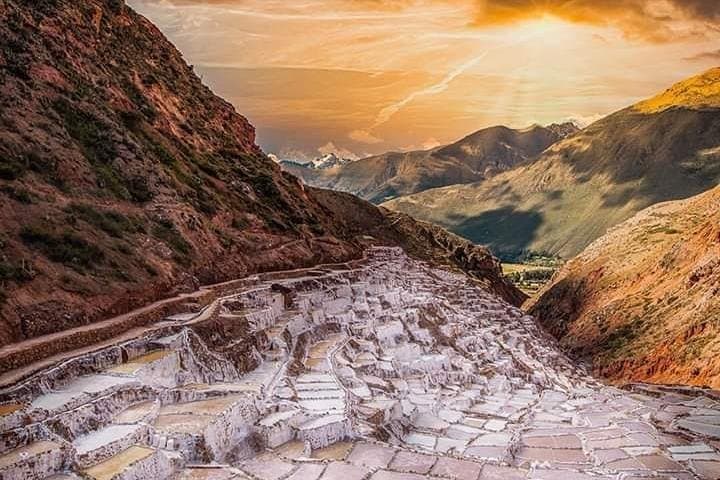
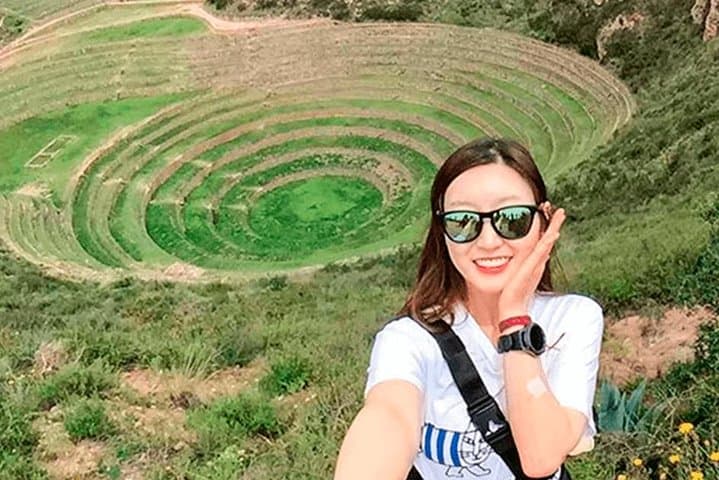
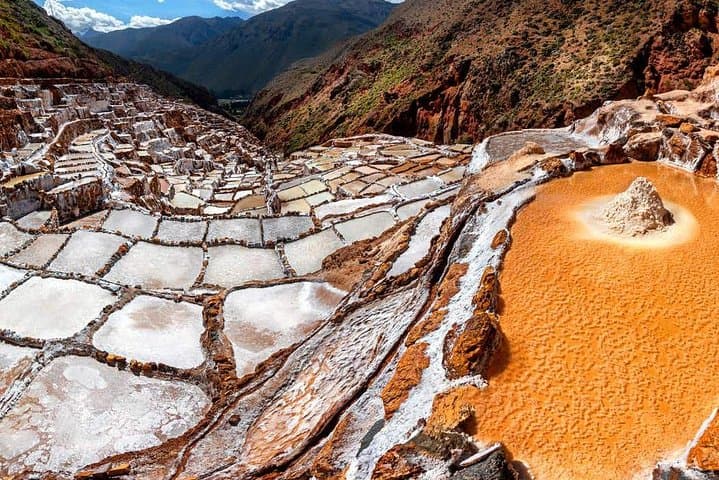
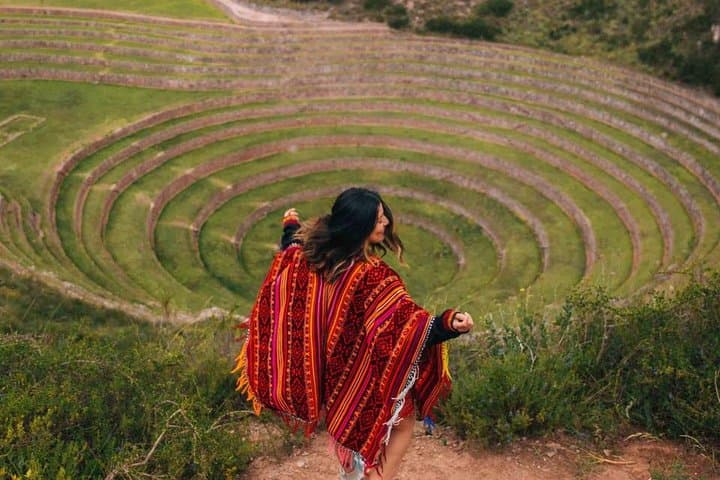
Travelers climb out of an air-conditioned van onto a high, wind-swept shelf of the Sacred Valley; the air is thin and the light is clear, throwing hard shadows across the salt ponds below. At Maras the mountainside has been cut into hundreds of shallow, jewel-like pans that catch sunlight and evaporating brine, while a short drive away Moray’s amphitheater of concentric terraces sinks into the earth like an agricultural caldera.
Travelers climb out of an air-conditioned van onto a high, wind-swept shelf of the Sacred Valley; the air is thin and the light is clear, throwing hard shadows across the salt ponds below. At Maras the mountainside has been cut into hundreds of shallow, jewel-like pans that catch sunlight and evaporating brine, while a short drive away Moray’s amphitheater of concentric terraces sinks into the earth like an agricultural caldera.
Both sites speak to pre-Columbian ingenuity. Maras’ salt pans have been managed since before the Incas, fed by a naturally saline spring and tended with channels and hand tools unchanged for centuries. Moray, by contrast, reads like a laboratory — circular terraces descend in rings, creating measurable shifts in temperature and humidity that scholars believe were used to test crop acclimatization.
Culture and geology meet here: volcanic soils and high-altitude microclimates shaped Incan experimentation, and local Quechua communities still steward the land and sell hand-harvested salt and textiles at small markets. Expect short walks on uneven stone and earth, open exposure to sun and wind, and excellent photo vantage points from simple footpaths.
Practical guidance: this is a guided, half-day excursion from Cusco with hotel pickup; wear sturdy shoes, bring plenty of water and sun protection, and pace yourself for altitude. Entrance fees may vary — carry local currency. Plan morning departures to avoid afternoon clouds and to get the best light on the salt pans.