THE ADVENTURE COLLECTIVE® · Independent discovery and booking for outdoor travel

Feel the Andes under ATV tires on a half-day run from Cusco to Moray and the Maras salt pans. This practical guide outlines what to expect—terrain, altitude, logistics—and how to prepare for a safe, memorable ride.
Feel the Andes under ATV tires on a half-day run from Cusco to Moray and the Maras salt pans. This practical guide outlines what to expect—terrain, altitude, logistics—and how to prepare for a safe, memorable ride.
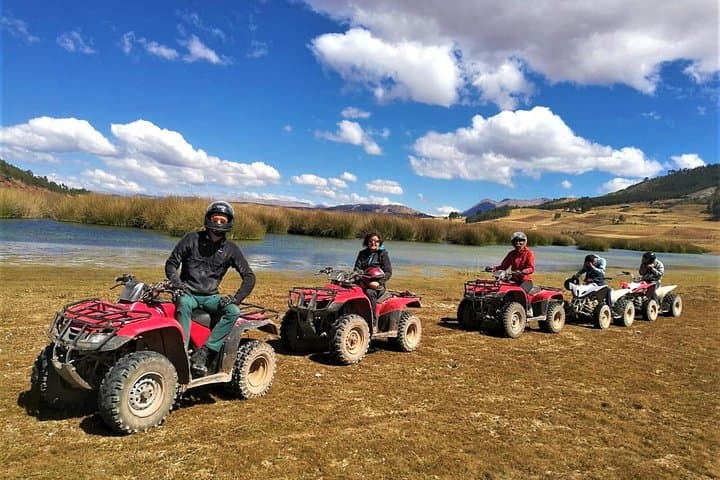
Dust rises behind you as the quad bites into high-Andean dirt; the air is thin, sharp, and cold enough to make each inhale feel like work. This half-day ATV route leaves Cusco and climbs through scrub and terraced fields, then opens onto the craggy bowl of Moray and the geometric terraces of the Maras salt pans. The machines hum, the Andes push around you, and the landscape seems to lean in with curiosity.
Verified experiences and guided adventures in the surrounding area.
Operated by Ritisuyo · Maras, Cusco
Dust rises behind you as the quad bites into high-Andean dirt; the air is thin, sharp, and cold enough to make each inhale feel like work. This half-day ATV route leaves Cusco and climbs through scrub and terraced fields, then opens onto the craggy bowl of Moray and the geometric terraces of the Maras salt pans. The machines hum, the Andes push around you, and the landscape seems to lean in with curiosity.
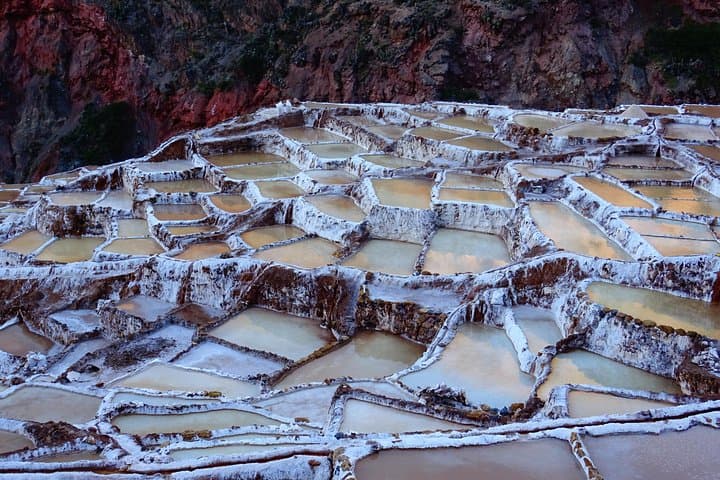
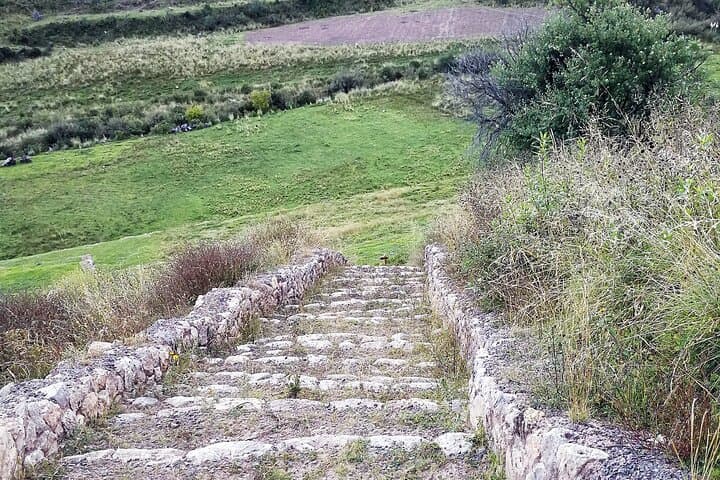
The route threads through Inca farmland shaped by millennia of agriculture—Moray’s concentric terraces are an experimental laboratory of pre-Columbian engineering, while the Salineras (salt pans) trace communal production methods still active today. Geology here is visible in hard, folded rock and the salty runoff that carves a checkerboard of shallow pools on a sunny slope. Local Quechua communities maintain both fields and the salt pans; you'll see traditional stone walls, llamas, and labor rhythms that persist.
Practical notes: expect a 6–7 hour outing with roughly 30 minutes of on-site training before you drive. Terrain is mixed: hard-packed dirt, gravel tracks, short steep pitches and exposed sections near terraces. Altitude reaches roughly 3,300–3,600 m, so hydrate and move deliberately. Wear closed-toe shoes, layers for wind and sun, and gloves for throttle control. Guides handle navigation and most logistics; listen to briefings and keep a safe speed near terraces and pedestrians.
Timing: morning departures give crisper light; afternoon runs can be warmer but dustier. Respect local workers and stay on designated tracks to protect fragile salt infrastructure.
moderate.
6–7 hours.
Moderate fitness; be comfortable sitting on an ATV for several hours and negotiating bumps at altitude. Allow extra rest if you have breathing or cardiovascular issues.
The excursion is about 6–7 hours with morning and afternoon departures; you’ll typically spend ~30 minutes on ATV practice, then ride to Moray and the Maras salt pans before returning to Cusco.
No—brief on-site instruction is included, but riders should be comfortable on a single-rider vehicle and follow the guide’s speed limits.
Yes—sites reach roughly 3,300–3,600 m. Allow time in Cusco to acclimatize and avoid heavy exertion if you experience severe symptoms; the tour is not recommended for those with serious heart or spinal conditions.
Guides and private transport are included; bring layers, closed-toe shoes, sunglasses/goggles, sunscreen, and any personal medications. Confirm helmet and protective gear with the operator.
Moray’s terraced depressions were likely used by the Incas for agricultural experimentation—each terrace has its own microclimate for trying different crops.
The Salineras rely on delicate water channels and communal management; staying on marked paths and avoiding litter helps preserve both production and fragile soil.
Ritisuyo operates guided outdoor trips and adventures with an emphasis on safety, stewardship, and memorable experiences.
Dust rises behind you as the quad bites into high-Andean dirt; the air is thin, sharp, and cold enough to make each inhale feel like work. This half-day ATV route leaves Cusco and climbs through scrub and terraced fields, then opens onto the craggy bowl of Moray and the geometric terraces of the Maras salt pans. The machines hum, the Andes push around you, and the landscape seems to lean in with curiosity.
Dust rises behind you as the quad bites into high-Andean dirt; the air is thin, sharp, and cold enough to make each inhale feel like work. This half-day ATV route leaves Cusco and climbs through scrub and terraced fields, then opens onto the craggy bowl of Moray and the geometric terraces of the Maras salt pans. The machines hum, the Andes push around you, and the landscape seems to lean in with curiosity.
The route threads through Inca farmland shaped by millennia of agriculture—Moray’s concentric terraces are an experimental laboratory of pre-Columbian engineering, while the Salineras (salt pans) trace communal production methods still active today. Geology here is visible in hard, folded rock and the salty runoff that carves a checkerboard of shallow pools on a sunny slope. Local Quechua communities maintain both fields and the salt pans; you'll see traditional stone walls, llamas, and labor rhythms that persist.
Practical notes: expect a 6–7 hour outing with roughly 30 minutes of on-site training before you drive. Terrain is mixed: hard-packed dirt, gravel tracks, short steep pitches and exposed sections near terraces. Altitude reaches roughly 3,300–3,600 m, so hydrate and move deliberately. Wear closed-toe shoes, layers for wind and sun, and gloves for throttle control. Guides handle navigation and most logistics; listen to briefings and keep a safe speed near terraces and pedestrians.
Timing: morning departures give crisper light; afternoon runs can be warmer but dustier. Respect local workers and stay on designated tracks to protect fragile salt infrastructure.