THE ADVENTURE COLLECTIVE® · Independent discovery and booking for outdoor travel

See Madeira’s highland highlights in a half-day loop from Funchal: panoramic viewpoints at Pico dos Barcelos, the dramatic bowl of Curral das Freiras, the ridge-top Eira do Serrado and historic Monte. Ideal for travelers wanting a concise, accessible introduction to the island.
See Madeira’s highland highlights in a half-day loop from Funchal: panoramic viewpoints at Pico dos Barcelos, the dramatic bowl of Curral das Freiras, the ridge-top Eira do Serrado and historic Monte. Ideal for travelers wanting a concise, accessible introduction to the island.
You step out of your Funchal hotel into the cool Atlantic air and slide into an air-conditioned minivan with seven other travelers — the island’s steep ridgelines already visible through the windshield. Within minutes the city drops away and terraces, laurisilva forest edges and basalt peaks rise into view as the guide points out the first stop: Pico dos Barcelos, a low hill that opens to a wide sweep over Funchal bay.
Verified experiences and guided adventures in the surrounding area.
Operated by BeDriven · Funchal, Madeira
You step out of your Funchal hotel into the cool Atlantic air and slide into an air-conditioned minivan with seven other travelers — the island’s steep ridgelines already visible through the windshield. Within minutes the city drops away and terraces, laurisilva forest edges and basalt peaks rise into view as the guide points out the first stop: Pico dos Barcelos, a low hill that opens to a wide sweep over Funchal bay.
Geology here is recent and volcanic; valleys like Curral das Freiras were carved by ancient lava flows and later into dramatic bowl-shaped depressions. Eira do Serrado sits above one of those hollows, a viewpoint that reads like a map of Madeira’s uplifted flanks and deep ravines. Monte, higher and gentler, is threaded with historic gardens and a legacy of foreign visitors who made it a summer retreat in the 19th century.
Culture arrives in small things: a taste of bolo de caco and chestnut cake, a sip of Ginja liqueur, and the guide’s local stories about the island’s reliance on terraced farming and mountain streams. The pace is deliberate — short stops of 15–30 minutes to stretch legs, photograph views and learn the island’s human and geological backstory.
Practical guidance: bring a light jacket (conditions change with elevation), sturdy shoes for short walks at viewpoints, and a small camera. Expect minimal hiking, accessible transport, and opportunities to sample local food. The four-hour loop is ideal for travelers who want a compact, informative introduction to Madeira’s highland landscapes without committing to longer levada hikes.
easy.
4 hours.
Suitable for most fitness levels; requires basic mobility to step on/off the vehicle and short walks at viewpoints
The tour lasts approximately four hours with hotel pickup and drop-off in central Funchal.
Only brief walks and short stair sections at viewpoints; no long hikes are included.
The operator notes the tour can transport foldable strollers and wheelchairs and offers infant seats on request; confirm needs at booking.
There is a tasting of traditional chestnut cake and Ginja liqueur; additional food purchases are up to you.
Monte became a favored cool-weather retreat for 19th-century residents and European visitors; Curral das Freiras historically sheltered villagers cut off by mountain terrain.
Madeira manages heavy tourist use by promoting trail etiquette and protecting laurisilva forest; stick to viewpoints and support local products to reduce ecological impact.
BeDriven operates guided outdoor trips and adventures with an emphasis on safety, stewardship, and memorable experiences.

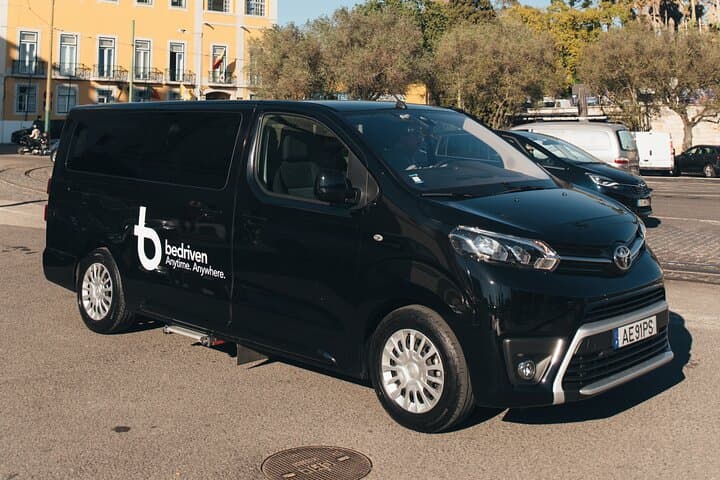
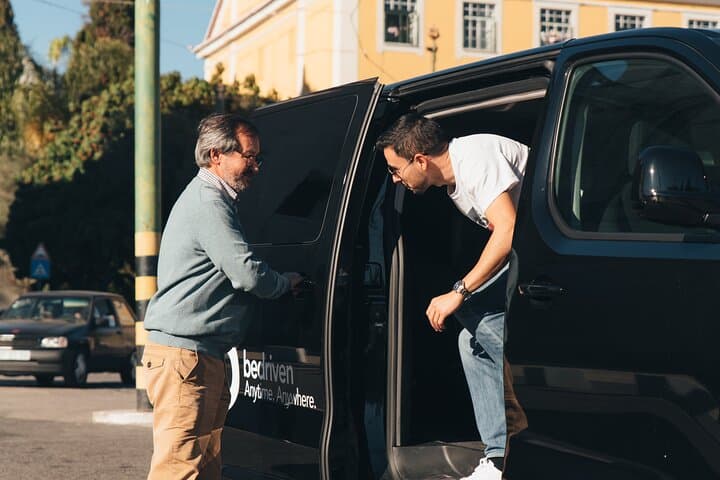

You step out of your Funchal hotel into the cool Atlantic air and slide into an air-conditioned minivan with seven other travelers — the island’s steep ridgelines already visible through the windshield. Within minutes the city drops away and terraces, laurisilva forest edges and basalt peaks rise into view as the guide points out the first stop: Pico dos Barcelos, a low hill that opens to a wide sweep over Funchal bay.
You step out of your Funchal hotel into the cool Atlantic air and slide into an air-conditioned minivan with seven other travelers — the island’s steep ridgelines already visible through the windshield. Within minutes the city drops away and terraces, laurisilva forest edges and basalt peaks rise into view as the guide points out the first stop: Pico dos Barcelos, a low hill that opens to a wide sweep over Funchal bay.
Geology here is recent and volcanic; valleys like Curral das Freiras were carved by ancient lava flows and later into dramatic bowl-shaped depressions. Eira do Serrado sits above one of those hollows, a viewpoint that reads like a map of Madeira’s uplifted flanks and deep ravines. Monte, higher and gentler, is threaded with historic gardens and a legacy of foreign visitors who made it a summer retreat in the 19th century.
Culture arrives in small things: a taste of bolo de caco and chestnut cake, a sip of Ginja liqueur, and the guide’s local stories about the island’s reliance on terraced farming and mountain streams. The pace is deliberate — short stops of 15–30 minutes to stretch legs, photograph views and learn the island’s human and geological backstory.
Practical guidance: bring a light jacket (conditions change with elevation), sturdy shoes for short walks at viewpoints, and a small camera. Expect minimal hiking, accessible transport, and opportunities to sample local food. The four-hour loop is ideal for travelers who want a compact, informative introduction to Madeira’s highland landscapes without committing to longer levada hikes.