THE ADVENTURE COLLECTIVE® · Independent discovery and booking for outdoor travel

Spend a focused half-day tracing Luxor’s story: curated artifacts at the Luxor Museum and the hands-on explanations of the Mummification Museum. This private tour includes hotel transfer, entry fees, and an informed guide to connect the displays with Theban life.
Spend a focused half-day tracing Luxor’s story: curated artifacts at the Luxor Museum and the hands-on explanations of the Mummification Museum. This private tour includes hotel transfer, entry fees, and an informed guide to connect the displays with Theban life.
You step onto Luxor’s corniche at midmorning; the Nile glints and seems to tug at the city, urging a closer look. The river’s current has guided civilizations here for millennia, and the museum galleries ahead hold the compact, precise stories of those lives—carved faces, funerary tools and animal mummies that survived desert time.
Verified experiences and guided adventures in the surrounding area.
Operated by Koki Egypt Travel · Luxor, Luxor Governorate
You step onto Luxor’s corniche at midmorning; the Nile glints and seems to tug at the city, urging a closer look. The river’s current has guided civilizations here for millennia, and the museum galleries ahead hold the compact, precise stories of those lives—carved faces, funerary tools and animal mummies that survived desert time.
Luxor, ancient Thebes, was Egypt’s religious heart for centuries. The Luxor Museum, opened in 1975, deliberately shows quality over quantity: well-spaced cases, clear labels and a focused selection from the New Kingdom that gives context to nearby temple sites. The Mummification Museum complements that narrative, laying out embalming tools, amulets and examples of non-human mummification—cats, crocodiles and birds—that speak to ritual and economy.
Geology and climate shape the experience: the Nile’s alluvial plain produces the light that floods museum windows; limestone blocks of temples are a short ride away on the west bank. Culturally, guides contextualize artifacts within daily life, death rites and modern Egyptian stewardship of antiquities.
Practicalities are straightforward: expect a roughly 6–7 hour private tour with hotel pickup and drop-off by A/C vehicle, and entrance fees are included for the stated stops. Wear comfortable walking shoes, a light layer for cooled galleries, and modest clothing for temple-adjacent visits. Carry water and a small camera—flash is often restricted. Mobility needs and certain health conditions are flagged by the operator; check accessibility in advance.
This half-day pairs focused museum time with the living pulse of Luxor’s riverfront—efficient, informative and grounded in place.
easy.
6–7 hours.
Suitable for most travelers with basic mobility; expect short walks and standing while viewing exhibits.
Yes—entry fees for the Luxor Museum and Mummification Museum are included as described; verify at booking for any optional sites or upgrades.
Pickup is typically around 10:00 AM and the tour runs about 6–7 hours including transfers and museum time.
The tour is family-friendly but not recommended for travelers with serious spinal or heart conditions; contact the operator about accessibility and infant seats if needed.
Photography is generally allowed without flash; follow posted rules and the guide’s directions to protect artifacts.
Luxor occupies the site of ancient Thebes, once Egypt’s religious capital; the Luxor Museum was established in 1975 to present a focused selection of the region’s artifacts.
Museums here prioritize artifact preservation and controlled displays; visitors help by not touching objects, minimizing flash photography and supporting guided, respectful tourism.
Koki Egypt Travel operates guided outdoor trips and adventures with an emphasis on safety, stewardship, and memorable experiences.
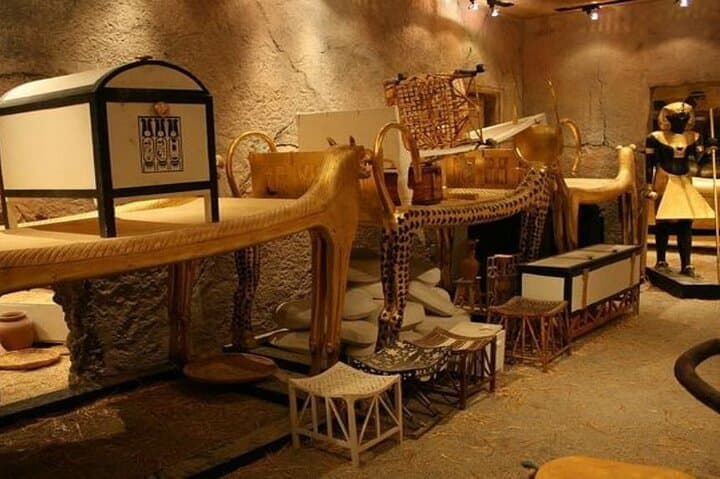
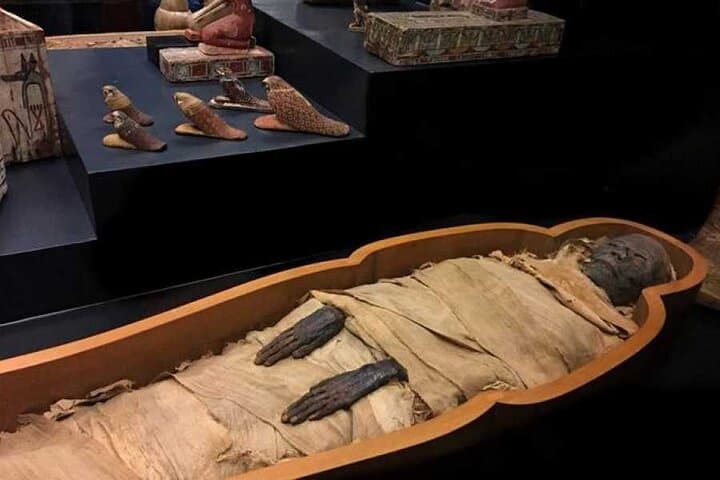
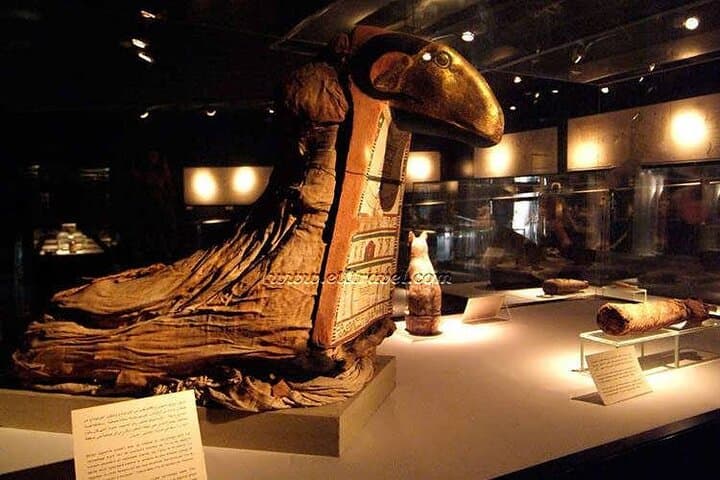
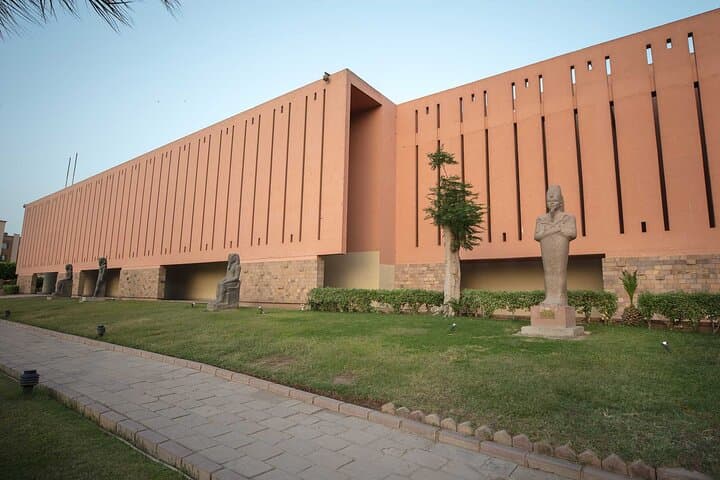
You step onto Luxor’s corniche at midmorning; the Nile glints and seems to tug at the city, urging a closer look. The river’s current has guided civilizations here for millennia, and the museum galleries ahead hold the compact, precise stories of those lives—carved faces, funerary tools and animal mummies that survived desert time.
You step onto Luxor’s corniche at midmorning; the Nile glints and seems to tug at the city, urging a closer look. The river’s current has guided civilizations here for millennia, and the museum galleries ahead hold the compact, precise stories of those lives—carved faces, funerary tools and animal mummies that survived desert time.
Luxor, ancient Thebes, was Egypt’s religious heart for centuries. The Luxor Museum, opened in 1975, deliberately shows quality over quantity: well-spaced cases, clear labels and a focused selection from the New Kingdom that gives context to nearby temple sites. The Mummification Museum complements that narrative, laying out embalming tools, amulets and examples of non-human mummification—cats, crocodiles and birds—that speak to ritual and economy.
Geology and climate shape the experience: the Nile’s alluvial plain produces the light that floods museum windows; limestone blocks of temples are a short ride away on the west bank. Culturally, guides contextualize artifacts within daily life, death rites and modern Egyptian stewardship of antiquities.
Practicalities are straightforward: expect a roughly 6–7 hour private tour with hotel pickup and drop-off by A/C vehicle, and entrance fees are included for the stated stops. Wear comfortable walking shoes, a light layer for cooled galleries, and modest clothing for temple-adjacent visits. Carry water and a small camera—flash is often restricted. Mobility needs and certain health conditions are flagged by the operator; check accessibility in advance.
This half-day pairs focused museum time with the living pulse of Luxor’s riverfront—efficient, informative and grounded in place.