THE ADVENTURE COLLECTIVE® · Independent discovery and booking for outdoor travel

Explore Karnak’s towering columns and Luxor Temple’s ceremonial halls, then unwind on a traditional felucca as the Nile pushes you along palm-lined banks. This private half‑day pairs expert guiding with comfortable transport for a concentrated cultural and riverside experience.
Explore Karnak’s towering columns and Luxor Temple’s ceremonial halls, then unwind on a traditional felucca as the Nile pushes you along palm-lined banks. This private half‑day pairs expert guiding with comfortable transport for a concentrated cultural and riverside experience.
You step out of an air‑conditioned vehicle into dry Nile air that tastes faintly of river mud and spices, the city pressing close with low buildings and date palms. Columns loom ahead—stone trunks shot through with hieroglyphs—and the Nile waits nearby, its surface catching a breeze that seems to dare you to slow down. This half‑day experience pairs two of Luxor’s most accessible ancient sites with a short, restorative felucca sail, giving a focused view into pharaonic ritual and everyday river life.
Verified experiences and guided adventures in the surrounding area.
Operated by Saray El-Nile · Luxor, Luxor Governorate
You step out of an air‑conditioned vehicle into dry Nile air that tastes faintly of river mud and spices, the city pressing close with low buildings and date palms. Columns loom ahead—stone trunks shot through with hieroglyphs—and the Nile waits nearby, its surface catching a breeze that seems to dare you to slow down. This half‑day experience pairs two of Luxor’s most accessible ancient sites with a short, restorative felucca sail, giving a focused view into pharaonic ritual and everyday river life.
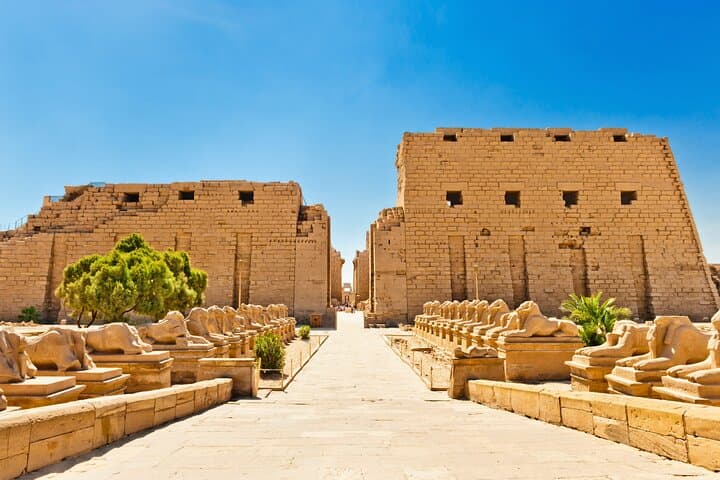
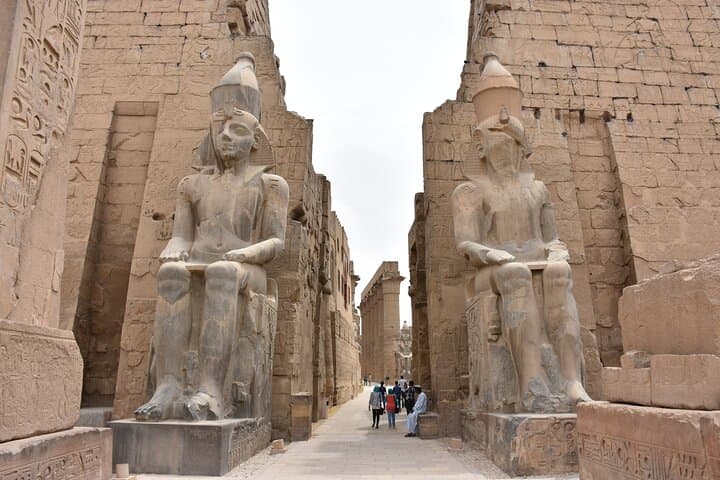
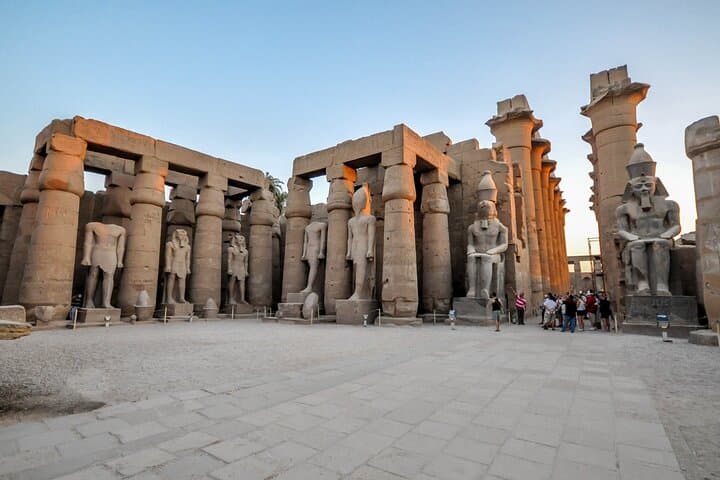
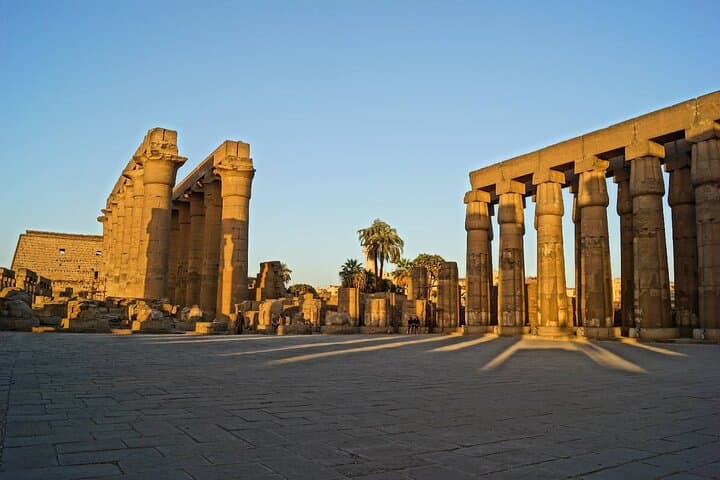
Karnak began as a cluster of shrines and grew across centuries into one of the largest temple complexes on Earth; its great hypostyle hall records pharaohs, campaigns, and priestly power in carved relief. Luxor Temple, built later on the east bank, hosted coronation ceremonies and festive processions along the avenue of sphinxes that once linked the two sites. The geology of the Nile Valley—soft sandstone capped by reworked river deposits—made carving possible here, while the river itself shaped settlement patterns and religious practice.
Culturally, expect accessible storytelling from an Egyptologist who connects inscriptions to daily beliefs; locally, vendors cluster near gates and small riverside cafés offer mint tea after the sail.
Practical guidance: wear sturdy walking shoes for uneven stone and occasional sand, carry water and sun protection, and plan for roughly 4–5 hours including transfers. Photography is generally allowed but follow signage in sanctuaries. The felucca adds low‑impact time on the water—the sail and a cool breeze are immediate rewards after temple corridors. Aim for morning or late afternoon light to avoid the hottest sun and to see hieroglyphs and reliefs with clearer contrast.
easy.
4–5 hours.
Suitable for most fitness levels; involves walking on uneven stone and short periods standing.
The total duration is about 4–5 hours (270 minutes), including hotel or cruise pickup and drop‑off and the felucca ride.
Admission to Karnak and Luxor Temples is included in this private tour, as noted in the itinerary details.
Yes—feluccas are low‑speed traditional sailboats; children should be supervised and wear life jackets if available.
Photography is generally allowed in open areas; avoid flash in sensitive chambers and follow signs or your guide’s instructions.
Karnak and Luxor span more than a millennium of construction, with successive pharaohs adding pylons, obelisks and sanctuaries that reflect shifting political and religious priorities.
Tour operators and guides encourage staying on marked paths and avoiding touching reliefs; minimizing plastic and using pre‑bottled water sparingly helps protect the sites and the Nile corridor.
Saray El-Nile operates guided outdoor trips and adventures with an emphasis on safety, stewardship, and memorable experiences.
You step out of an air‑conditioned vehicle into dry Nile air that tastes faintly of river mud and spices, the city pressing close with low buildings and date palms. Columns loom ahead—stone trunks shot through with hieroglyphs—and the Nile waits nearby, its surface catching a breeze that seems to dare you to slow down. This half‑day experience pairs two of Luxor’s most accessible ancient sites with a short, restorative felucca sail, giving a focused view into pharaonic ritual and everyday river life.
You step out of an air‑conditioned vehicle into dry Nile air that tastes faintly of river mud and spices, the city pressing close with low buildings and date palms. Columns loom ahead—stone trunks shot through with hieroglyphs—and the Nile waits nearby, its surface catching a breeze that seems to dare you to slow down. This half‑day experience pairs two of Luxor’s most accessible ancient sites with a short, restorative felucca sail, giving a focused view into pharaonic ritual and everyday river life.
Karnak began as a cluster of shrines and grew across centuries into one of the largest temple complexes on Earth; its great hypostyle hall records pharaohs, campaigns, and priestly power in carved relief. Luxor Temple, built later on the east bank, hosted coronation ceremonies and festive processions along the avenue of sphinxes that once linked the two sites. The geology of the Nile Valley—soft sandstone capped by reworked river deposits—made carving possible here, while the river itself shaped settlement patterns and religious practice.
Culturally, expect accessible storytelling from an Egyptologist who connects inscriptions to daily beliefs; locally, vendors cluster near gates and small riverside cafés offer mint tea after the sail.
Practical guidance: wear sturdy walking shoes for uneven stone and occasional sand, carry water and sun protection, and plan for roughly 4–5 hours including transfers. Photography is generally allowed but follow signage in sanctuaries. The felucca adds low‑impact time on the water—the sail and a cool breeze are immediate rewards after temple corridors. Aim for morning or late afternoon light to avoid the hottest sun and to see hieroglyphs and reliefs with clearer contrast.