THE ADVENTURE COLLECTIVE® · Independent discovery and booking for outdoor travel

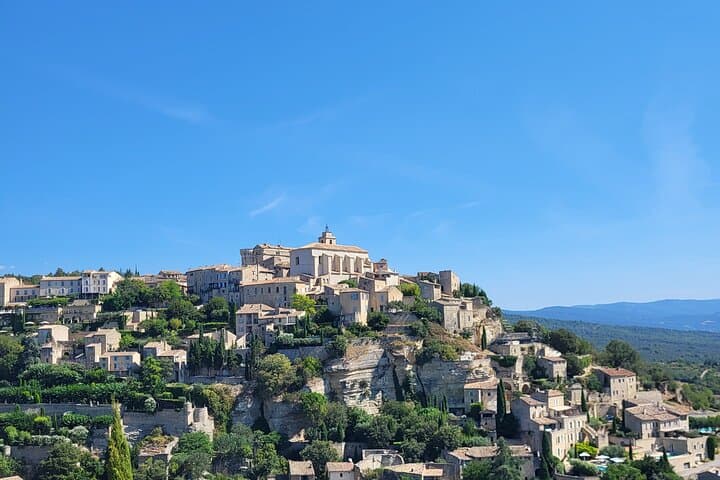
Spend a half-day exploring the Luberon’s highest viewpoints and colorful perched villages. This guided route highlights Abbaye de Sénanque, Fontaine-de-Vaucluse, Gordes, and Roussillon with photo stops and local insights.
Spend a half-day exploring the Luberon’s highest viewpoints and colorful perched villages. This guided route highlights Abbaye de Sénanque, Fontaine-de-Vaucluse, Gordes, and Roussillon with photo stops and local insights.
A lavender-scented morning opens as your van eases onto the D17, sunlight carving layers into the dry-stone roofs of Gordes. Vine-dotted slopes and ochre cliffs slip by; the countryside feels alert, as if every field is waiting to present a perfect frame. The tour moves with a photographer’s rhythm—brief stops, wide views, and time to catch a light that changes by the minute.
Verified experiences and guided adventures in the surrounding area.
Operated by Provence with Gordana · Gordes, Provence-Alpes-Côte d'Azur
A lavender-scented morning opens as your van eases onto the D17, sunlight carving layers into the dry-stone roofs of Gordes. Vine-dotted slopes and ochre cliffs slip by; the countryside feels alert, as if every field is waiting to present a perfect frame. The tour moves with a photographer’s rhythm—brief stops, wide views, and time to catch a light that changes by the minute.
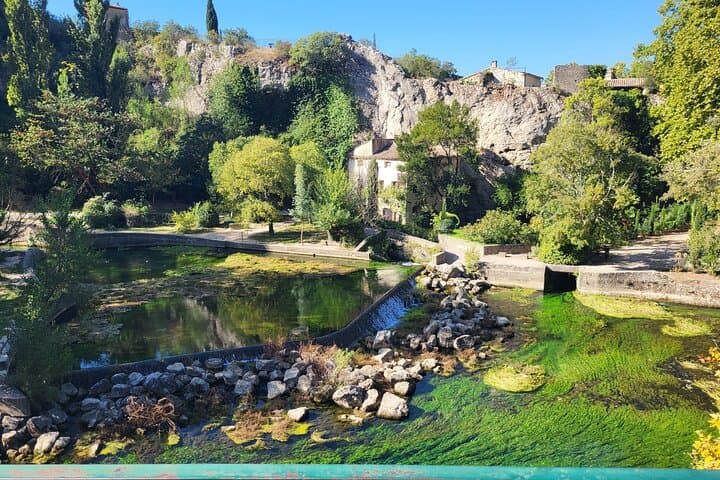
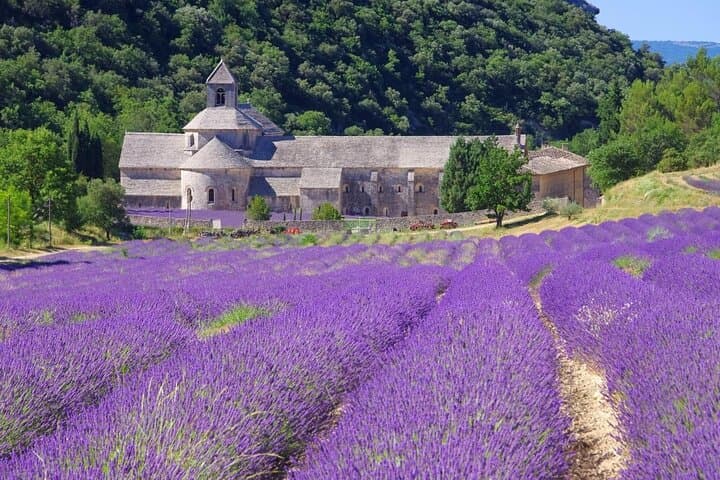
The Luberon is a geological jigsaw of limestone plateaus and eroded ochres. Roman roads once threaded these hills; medieval villages climbed the rock for defense, their stairways and narrow lanes still directing the flow of walkers and market stalls. Sénanque Abbey sits in a hollow where a spring-fed valley keeps its monks cool; Fontaine-de-Vaucluse, fed by subterranean karst springs, pushes emerald water through a narrow gorge and demands attention.
Expect a cultural mix—market mornings in Gordes or Roussillon, artisanal shops selling ochre pigments and goat cheese, and farmers tending lavender (in bloom late June–July). Time is tight on a half-day: photographers get specific vantage points for the abbey and panoramic overlooks, and there’s a lunch stop in Roussillon if the schedule allows.
Practicalities: bring a mid-range zoom and polarizer, sun protection, and sturdy walking shoes for cobbled lanes. The route is accessible to most fitness levels, but be prepared for short climbs and uneven paving in villages. Peak summer is hot and crowded—early-season or late-afternoon light is kinder. Travel from Avignon or nearby hill towns; the tour generally runs in an air-conditioned minivan and returns to the departure point.
easy.
5 hours.
Suitable for most fitness levels; expect short walks on uneven village streets and one or two short climbs.
The half-day tour runs about 5 hours and typically departs from in front of the Avignon tourist office, returning there at the end.
The itinerary includes a stop at Sénanque for photos and a short visit; admission may be required for interior access depending on the Abbey’s schedule.
Lavender stops are seasonal—usually late June through July during peak bloom; the guide adjusts stops based on bloom timing.
Yes—logistics note stroller accessibility and infant seats are available, but expect cobbled streets where a carrier may be easier.
Perched villages grew up in medieval times for defense; ochre mining shaped Roussillon’s colors and local crafts for centuries.
Tourism is concentrated; stick to paths, avoid trampling lavender, and support local markets to contribute to sustainable village economies.
Provence with Gordana operates guided outdoor trips and adventures with an emphasis on safety, stewardship, and memorable experiences.
A lavender-scented morning opens as your van eases onto the D17, sunlight carving layers into the dry-stone roofs of Gordes. Vine-dotted slopes and ochre cliffs slip by; the countryside feels alert, as if every field is waiting to present a perfect frame. The tour moves with a photographer’s rhythm—brief stops, wide views, and time to catch a light that changes by the minute.
A lavender-scented morning opens as your van eases onto the D17, sunlight carving layers into the dry-stone roofs of Gordes. Vine-dotted slopes and ochre cliffs slip by; the countryside feels alert, as if every field is waiting to present a perfect frame. The tour moves with a photographer’s rhythm—brief stops, wide views, and time to catch a light that changes by the minute.
The Luberon is a geological jigsaw of limestone plateaus and eroded ochres. Roman roads once threaded these hills; medieval villages climbed the rock for defense, their stairways and narrow lanes still directing the flow of walkers and market stalls. Sénanque Abbey sits in a hollow where a spring-fed valley keeps its monks cool; Fontaine-de-Vaucluse, fed by subterranean karst springs, pushes emerald water through a narrow gorge and demands attention.
Expect a cultural mix—market mornings in Gordes or Roussillon, artisanal shops selling ochre pigments and goat cheese, and farmers tending lavender (in bloom late June–July). Time is tight on a half-day: photographers get specific vantage points for the abbey and panoramic overlooks, and there’s a lunch stop in Roussillon if the schedule allows.
Practicalities: bring a mid-range zoom and polarizer, sun protection, and sturdy walking shoes for cobbled lanes. The route is accessible to most fitness levels, but be prepared for short climbs and uneven paving in villages. Peak summer is hot and crowded—early-season or late-afternoon light is kinder. Travel from Avignon or nearby hill towns; the tour generally runs in an air-conditioned minivan and returns to the departure point.