THE ADVENTURE COLLECTIVE® · Independent discovery and booking for outdoor travel

Experience the slot-canyon light of Lower Antelope Canyon and the dramatic sweep of Horseshoe Bend in one focused half-day from Page, Arizona. Learn Navajo history while navigating narrow sandstone corridors and a short desert hike to a cliff-top river overlook.
Experience the slot-canyon light of Lower Antelope Canyon and the dramatic sweep of Horseshoe Bend in one focused half-day from Page, Arizona. Learn Navajo history while navigating narrow sandstone corridors and a short desert hike to a cliff-top river overlook.
You step off a sun-baked parking lot and into a hush: stone walls narrow, light slices down in golden shafts, and granulated sand softens your footing. Lower Antelope Canyon’s carved passages funnel the sky into tight beams that move with the sun, while a short drive later Horseshoe Bend opens to a raw, vertiginous sweep of the Colorado River daring you to peer over the rim.
Verified experiences and guided adventures in the surrounding area.
Operated by VIPTOUR · Page, Arizona
You step off a sun-baked parking lot and into a hush: stone walls narrow, light slices down in golden shafts, and granulated sand softens your footing. Lower Antelope Canyon’s carved passages funnel the sky into tight beams that move with the sun, while a short drive later Horseshoe Bend opens to a raw, vertiginous sweep of the Colorado River daring you to peer over the rim.
Geology here is vivid and recent on a geological timescale: Navajo Sandstone shaped by millennia of wind and sudden flash floods, the slot canyons are living scars that reveal layers of sediment and the erosive patience of water. The area sits on Navajo Nation land; tours are run under tribal stewardship and include cultural context about the people who have long called this landscape home.
Practical guide: expect a 90–120 minute guided walk through Lower Antelope Canyon that covers tight passages, short stairs, and sandy footing—camera-ready but physically uneven. Horseshoe Bend is roughly a 1.5-mile round trip on exposed desert trail to a 1,000-foot-ish cliff-top overlook; bring shade and steady footing. Weather matters: slot canyons close in heavy rain due to flash-flood risk, and summer heat can spike quickly.
Timing is everything for photography—midday produces the slot’s famous light beams, early morning or late afternoon offers cooler hikes at the bend. Obey Navajo guide directions, pack water, wear grippy shoes, and leave tripods behind if the operator forbids them. This combo delivers both intimate canyon light and a grand river panorama in a compact, easy-access half day.
easy.
2–4 hours.
Lightly active: able to walk on uneven ground and climb short stair sections; not suitable for those with serious mobility issues.
The operator schedules about 4 hours total—which includes guided time in Lower Antelope Canyon and the walk to Horseshoe Bend plus transit from the meeting point in Page.
Most Lower Antelope Canyon operators prohibit tripods and monopods to keep passages clear and safe; confirm with your booking and bring a fast phone/camera instead.
The canyon section includes narrow passages and stairs; Horseshoe Bend has a dirt trail with a cliff-edge overlook—it's generally suitable for children but not recommended for those with serious mobility or spinal issues.
Slot canyons are closed during flash-flood risk; tours may be canceled for safety and refunds depend on the operator’s policy—check weather alerts before your tour.
The slot canyons cut through Navajo Sandstone on land managed by the Navajo Nation; guided tours often include cultural commentary about ancestral ties to the landscape.
Stay on designated paths, avoid touching canyon walls (which oils your skin can darken), and pack out all trash—trampling and graffiti are persistent threats to these fragile formations.
VIPTOUR operates guided outdoor trips and adventures with an emphasis on safety, stewardship, and memorable experiences.
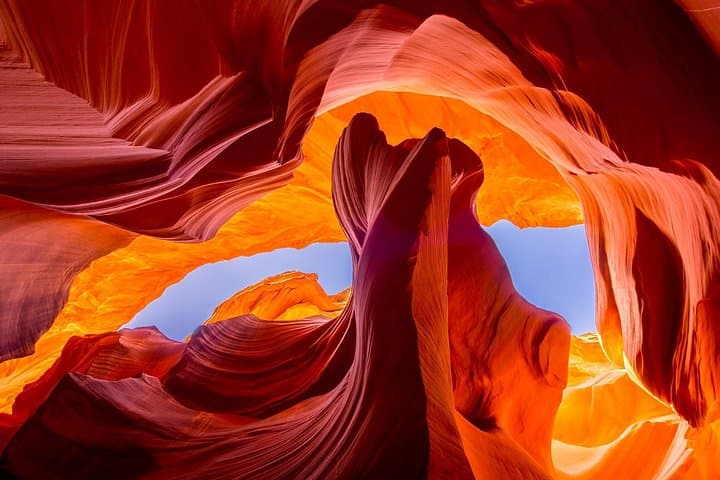
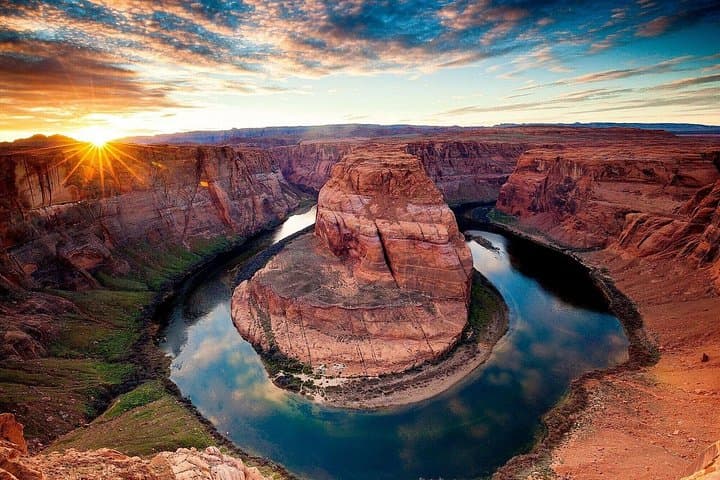
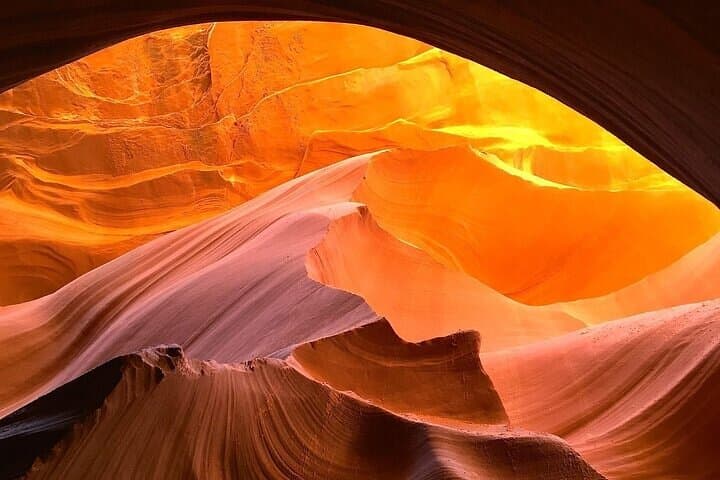
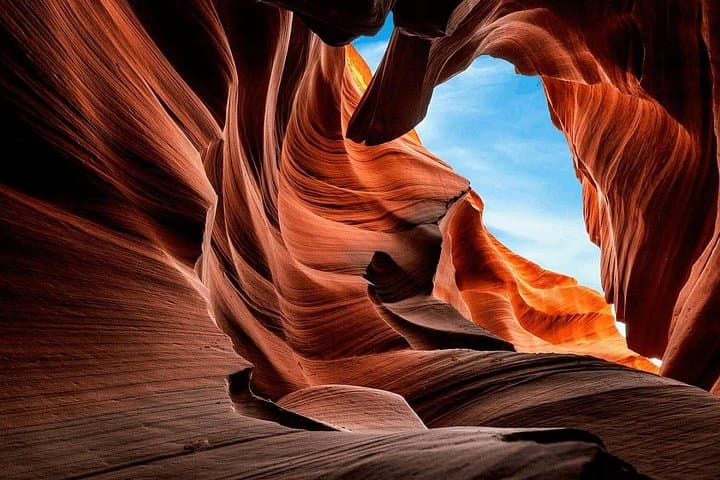
You step off a sun-baked parking lot and into a hush: stone walls narrow, light slices down in golden shafts, and granulated sand softens your footing. Lower Antelope Canyon’s carved passages funnel the sky into tight beams that move with the sun, while a short drive later Horseshoe Bend opens to a raw, vertiginous sweep of the Colorado River daring you to peer over the rim.
You step off a sun-baked parking lot and into a hush: stone walls narrow, light slices down in golden shafts, and granulated sand softens your footing. Lower Antelope Canyon’s carved passages funnel the sky into tight beams that move with the sun, while a short drive later Horseshoe Bend opens to a raw, vertiginous sweep of the Colorado River daring you to peer over the rim.
Geology here is vivid and recent on a geological timescale: Navajo Sandstone shaped by millennia of wind and sudden flash floods, the slot canyons are living scars that reveal layers of sediment and the erosive patience of water. The area sits on Navajo Nation land; tours are run under tribal stewardship and include cultural context about the people who have long called this landscape home.
Practical guide: expect a 90–120 minute guided walk through Lower Antelope Canyon that covers tight passages, short stairs, and sandy footing—camera-ready but physically uneven. Horseshoe Bend is roughly a 1.5-mile round trip on exposed desert trail to a 1,000-foot-ish cliff-top overlook; bring shade and steady footing. Weather matters: slot canyons close in heavy rain due to flash-flood risk, and summer heat can spike quickly.
Timing is everything for photography—midday produces the slot’s famous light beams, early morning or late afternoon offers cooler hikes at the bend. Obey Navajo guide directions, pack water, wear grippy shoes, and leave tripods behind if the operator forbids them. This combo delivers both intimate canyon light and a grand river panorama in a compact, easy-access half day.