THE ADVENTURE COLLECTIVE® · Independent discovery and booking for outdoor travel

Spend a half day from Avignon among Provence’s lavender fields—visit Sault or the Luberon, see distillation, and photograph rolling purple rows and the Abbaye de Sénanque. Practical tips on timing, footwear, and what to expect on this easy guided excursion.
Spend a half day from Avignon among Provence’s lavender fields—visit Sault or the Luberon, see distillation, and photograph rolling purple rows and the Abbaye de Sénanque. Practical tips on timing, footwear, and what to expect on this easy guided excursion.
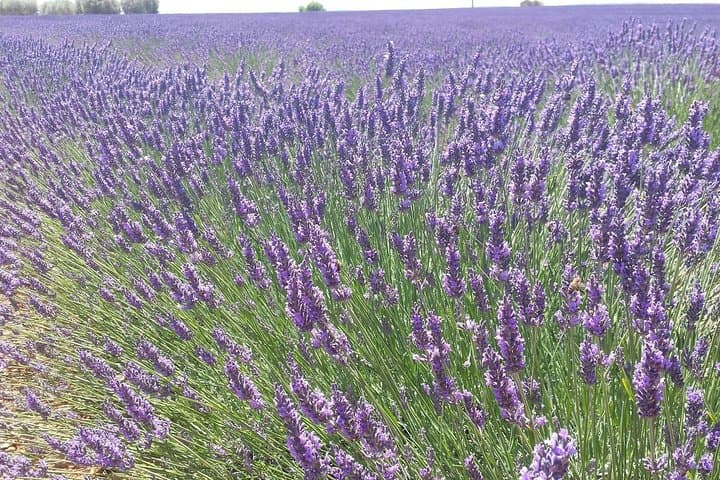
You step out of the minivan and the air changes—thin stalks of lavender tilt and scent the breeze, filling the valley with a clear, herbal sweetness that insists you slow down.
Verified experiences and guided adventures in the surrounding area.
Operated by Time 4 Provence.H · Avignon, Vaucluse
You step out of the minivan and the air changes—thin stalks of lavender tilt and scent the breeze, filling the valley with a clear, herbal sweetness that insists you slow down.
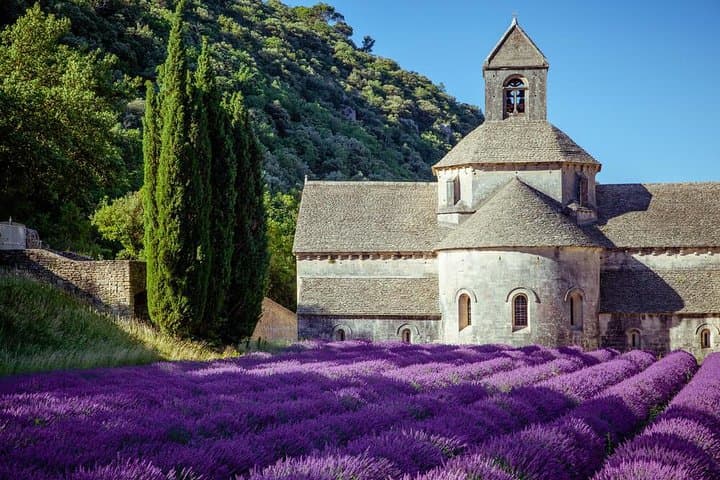
This half-day outing from Avignon threads through Provence’s patchwork of golden wheat, ochre stone villages and purple rows. Depending on the season the route heads to Sault—often called the French capital of lavender—for a distillery visit and an introduction to essential oil production, or into the Luberon with photo stops in Gordes and the 12th-century Abbaye de Sénanque, where monks turned the valley’s soils into lavender terraces.
Geology here is limestone and clay; shallow soils heat quickly and concentrate fragrance in the blooms. Culture is agricultural and artisanal: family-run farms, seasonal distillation, and small producers selling sachets and hydrosols at roadside stands. The tour’s pace is gentle—many short stops for photos and a guided walkthrough of a field and, when available, a distillery demonstration.
Practical guide: bring sunscreen and a brimmed hat—the exposed fields offer little shade. Wear sturdy walking shoes for uneven farm tracks; some paths are dusty or rutted after tractor traffic. Carry a refillable water bottle and a small camera; early morning light and late-afternoon shadows make the strongest photos. If you want lavender products, buy at the distillery to support local producers. Expect spring and early summer for leafy growth and mid-to-late June through July for peak bloom, varying with altitude and rainfall.
easy.
5 hours.
Suitable for most fitness levels; involves short walks on uneven farm tracks and standing during photo stops
Bloom typically peaks late June through July, but timing shifts with altitude and rainfall—Sault often blooms slightly later than lower Luberon fields.
Most itineraries include a stop at a distillery for a demonstration and explanation, but purchases such as lavender ice cream are usually extra.
Yes—this tour is described as physically easy and many farms are accessible to strollers, though some field paths may be bumpy.
No—picking is discouraged; stay on paths and purchase products from the farm or distillery to support local growers.
Lavender has been cultivated in Provence for centuries; the Abbaye de Sénanque (12th century) exemplifies Cistercian agricultural use of valley terraces.
Tourism pressures spike during bloom—stay on trails, avoid picking, and buy local products to support sustainable farming and distillation practices.
Time 4 Provence.H operates guided outdoor trips and adventures with an emphasis on safety, stewardship, and memorable experiences.
You step out of the minivan and the air changes—thin stalks of lavender tilt and scent the breeze, filling the valley with a clear, herbal sweetness that insists you slow down.
You step out of the minivan and the air changes—thin stalks of lavender tilt and scent the breeze, filling the valley with a clear, herbal sweetness that insists you slow down.
This half-day outing from Avignon threads through Provence’s patchwork of golden wheat, ochre stone villages and purple rows. Depending on the season the route heads to Sault—often called the French capital of lavender—for a distillery visit and an introduction to essential oil production, or into the Luberon with photo stops in Gordes and the 12th-century Abbaye de Sénanque, where monks turned the valley’s soils into lavender terraces.
Geology here is limestone and clay; shallow soils heat quickly and concentrate fragrance in the blooms. Culture is agricultural and artisanal: family-run farms, seasonal distillation, and small producers selling sachets and hydrosols at roadside stands. The tour’s pace is gentle—many short stops for photos and a guided walkthrough of a field and, when available, a distillery demonstration.
Practical guide: bring sunscreen and a brimmed hat—the exposed fields offer little shade. Wear sturdy walking shoes for uneven farm tracks; some paths are dusty or rutted after tractor traffic. Carry a refillable water bottle and a small camera; early morning light and late-afternoon shadows make the strongest photos. If you want lavender products, buy at the distillery to support local producers. Expect spring and early summer for leafy growth and mid-to-late June through July for peak bloom, varying with altitude and rainfall.