THE ADVENTURE COLLECTIVE® · Independent discovery and booking for outdoor travel

Discover La Paz in four hours: eroded lunar ridges, skyborne cable cars, the Witches' Market, and the colonial heart. This private half-day tour pairs quick logistics with high-altitude sights—perfect if you want a focused orientation to the city.
Discover La Paz in four hours: eroded lunar ridges, skyborne cable cars, the Witches' Market, and the colonial heart. This private half-day tour pairs quick logistics with high-altitude sights—perfect if you want a focused orientation to the city.
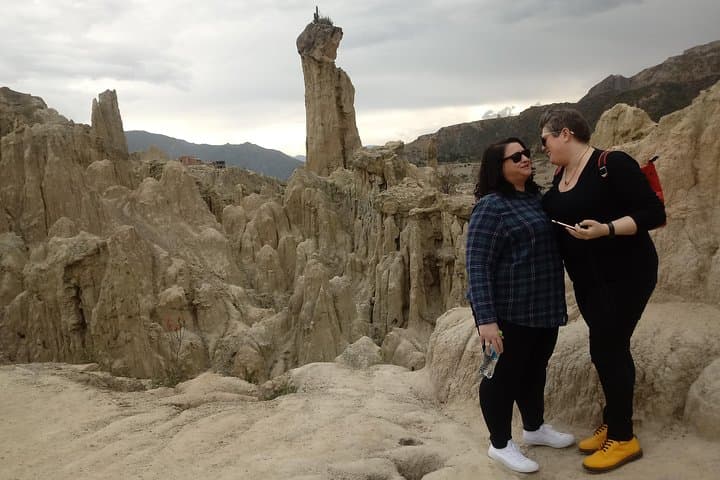
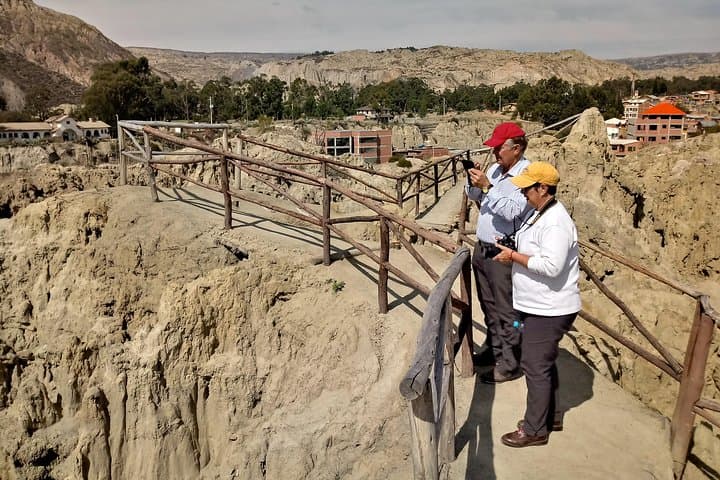
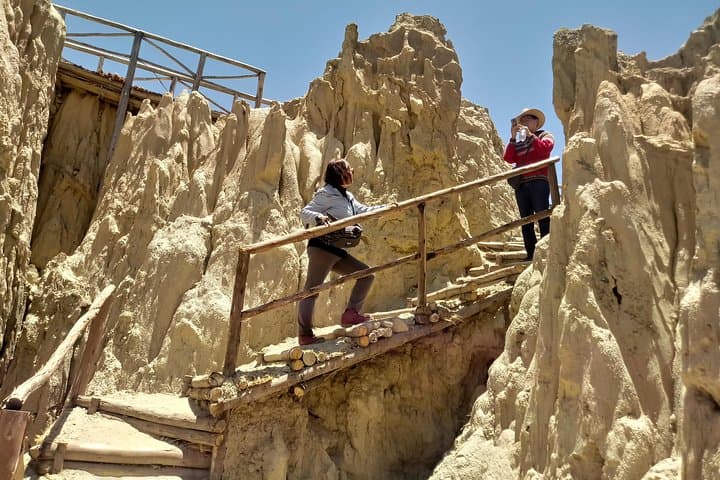
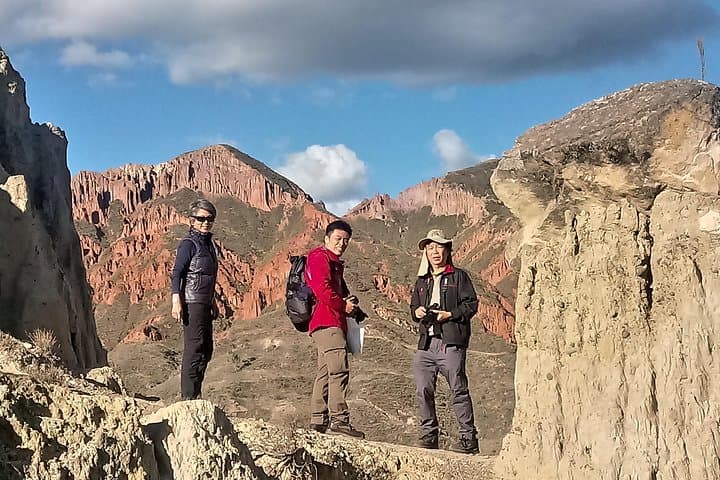
You step out into thin air and the city opens in tiers—rooftops stacked against the mountains, the cable cars threading between neighborhoods like bright punctuation. This half-day tour moves fast: a drive through the modern South Zone, a stop at Valle de la Luna’s eroded clay spires, a cable-car ride on Mi Teleférico, a walk through the Witches' Market, and a finish in La Paz’s colonial core around Plaza Murillo.
Verified experiences and guided adventures in the surrounding area.
Operated by VALLANDES BOLIVIA · La Paz, La Paz
You step out into thin air and the city opens in tiers—rooftops stacked against the mountains, the cable cars threading between neighborhoods like bright punctuation. This half-day tour moves fast: a drive through the modern South Zone, a stop at Valle de la Luna’s eroded clay spires, a cable-car ride on Mi Teleférico, a walk through the Witches' Market, and a finish in La Paz’s colonial core around Plaza Murillo.
La Paz sits on an Altiplano shaped by Andean uplift and glacial action; the Moon Valley is a visible page in that story, where soft sediment and water carved spines and gullies. The city’s layout reflects layered history—Aymara and Quechua traditions, Spanish colonial plazas, and recent urban expansion linked by the city’s public cable system.
Expect sensory contrasts: the parched, wind-sculpted gullies of Moon Valley daring you to climb a short viewpoint; colorful market stalls selling coca leaves, alpaca textiles, and dried herbs; teleférico cabins offering quick orientation to elevation changes. Local guides explain cultural meaning behind market offerings and point out colonial façades and municipal plazas.
Practical guidance: this is a walking-heavy urban tour at roughly 3,000–4,000 m elevation—pack layers, sunscreen, and time to acclimatize. The pace is moderate; cobbled streets and uneven surfaces are common. Bring small change for market purchases and tips for your bilingual guide. The operator provides private transport and hotel pickup from central La Paz; plan at least four hours and factor in extra time if you have acute altitude sensitivity.
easy.
4 hours.
Suitable for most fitness levels; requires comfortable walking for short stretches and ability to handle high altitude.
Pickup is provided from central La Paz hotels; confirm your hotel name and pickup details with the operator when booking.
Some sites like Valle de la Luna and cable car rides may have nominal fees—the itinerary indicates admissions are included for Moon Valley and the teleférico stop, but carry small cash just in case.
Yes—physical demands are low, but anyone with altitude sensitivity, respiratory or cardiac conditions should consult a doctor before participating.
Yes; artisanal stalls and market vendors often expect polite haggling. Use bolivianos and small notes for easier transactions.
La Paz grew from indigenous Aymara settlements and expanded under Spanish colonial administration; Plaza Murillo marks the political and historical heart of that transition.
High‑altitude soils and fragile clay formations in Moon Valley erode easily—stay on designated paths and support local businesses that follow sustainable practices.
VALLANDES BOLIVIA operates guided outdoor trips and adventures with an emphasis on safety, stewardship, and memorable experiences.
You step out into thin air and the city opens in tiers—rooftops stacked against the mountains, the cable cars threading between neighborhoods like bright punctuation. This half-day tour moves fast: a drive through the modern South Zone, a stop at Valle de la Luna’s eroded clay spires, a cable-car ride on Mi Teleférico, a walk through the Witches' Market, and a finish in La Paz’s colonial core around Plaza Murillo.
You step out into thin air and the city opens in tiers—rooftops stacked against the mountains, the cable cars threading between neighborhoods like bright punctuation. This half-day tour moves fast: a drive through the modern South Zone, a stop at Valle de la Luna’s eroded clay spires, a cable-car ride on Mi Teleférico, a walk through the Witches' Market, and a finish in La Paz’s colonial core around Plaza Murillo.
La Paz sits on an Altiplano shaped by Andean uplift and glacial action; the Moon Valley is a visible page in that story, where soft sediment and water carved spines and gullies. The city’s layout reflects layered history—Aymara and Quechua traditions, Spanish colonial plazas, and recent urban expansion linked by the city’s public cable system.
Expect sensory contrasts: the parched, wind-sculpted gullies of Moon Valley daring you to climb a short viewpoint; colorful market stalls selling coca leaves, alpaca textiles, and dried herbs; teleférico cabins offering quick orientation to elevation changes. Local guides explain cultural meaning behind market offerings and point out colonial façades and municipal plazas.
Practical guidance: this is a walking-heavy urban tour at roughly 3,000–4,000 m elevation—pack layers, sunscreen, and time to acclimatize. The pace is moderate; cobbled streets and uneven surfaces are common. Bring small change for market purchases and tips for your bilingual guide. The operator provides private transport and hotel pickup from central La Paz; plan at least four hours and factor in extra time if you have acute altitude sensitivity.