THE ADVENTURE COLLECTIVE® · Independent discovery and booking for outdoor travel

Let your kids spend a few hours with local children near Kyoto Station, learning crafts, games, and simple cultural rituals while you explore the city. This small-group program pairs supervised indoor activities with short neighborhood walks and snacks.
Let your kids spend a few hours with local children near Kyoto Station, learning crafts, games, and simple cultural rituals while you explore the city. This small-group program pairs supervised indoor activities with short neighborhood walks and snacks.
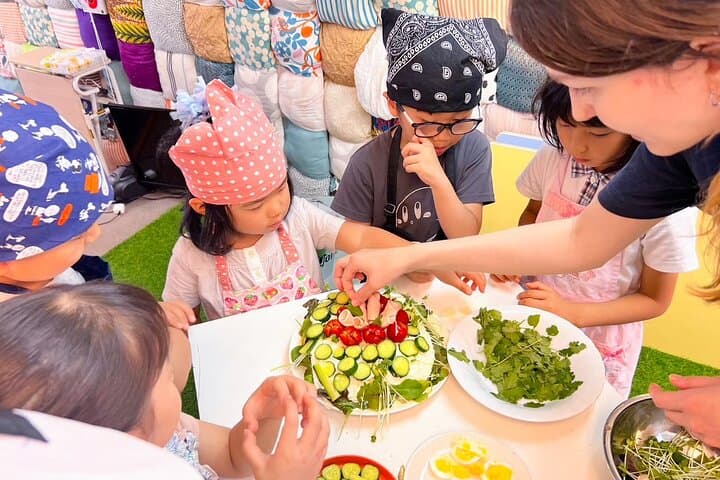
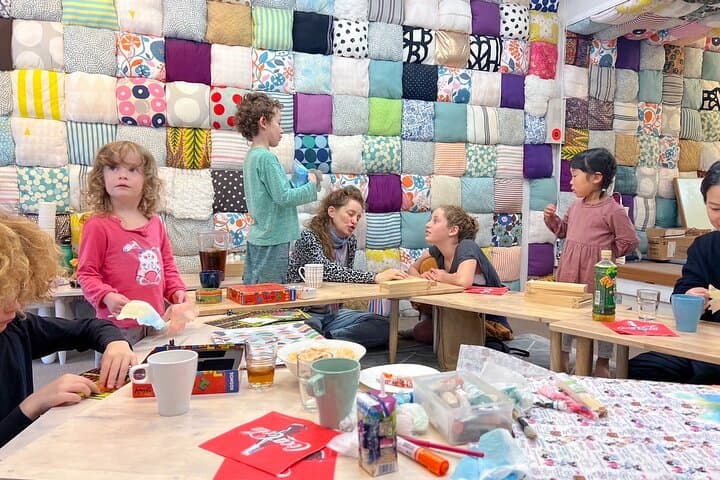
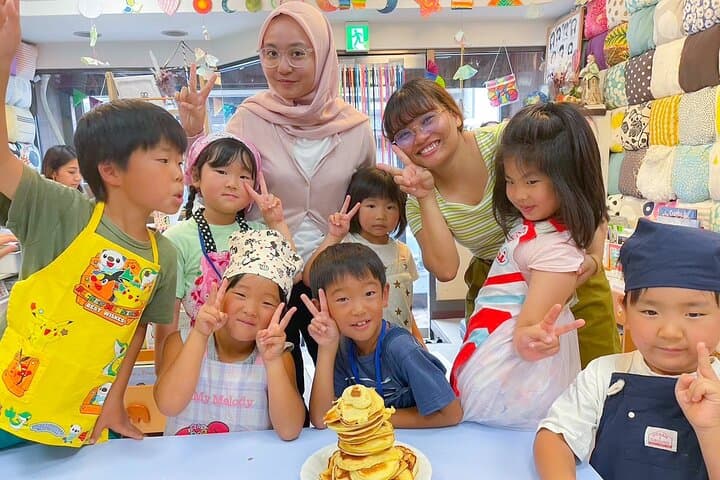
A shrill train announcement fades and you step into a low-ceilinged room where laughter is doing the orientation for you. Sunlight from an east-facing window picks out paper cranes and colored paints; local children cluster around a low table, trading shy greetings and craft tips with visitors' kids. This half-day program places young travelers inside a small, lived slice of Kyoto life — board games, simple cooking, craft projects, and occasional walks to nearby parks when the weather allows.
Verified experiences and guided adventures in the surrounding area.
Operated by ULU Kyoto · Kyoto, Kyoto Prefecture
A shrill train announcement fades and you step into a low-ceilinged room where laughter is doing the orientation for you. Sunlight from an east-facing window picks out paper cranes and colored paints; local children cluster around a low table, trading shy greetings and craft tips with visitors' kids. This half-day program places young travelers inside a small, lived slice of Kyoto life — board games, simple cooking, craft projects, and occasional walks to nearby parks when the weather allows.
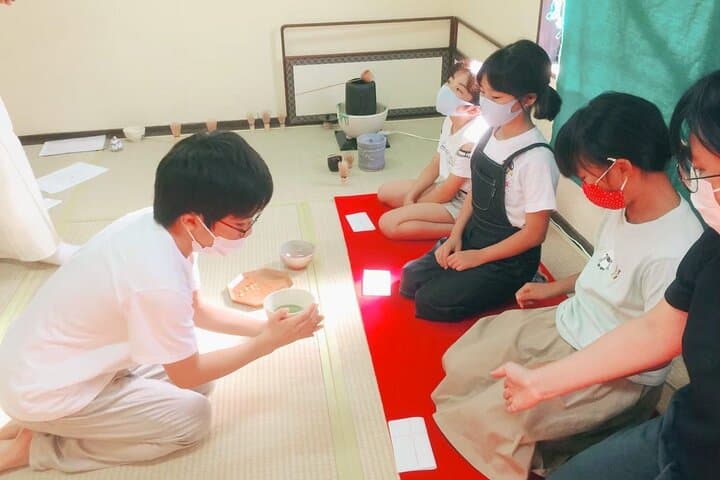
Kyoto's long civic history as Japan's imperial capital gives the city a quiet cultural logic: rituals, seasonal observances, and hands-on craft traditions still shape daily life. The program leans on that context with activities like tea ceremony demonstrations, calligraphy practice, and seasonal crafts tied to Japanese calendars. The immediate area around Kyoto Station is modern but layered over old streets and small shrines, so children often move between contemporary play spaces and pockets of local tradition.
Expect small-group supervision by experienced local staff, mixed indoor activities (arts, board games, light cooking) and short neighborhood walks. Parents can drop off and return to sightseeing; strollers are accessible and snacks are provided.
Practical: book with passport and age details, arrive 10 minutes early for check-in, and label belongings. Dress kids for light indoor mess and brief outdoor walks — a sun hat and a spare shirt make the session smoother. For international families this is a low-pressure way for children to meet peers, try simple cultural rituals, and leave with painted crafts and a clearer sense of Kyoto's everyday rhythms.
easy.
4 hours.
Suitable for children who can sit and participate in group activities and handle short neighborhood walks; adults should be able to carry a small bag and supervise logistics if staying nearby.
The operator designs activities for young children; booking collects age details—confirm with the provider before booking for specific age-range guidance.
Yes; parents may remain nearby or drop off and return later, but coordinate with staff if you plan to stay in the facility during the session.
Full refunds are available if you cancel at least 24 hours before the scheduled start time; within 24 hours there is no refund.
Light snacks are included; parents should provide any required special dietary items and label them clearly.
Kyoto was Japan's imperial capital for over a millennium; contemporary neighborhood life still reflects seasonal rituals and hands-on crafts passed down through families and community centers.
Operators encourage low-impact visits—sort waste, avoid single-use plastics when possible, and keep noise low near shrines and residential streets.
ULU Kyoto operates guided outdoor trips and adventures with an emphasis on safety, stewardship, and memorable experiences.
A shrill train announcement fades and you step into a low-ceilinged room where laughter is doing the orientation for you. Sunlight from an east-facing window picks out paper cranes and colored paints; local children cluster around a low table, trading shy greetings and craft tips with visitors' kids. This half-day program places young travelers inside a small, lived slice of Kyoto life — board games, simple cooking, craft projects, and occasional walks to nearby parks when the weather allows.
A shrill train announcement fades and you step into a low-ceilinged room where laughter is doing the orientation for you. Sunlight from an east-facing window picks out paper cranes and colored paints; local children cluster around a low table, trading shy greetings and craft tips with visitors' kids. This half-day program places young travelers inside a small, lived slice of Kyoto life — board games, simple cooking, craft projects, and occasional walks to nearby parks when the weather allows.
Kyoto's long civic history as Japan's imperial capital gives the city a quiet cultural logic: rituals, seasonal observances, and hands-on craft traditions still shape daily life. The program leans on that context with activities like tea ceremony demonstrations, calligraphy practice, and seasonal crafts tied to Japanese calendars. The immediate area around Kyoto Station is modern but layered over old streets and small shrines, so children often move between contemporary play spaces and pockets of local tradition.
Expect small-group supervision by experienced local staff, mixed indoor activities (arts, board games, light cooking) and short neighborhood walks. Parents can drop off and return to sightseeing; strollers are accessible and snacks are provided.
Practical: book with passport and age details, arrive 10 minutes early for check-in, and label belongings. Dress kids for light indoor mess and brief outdoor walks — a sun hat and a spare shirt make the session smoother. For international families this is a low-pressure way for children to meet peers, try simple cultural rituals, and leave with painted crafts and a clearer sense of Kyoto's everyday rhythms.