THE ADVENTURE COLLECTIVE® · Independent discovery and booking for outdoor travel

Stand above Kathmandu on Kopan Hills and finish at the towering Boudhanath Stupa in a thoughtful half‑day tour. Expect quiet gompas, sweeping valley views, and the steady rhythm of Tibetan Buddhist practice—perfect for a compact cultural visit.
Stand above Kathmandu on Kopan Hills and finish at the towering Boudhanath Stupa in a thoughtful half‑day tour. Expect quiet gompas, sweeping valley views, and the steady rhythm of Tibetan Buddhist practice—perfect for a compact cultural visit.
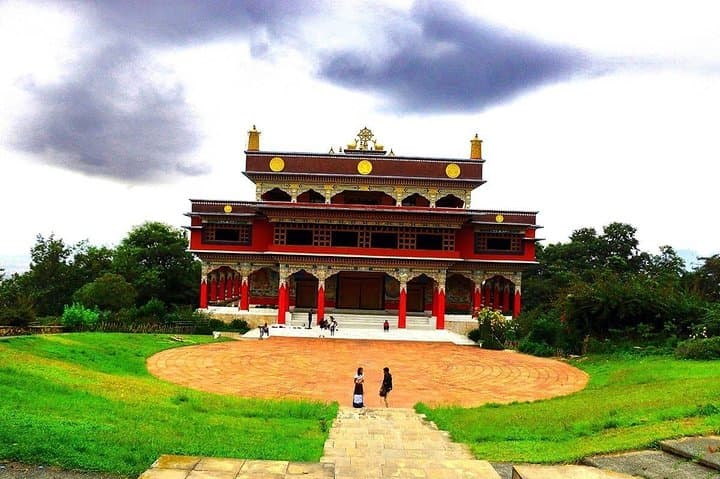
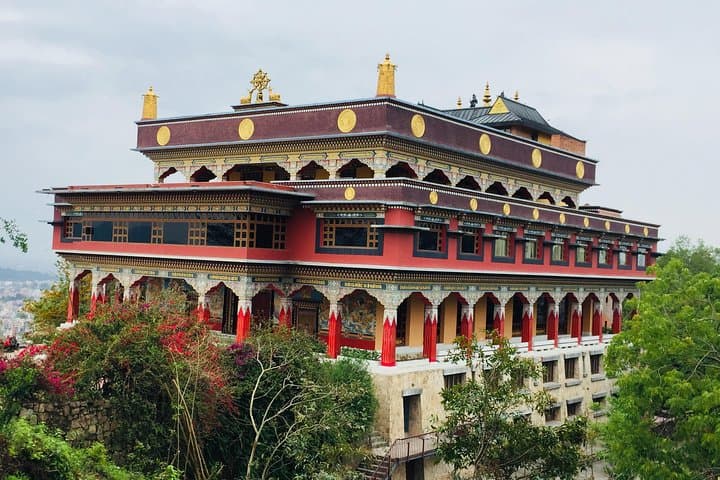
A thin wind runs off the Kopan Hills as the van climbs past terraced fields and prayer flags—your first view is the monastery’s whitewashed roofs and gilded stupas sitting quietly above the city. Inside, low voices and the scrape of prayer wheels set a measured pace; outside, the hill slopes open toward Kathmandu Valley and the distant sprawl of the capital.
Verified experiences and guided adventures in the surrounding area.
Operated by Liberty Holidays · Kathmandu, Bagmati Province
A thin wind runs off the Kopan Hills as the van climbs past terraced fields and prayer flags—your first view is the monastery’s whitewashed roofs and gilded stupas sitting quietly above the city. Inside, low voices and the scrape of prayer wheels set a measured pace; outside, the hill slopes open toward Kathmandu Valley and the distant sprawl of the capital.
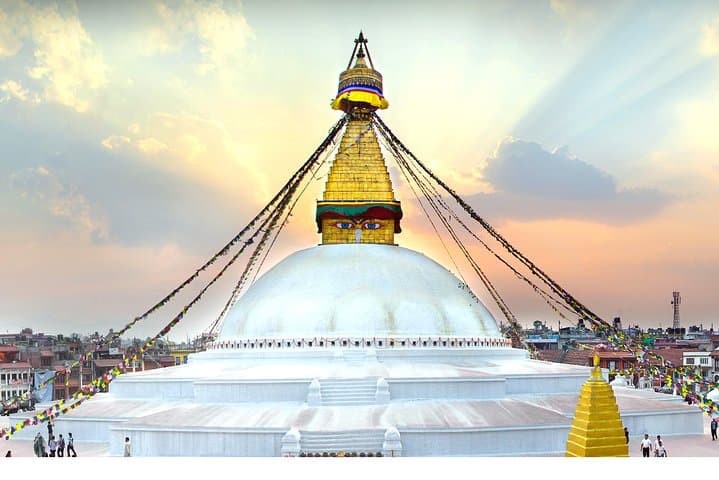
Kopan Monastery was developed in the late 20th century by Tibetan teachers as a center for Mahayana study; it sits on volcanic-era ridgeline soils that lift from the valley floor. A short drive east delivers you to Boudhanath Stupa, the 36‑meter mandala of plaster and prayer eyes that has been a focal point of Tibetan Buddhism in Nepal for centuries and is listed as a UNESCO World Heritage Site.
The route stitches together lived religion, urban pilgrimage, and easy hillside walking: gompas (smaller temples) and butter lamps, rows of mani stones, and vendors selling tsampa and prayer beads. Expect incense and the steady turn of circumambulating pilgrims; photography is common but quiet reverence is required inside prayer halls.
Practical guidance: the half‑day loop takes roughly four hours with hotel transfer included. Wear modest, easily removable footwear, carry water and a light layer for hilltop breezes, and plan visits outside midday monsoon storms. Admission fees are typically included in guided tours—confirm at booking—and tip your guide if the commentary enhances your visit. For travelers seeking an accessible cultural walk with panoramic city views, this pairing delivers a compact, contemplative Kathmandu experience.
easy.
4 hours.
Light walking and short stair sections; suitable for most fitness levels
Yes—most bookings include hotel pickup and drop‑off within Kathmandu’s ring road; confirm if your hotel sits outside that area as extra charges may apply.
Entrance fees are typically included in the tour price, as noted in the inclusions; your guide will confirm at the start.
Photography around exteriors and the stupa plaza is common; inside prayer halls, ask permission as some areas restrict photos to preserve sanctity.
Yes—the itinerary involves gentle walking and short stair sections; informspecial needs at booking to arrange suitable pickup and pacing.
Kopan became a modern teaching center founded by Tibetan Buddhist teachers in the late 20th century; Boudhanath is a centuries‑old stupa and a central pilgrimage site for Tibetan Buddhism in Nepal.
Respect monastic rules, avoid leaving offerings in non‑designated areas, and reduce plastic by carrying refillable bottles; entrance fees and donations help maintain these cultural sites.
Liberty Holidays operates guided outdoor trips and adventures with an emphasis on safety, stewardship, and memorable experiences.

A thin wind runs off the Kopan Hills as the van climbs past terraced fields and prayer flags—your first view is the monastery’s whitewashed roofs and gilded stupas sitting quietly above the city. Inside, low voices and the scrape of prayer wheels set a measured pace; outside, the hill slopes open toward Kathmandu Valley and the distant sprawl of the capital.
A thin wind runs off the Kopan Hills as the van climbs past terraced fields and prayer flags—your first view is the monastery’s whitewashed roofs and gilded stupas sitting quietly above the city. Inside, low voices and the scrape of prayer wheels set a measured pace; outside, the hill slopes open toward Kathmandu Valley and the distant sprawl of the capital.
Kopan Monastery was developed in the late 20th century by Tibetan teachers as a center for Mahayana study; it sits on volcanic-era ridgeline soils that lift from the valley floor. A short drive east delivers you to Boudhanath Stupa, the 36‑meter mandala of plaster and prayer eyes that has been a focal point of Tibetan Buddhism in Nepal for centuries and is listed as a UNESCO World Heritage Site.
The route stitches together lived religion, urban pilgrimage, and easy hillside walking: gompas (smaller temples) and butter lamps, rows of mani stones, and vendors selling tsampa and prayer beads. Expect incense and the steady turn of circumambulating pilgrims; photography is common but quiet reverence is required inside prayer halls.
Practical guidance: the half‑day loop takes roughly four hours with hotel transfer included. Wear modest, easily removable footwear, carry water and a light layer for hilltop breezes, and plan visits outside midday monsoon storms. Admission fees are typically included in guided tours—confirm at booking—and tip your guide if the commentary enhances your visit. For travelers seeking an accessible cultural walk with panoramic city views, this pairing delivers a compact, contemplative Kathmandu experience.