THE ADVENTURE COLLECTIVE® · Independent discovery and booking for outdoor travel

A gentle half-day paddle on Laguna La Poza lays out postcard views of Osorno and Calbuco volcanoes, calm water ideal for beginners, and close-up encounters with native birdlife—only minutes from Puerto Varas. Read on for what to expect, logistics, and tips to make the most of the trip.
A gentle half-day paddle on Laguna La Poza lays out postcard views of Osorno and Calbuco volcanoes, calm water ideal for beginners, and close-up encounters with native birdlife—only minutes from Puerto Varas. Read on for what to expect, logistics, and tips to make the most of the trip.
You push off into glassy water and the first thing that fills the cockpit is the sight of volcanoes—Osorno’s classic cone to your right, Calbuco’s jagged silhouette to the left—both reflected like careful sketches on Laguna La Poza.
Verified experiences and guided adventures in the surrounding area.
Operated by Jass Puerto Varas · Puerto Varas, Los Lagos
You push off into glassy water and the first thing that fills the cockpit is the sight of volcanoes—Osorno’s classic cone to your right, Calbuco’s jagged silhouette to the left—both reflected like careful sketches on Laguna La Poza.
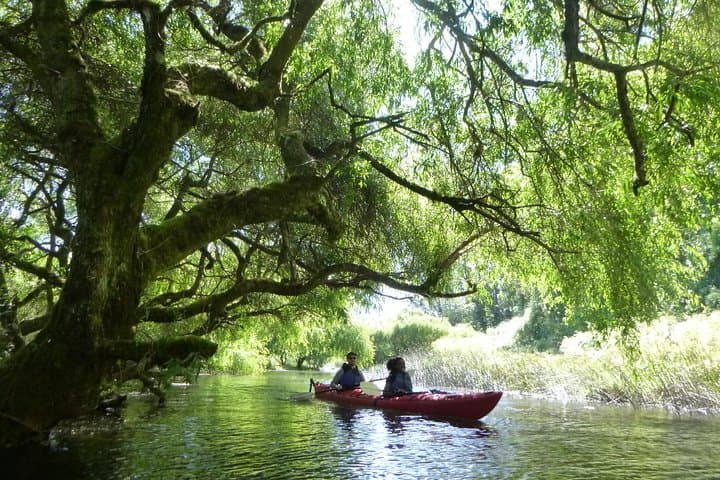
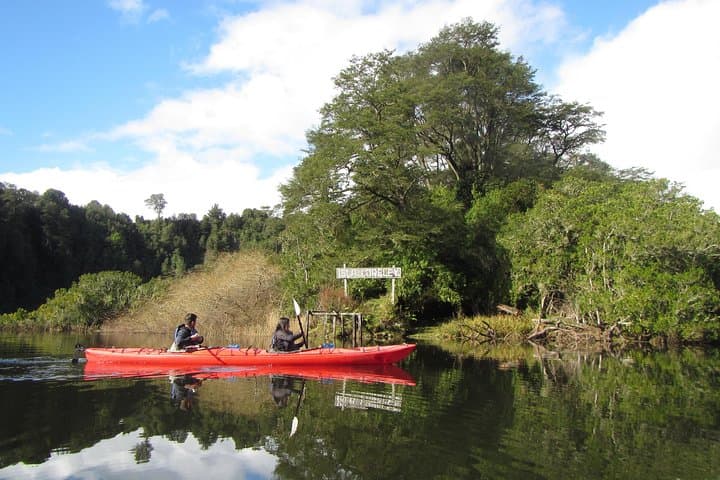
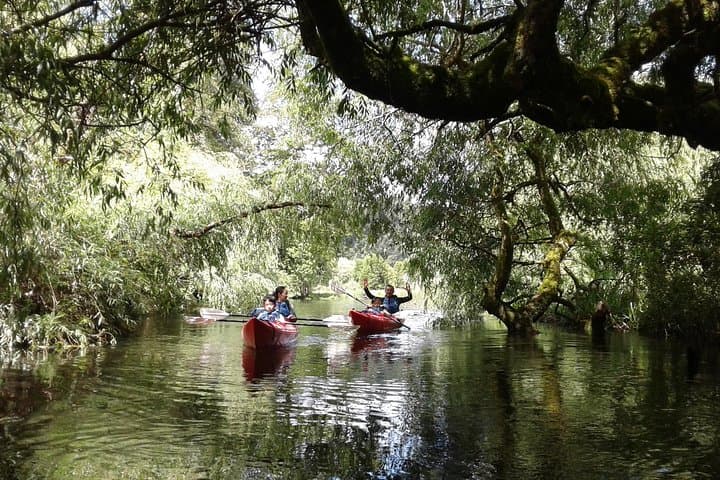
The lagoon sits a few kilometers from Puerto Varas, ringed by native forest and reed beds where waterfowl argue over territories. Wind is usually courteous here; the organizers fit you with a sit-on-top kayak and a short safety briefing, and before long the rhythm of paddling replaces the clatter of the town. The water dares you to relax: shallow margins where coots slip under emergent vegetation, and open channels where vista after vista unfolds—snow-rimmed peaks, the dark shoulder of Lake Llanquihue beyond, and the low hummocks of lenga and tepa trees.
Geology writes itself around the lake: volcanic activity sculpted the basin, and glacial cycles deepened the plains that now cradle Llanquihue and its satellite lagoons. Culturally, Puerto Varas bears a clear German imprint from 19th-century settlers—wood-framed houses and bakeries remain—while the Huilliche people are the older human layer, with traditional knowledge of local wetlands and fish runs.
The tour offers more than scenery: guides point out birdlife, explain regional volcanic history, and steer toward quiet coves that photographers love. It’s a family-friendly half-day that balances slow exploration with a taste of wilderness close to town.
Practicalities are straightforward. The trip runs about four hours round-trip, including pick-up in town and a guided paddle of roughly 4–6 km on sheltered water with negligible elevation change. Groups are small (max six), equipment and life jackets are provided, and transport back to Puerto Varas is in an air-conditioned vehicle. The operator discourages pregnant travelers and those with serious back problems; basic mobility and the ability to follow paddling instructions are enough for most people.
Timing matters: wind picks up in the afternoon, so morning sessions are calmer and better for reflections and bird activity. Wear quick-drying clothing, bring sun protection and a waterproof phone case, and plan for bugs near the reeds in summer. If you're photographing, aim for low sun and keep your shutter ready—the volcanoes are patient but the light on the water changes fast.
For travelers based in Puerto Varas, this is a compact way to get onto Patagonian waters without a full expedition: easy on the body, rich in view, and full of quiet moments where the landscape seems to breathe.
easy.
4 hours.
Minimal fitness required—suitable for beginners and families; you should be able to paddle intermittently for 30–60 minutes.
The water is usually calm and the planned route is flatwater on a lagoon; expect easy paddling suitable for beginners and families.
Meet in front of Puerto Varas main square (Plaza de Armas); the operator provides transport to the launch site from there.
Yes—sea kayaks (sit-on-top) and safety equipment including PFDs are provided as part of the tour.
Yes—this half-day is family-friendly, though children should be comfortable following basic safety instructions and wearing a life jacket.
Tours are canceled in poor conditions (operator policy allows full refund if canceled at least 24 hours prior; immediate cancellations may apply for safety).
Yes—use a waterproof case or dry bag; a small mirrorless camera on a wrist strap works well for stable shots from a kayak.
The Llanquihue basin formed through volcanic activity and glaciation; Puerto Varas developed with strong German immigration in the 19th century, visible in local architecture and cuisine.
The lagoon is sensitive to runoff and invasive plants—stay on the water, follow guide instructions, and avoid disturbing reed beds to protect nesting birds.
Jass Puerto Varas operates guided outdoor trips and adventures with an emphasis on safety, stewardship, and memorable experiences.
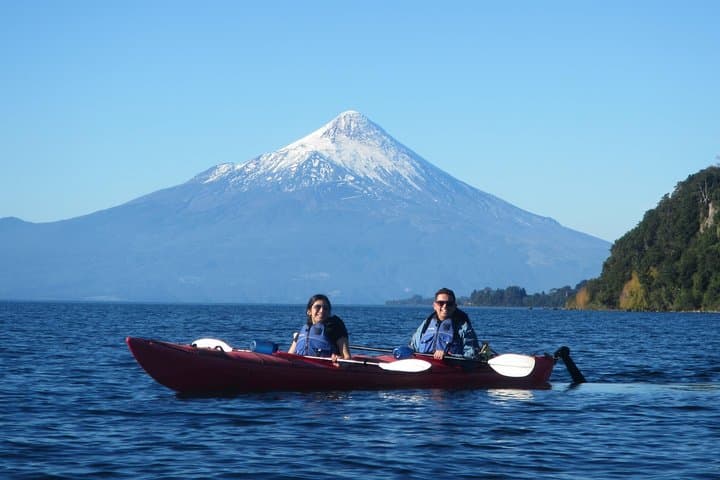
You push off into glassy water and the first thing that fills the cockpit is the sight of volcanoes—Osorno’s classic cone to your right, Calbuco’s jagged silhouette to the left—both reflected like careful sketches on Laguna La Poza.
You push off into glassy water and the first thing that fills the cockpit is the sight of volcanoes—Osorno’s classic cone to your right, Calbuco’s jagged silhouette to the left—both reflected like careful sketches on Laguna La Poza.
The lagoon sits a few kilometers from Puerto Varas, ringed by native forest and reed beds where waterfowl argue over territories. Wind is usually courteous here; the organizers fit you with a sit-on-top kayak and a short safety briefing, and before long the rhythm of paddling replaces the clatter of the town. The water dares you to relax: shallow margins where coots slip under emergent vegetation, and open channels where vista after vista unfolds—snow-rimmed peaks, the dark shoulder of Lake Llanquihue beyond, and the low hummocks of lenga and tepa trees.
Geology writes itself around the lake: volcanic activity sculpted the basin, and glacial cycles deepened the plains that now cradle Llanquihue and its satellite lagoons. Culturally, Puerto Varas bears a clear German imprint from 19th-century settlers—wood-framed houses and bakeries remain—while the Huilliche people are the older human layer, with traditional knowledge of local wetlands and fish runs.
The tour offers more than scenery: guides point out birdlife, explain regional volcanic history, and steer toward quiet coves that photographers love. It’s a family-friendly half-day that balances slow exploration with a taste of wilderness close to town.
Practicalities are straightforward. The trip runs about four hours round-trip, including pick-up in town and a guided paddle of roughly 4–6 km on sheltered water with negligible elevation change. Groups are small (max six), equipment and life jackets are provided, and transport back to Puerto Varas is in an air-conditioned vehicle. The operator discourages pregnant travelers and those with serious back problems; basic mobility and the ability to follow paddling instructions are enough for most people.
Timing matters: wind picks up in the afternoon, so morning sessions are calmer and better for reflections and bird activity. Wear quick-drying clothing, bring sun protection and a waterproof phone case, and plan for bugs near the reeds in summer. If you're photographing, aim for low sun and keep your shutter ready—the volcanoes are patient but the light on the water changes fast.
For travelers based in Puerto Varas, this is a compact way to get onto Patagonian waters without a full expedition: easy on the body, rich in view, and full of quiet moments where the landscape seems to breathe.