THE ADVENTURE COLLECTIVE® · Independent discovery and booking for outdoor travel

Spend a focused half day taking in two of Kathmandu’s most powerful sacred sites. This guided tour combines the slow, meditative kora around Boudhanath with a respectful riverside view of rituals at Pashupatinath.
Spend a focused half day taking in two of Kathmandu’s most powerful sacred sites. This guided tour combines the slow, meditative kora around Boudhanath with a respectful riverside view of rituals at Pashupatinath.
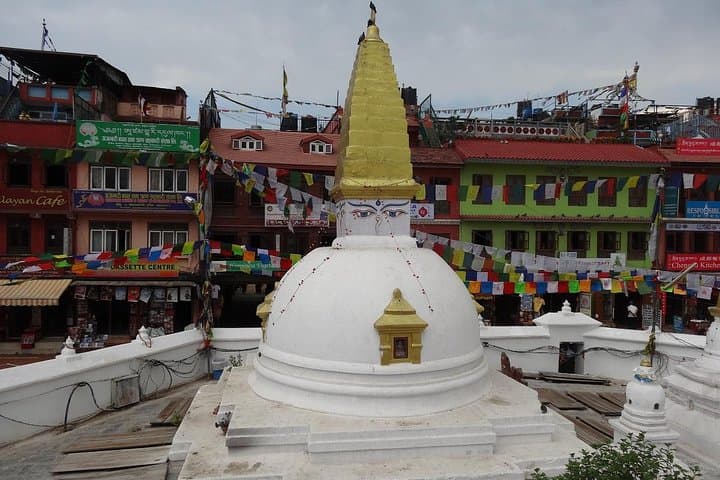
The air smells of incense and frying spices as the minibus eases into a neighborhood where prayer flags snap like quiet bells. Walkers move in steady circles around the great white dome of Boudhanath, while across town the Bagmati River threads past the steps of Pashupatinath, its current daring you to watch closely as rituals unfold at the ghats.
Verified experiences and guided adventures in the surrounding area.
Operated by Sita, India · Kathmandu, Bagmati Province
The air smells of incense and frying spices as the minibus eases into a neighborhood where prayer flags snap like quiet bells. Walkers move in steady circles around the great white dome of Boudhanath, while across town the Bagmati River threads past the steps of Pashupatinath, its current daring you to watch closely as rituals unfold at the ghats.
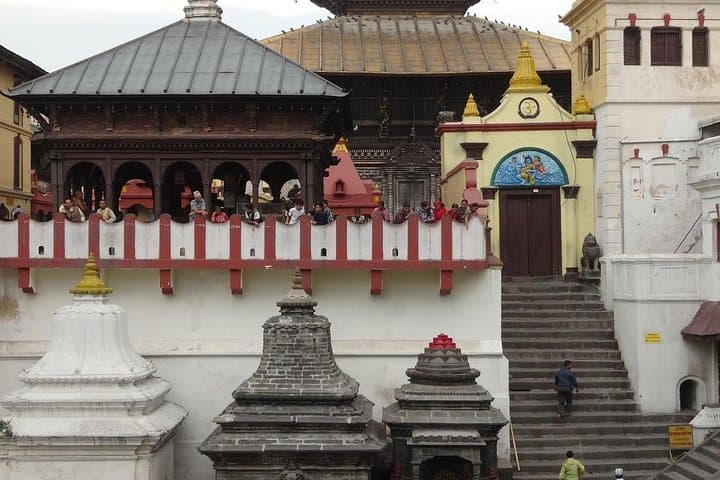
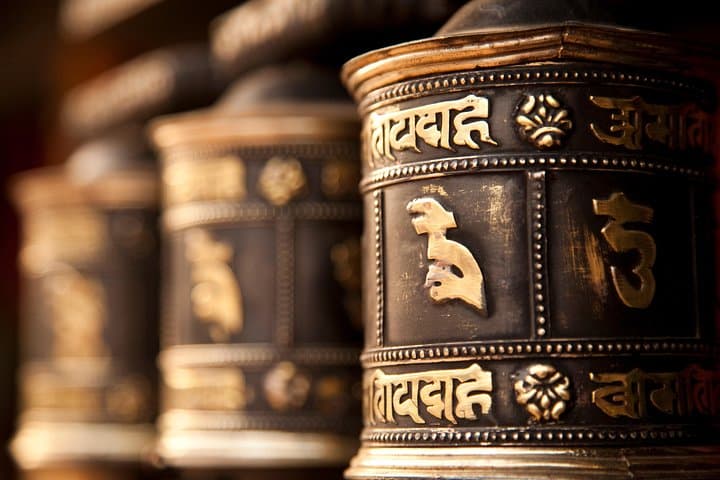
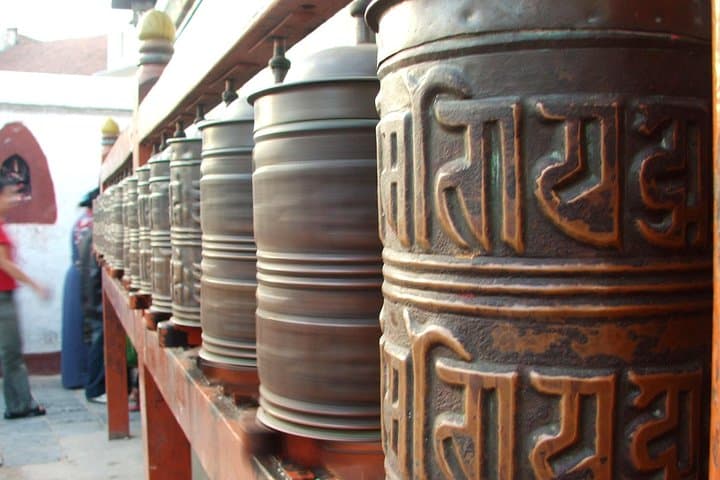
Boudhanath is one of Nepal’s largest stupas, a focal point of Tibetan Buddhism with painted Buddha eyes watching over a ceaseless kora. Pashupatinath, dedicated to Shiva, is a centuries-old Hindu complex where gilded roofs and silver doors mark a site of ongoing worship and cremation rites visible from the riverbank. Kathmandu Valley’s geology—alluvial plains cut by rivers fed from Himalayan runoff—shaped these sacred sites and the dense street network that connects them. Nearby monasteries and small shops give a cultural thread to the walk: butter lamps, cast-metal prayer wheels, and steady drum beats.
Expect five hours of guided, mostly flat walking with short stairs and crowded sidewalks. Mornings are cooler and quieter for respectful observation; late mornings bring fuller courtyards and more photo opportunities. Dress modestly, remove shoes where required, and keep conversations low near shrines. Bring local currency for small offerings and shops, carry water, and allow extra time for traffic between sites. The tour pairs sensory immersion with practical logistics—hotel pickup, A/C transport between stops, and an English-speaking guide—making it an efficient introduction to Kathmandu’s living sacred landscape.
easy.
4–5 hours.
Able to walk on uneven sidewalks and climb short flights of stairs; not strenuous but requires standing and modest mobility.
No, non-Hindus cannot enter the main temple complex but can observe rituals and ghats from designated viewpoints across the Bagmati River.
There is no formal admission fee for walking the kora around Boudhanath, though donations to monasteries and small photography fees may apply at certain sites.
Yes; the private half-day tour includes hotel pickup and drop-off and A/C transport between sites.
This tour is not recommended for pregnant travelers or those with significant cardiovascular issues due to stairs, crowds, and potential stress from traffic and heat.
Pashupatinath and Boudhanath reflect Kathmandu Valley’s layered religious history: Pashupatinath as a principal Shiva site used for centuries, and Boudhanath shaped by Tibetan Buddhist communities after medieval rebuildings.
Respect temple rules, avoid plastic litter, and be mindful that the Bagmati River faces pollution pressures—support local clean-up initiatives and use refill stations where available.
Sita, India operates guided outdoor trips and adventures with an emphasis on safety, stewardship, and memorable experiences.
The air smells of incense and frying spices as the minibus eases into a neighborhood where prayer flags snap like quiet bells. Walkers move in steady circles around the great white dome of Boudhanath, while across town the Bagmati River threads past the steps of Pashupatinath, its current daring you to watch closely as rituals unfold at the ghats.
The air smells of incense and frying spices as the minibus eases into a neighborhood where prayer flags snap like quiet bells. Walkers move in steady circles around the great white dome of Boudhanath, while across town the Bagmati River threads past the steps of Pashupatinath, its current daring you to watch closely as rituals unfold at the ghats.
Boudhanath is one of Nepal’s largest stupas, a focal point of Tibetan Buddhism with painted Buddha eyes watching over a ceaseless kora. Pashupatinath, dedicated to Shiva, is a centuries-old Hindu complex where gilded roofs and silver doors mark a site of ongoing worship and cremation rites visible from the riverbank. Kathmandu Valley’s geology—alluvial plains cut by rivers fed from Himalayan runoff—shaped these sacred sites and the dense street network that connects them. Nearby monasteries and small shops give a cultural thread to the walk: butter lamps, cast-metal prayer wheels, and steady drum beats.
Expect five hours of guided, mostly flat walking with short stairs and crowded sidewalks. Mornings are cooler and quieter for respectful observation; late mornings bring fuller courtyards and more photo opportunities. Dress modestly, remove shoes where required, and keep conversations low near shrines. Bring local currency for small offerings and shops, carry water, and allow extra time for traffic between sites. The tour pairs sensory immersion with practical logistics—hotel pickup, A/C transport between stops, and an English-speaking guide—making it an efficient introduction to Kathmandu’s living sacred landscape.