THE ADVENTURE COLLECTIVE® · Independent discovery and booking for outdoor travel

Walk shaded trails and a mangrove boardwalk to see Zanzibar’s endemic Kirk’s red colobus on a private half-day tour from Stone Town. Learn about mangrove ecology, local culture, and practical tips for a comfortable, respectful visit.
Walk shaded trails and a mangrove boardwalk to see Zanzibar’s endemic Kirk’s red colobus on a private half-day tour from Stone Town. Learn about mangrove ecology, local culture, and practical tips for a comfortable, respectful visit.
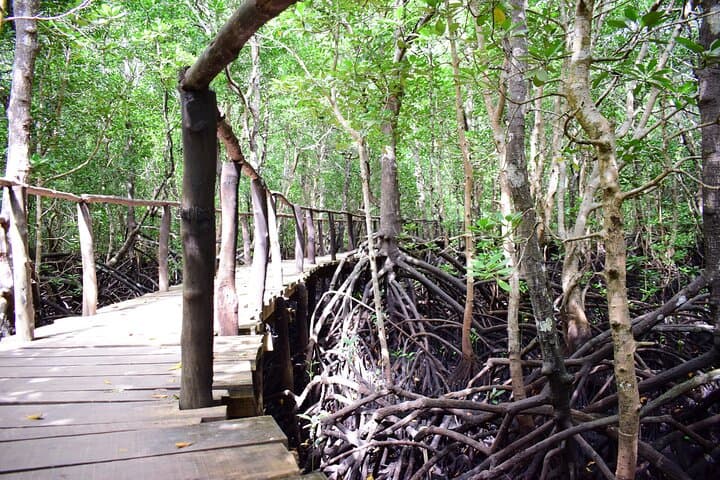
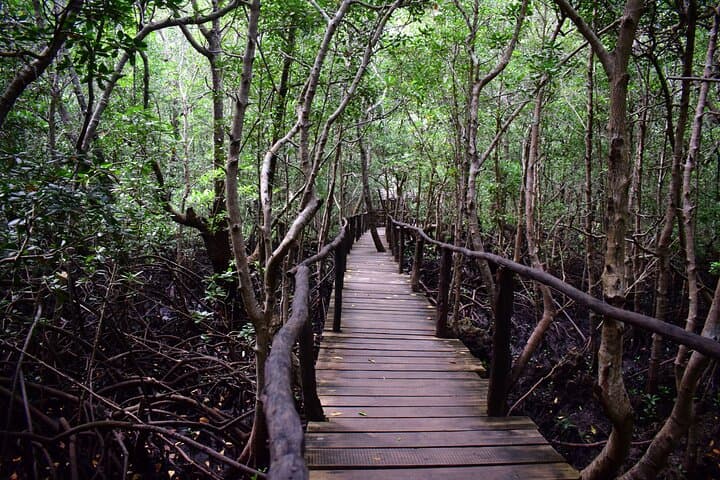
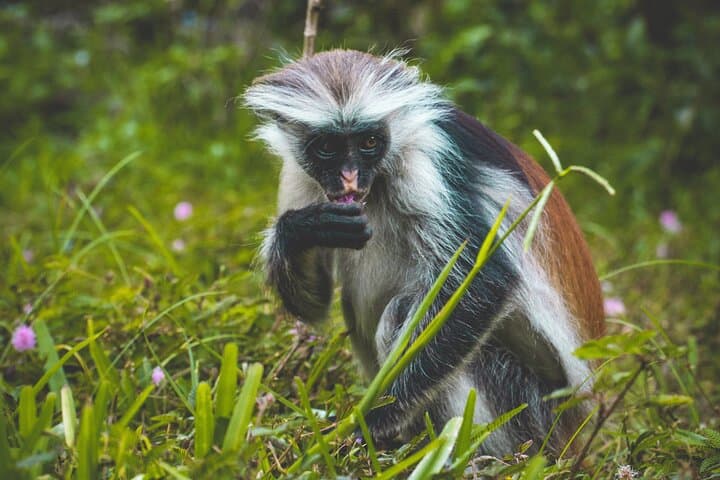
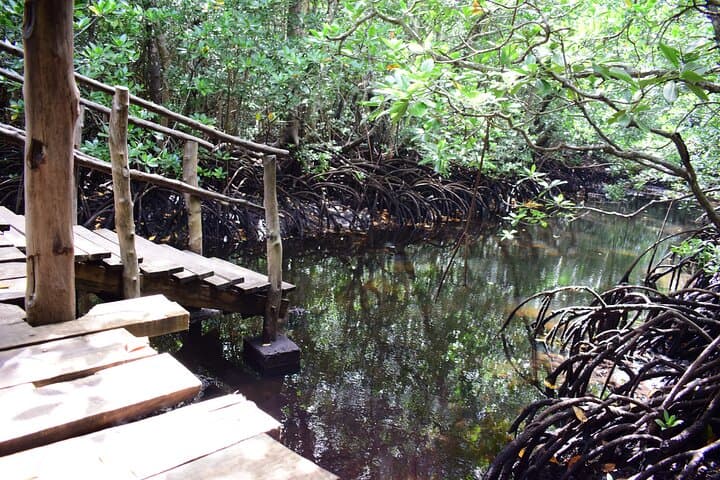
You step off the coastal road into a humid pocket of green: leaves drip, air thick with the scent of earth, and branches part as small faces—Kirk’s red colobus monkeys—peer down from the canopy. The forest moves around you, mangrove roots like cradles in the soft soil and a raised boardwalk that guides visitors through the quieter interior.
Verified experiences and guided adventures in the surrounding area.
Operated by Abdi Suleiman · Jozani, Zanzibar
You step off the coastal road into a humid pocket of green: leaves drip, air thick with the scent of earth, and branches part as small faces—Kirk’s red colobus monkeys—peer down from the canopy. The forest moves around you, mangrove roots like cradles in the soft soil and a raised boardwalk that guides visitors through the quieter interior.
Jozani-Chwaka National Park was protected in the mid-20th century to preserve its unique coastal forest and the endemic red colobus. Geologically the area is coastal sand and limestone overlaying coral formations; tides shape the mangroves and create brackish edge habitats for birds and invertebrates. Locally, communities around Jozani retain Swahili farming and fishing traditions, and conservation fees help fund both park protection and village projects.
On a typical half-day private tour you’ll follow shaded trails and a short mangrove boardwalk, pausing for close but respectful views of red colobus and Sykes monkeys, and learning about the park’s mangrove ecology. There’s often a chance to add a visit to the nearby butterfly center to see chameleons and native butterflies for a small additional fee.
Practical guidance: tours run about 2–3 hours on mostly flat, sometimes muddy paths; wear closed-toe shoes, bring insect repellent, and time visits for early morning or late afternoon when primates are most active. Guides handle permits and transport, and water is usually provided. Stay on trails, keep distance from wildlife, and pack a lightweight rain jacket during the wet months.
easy.
2–3 hours.
Suitable for most fitness levels; involves short, mostly flat walks with occasional steps and boardwalks.
This tour lists entrance fees as included, and guides typically handle the government permit at the park entrance.
The tour lasts about 2–3 hours with mostly flat, short walks; it’s rated easy and suitable for most people.
Yes — many itineraries include an optional stop at the nearby butterfly center, usually for a small additional fee not always covered by the basic tour price.
Sightings are frequent—Jozani is one of the best places to see the endemic Kirk’s red colobus—but wildlife sightings can’t be guaranteed.
Jozani was set aside as a conservation area in the 1960s and later became part of Jozani-Chwaka National Park to protect coastal forest and endemic species.
Visitor fees support habitat protection and local community projects; stay on trails, pack out waste, and avoid feeding wildlife to reduce human-wildlife conflict.
Abdi Suleiman operates guided outdoor trips and adventures with an emphasis on safety, stewardship, and memorable experiences.
You step off the coastal road into a humid pocket of green: leaves drip, air thick with the scent of earth, and branches part as small faces—Kirk’s red colobus monkeys—peer down from the canopy. The forest moves around you, mangrove roots like cradles in the soft soil and a raised boardwalk that guides visitors through the quieter interior.
You step off the coastal road into a humid pocket of green: leaves drip, air thick with the scent of earth, and branches part as small faces—Kirk’s red colobus monkeys—peer down from the canopy. The forest moves around you, mangrove roots like cradles in the soft soil and a raised boardwalk that guides visitors through the quieter interior.
Jozani-Chwaka National Park was protected in the mid-20th century to preserve its unique coastal forest and the endemic red colobus. Geologically the area is coastal sand and limestone overlaying coral formations; tides shape the mangroves and create brackish edge habitats for birds and invertebrates. Locally, communities around Jozani retain Swahili farming and fishing traditions, and conservation fees help fund both park protection and village projects.
On a typical half-day private tour you’ll follow shaded trails and a short mangrove boardwalk, pausing for close but respectful views of red colobus and Sykes monkeys, and learning about the park’s mangrove ecology. There’s often a chance to add a visit to the nearby butterfly center to see chameleons and native butterflies for a small additional fee.
Practical guidance: tours run about 2–3 hours on mostly flat, sometimes muddy paths; wear closed-toe shoes, bring insect repellent, and time visits for early morning or late afternoon when primates are most active. Guides handle permits and transport, and water is usually provided. Stay on trails, keep distance from wildlife, and pack a lightweight rain jacket during the wet months.