THE ADVENTURE COLLECTIVE® · Independent discovery and booking for outdoor travel

Walk beneath low canopies to encounter the endemic Zanzibar red colobus and the park’s living mangrove edge. This half-day private tour pairs guided wildlife viewing with cultural insights into how local communities steward Chwaka Bay.
Walk beneath low canopies to encounter the endemic Zanzibar red colobus and the park’s living mangrove edge. This half-day private tour pairs guided wildlife viewing with cultural insights into how local communities steward Chwaka Bay.
You step off the track and the forest closes behind you: a low canopy filters sunlight into green pools, leaves clap softly and the air smells of wet earth and sea. The trail hums with insects and, somewhere above, the call of the Zanzibar red colobus threads through branches—the island’s most famous resident drawing your gaze to a rust-red silhouette swaying on liana.
Verified experiences and guided adventures in the surrounding area.
Operated by We Cab Tours and Safaris · Jozani, Unguja
You step off the track and the forest closes behind you: a low canopy filters sunlight into green pools, leaves clap softly and the air smells of wet earth and sea. The trail hums with insects and, somewhere above, the call of the Zanzibar red colobus threads through branches—the island’s most famous resident drawing your gaze to a rust-red silhouette swaying on liana.
Jozani Chwaka Bay is the island’s only officially protected national park, created to protect endemic primates and the unique mangrove and coastal forest that fringe Chwaka Bay. Geologically, the forest sits on shallow coral rag and alluvial soils where tides meet woodland, creating a mix of swamp, hardwood stands, and mangrove channels. Culturally, nearby villages have long fished the bay and harvested mangrove products; community-based conservation now links local livelihoods to the park’s survival.
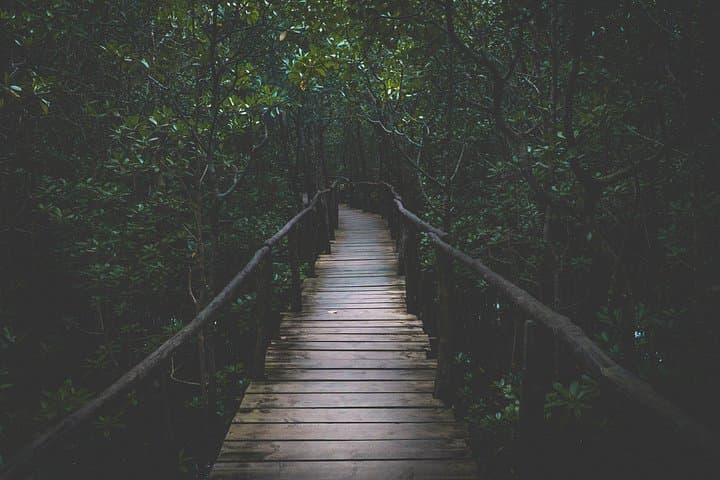
Expect guided, slow-paced walking—tracks, raised boardwalks through mangroves and short climbs to viewpoints where the bay stretches bright beyond the trees. Guides point out colobus troops, shy bushbabies at dusk, and tiny endemic butterflies; they’ll explain how tidal currents shape the shoreline and why mangroves act like island defenses.
Practical notes: wear sturdy, closed shoes for muddy sections, bring mosquito repellent and water, and aim for early morning or late afternoon light for wildlife activity and fewer people. Respect rope lines and keep distance from primates—do not feed them. With a two to four hour visit you combine wildlife viewing with a short cultural encounter and a clear sense of how fragile Zanzibar’s coastal ecosystems are.
easy.
2–4 hours.
Light walking on mostly flat trails; suitable for most fitness levels including families.
The private half-day tour runs about 2–4 hours depending on pace and transfer time from your accommodation.
Yes—this is family-friendly and suitable for infants and children; infants must sit on an adult’s lap during transfers.
Yes—Jozani is the best place on Unguja to see the endemic Zanzibar red colobus; sightings are likely but never guaranteed.
Confirm with your booking—guiding fees and park admission are typically included, but pickup details and exact inclusions should be verified on your voucher.
The area was designated to conserve endemic species and mangrove habitats, with growing community-based conservation linking villagers to park management.
Stay on trails and boardwalks, avoid feeding wildlife, and support local guides—visitor behavior helps protect fragile mangrove and forest ecosystems.
We Cab Tours and Safaris operates guided outdoor trips and adventures with an emphasis on safety, stewardship, and memorable experiences.
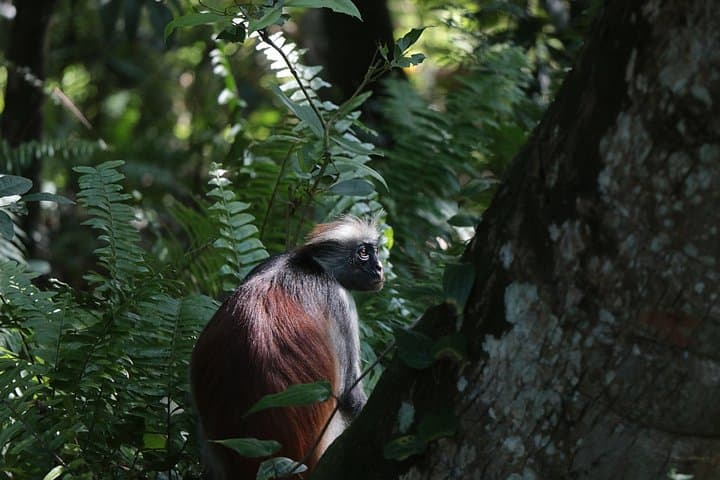
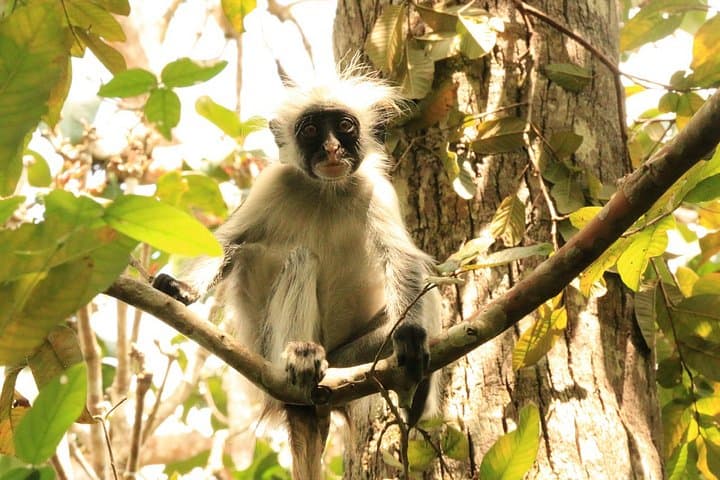
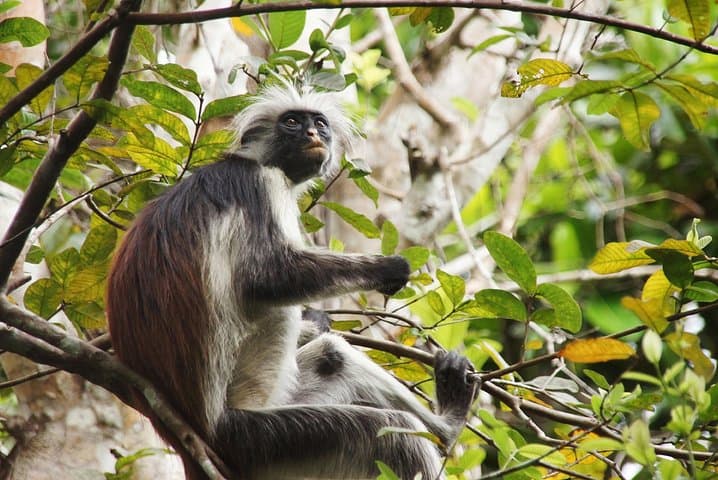
You step off the track and the forest closes behind you: a low canopy filters sunlight into green pools, leaves clap softly and the air smells of wet earth and sea. The trail hums with insects and, somewhere above, the call of the Zanzibar red colobus threads through branches—the island’s most famous resident drawing your gaze to a rust-red silhouette swaying on liana.
You step off the track and the forest closes behind you: a low canopy filters sunlight into green pools, leaves clap softly and the air smells of wet earth and sea. The trail hums with insects and, somewhere above, the call of the Zanzibar red colobus threads through branches—the island’s most famous resident drawing your gaze to a rust-red silhouette swaying on liana.
Jozani Chwaka Bay is the island’s only officially protected national park, created to protect endemic primates and the unique mangrove and coastal forest that fringe Chwaka Bay. Geologically, the forest sits on shallow coral rag and alluvial soils where tides meet woodland, creating a mix of swamp, hardwood stands, and mangrove channels. Culturally, nearby villages have long fished the bay and harvested mangrove products; community-based conservation now links local livelihoods to the park’s survival.
Expect guided, slow-paced walking—tracks, raised boardwalks through mangroves and short climbs to viewpoints where the bay stretches bright beyond the trees. Guides point out colobus troops, shy bushbabies at dusk, and tiny endemic butterflies; they’ll explain how tidal currents shape the shoreline and why mangroves act like island defenses.
Practical notes: wear sturdy, closed shoes for muddy sections, bring mosquito repellent and water, and aim for early morning or late afternoon light for wildlife activity and fewer people. Respect rope lines and keep distance from primates—do not feed them. With a two to four hour visit you combine wildlife viewing with a short cultural encounter and a clear sense of how fragile Zanzibar’s coastal ecosystems are.