THE ADVENTURE COLLECTIVE® · Independent discovery and booking for outdoor travel

Spend three focused hours on a guided snorkel and sight‑seeing run off Ambergris Caye with tarpon feeding, frigatebird encounters, and shallow reef snorkels. Ideal for adventurous swimmers who want close encounters with turtles, rays and nurse sharks while learning about the Belize Barrier Reef.
Spend three focused hours on a guided snorkel and sight‑seeing run off Ambergris Caye with tarpon feeding, frigatebird encounters, and shallow reef snorkels. Ideal for adventurous swimmers who want close encounters with turtles, rays and nurse sharks while learning about the Belize Barrier Reef.
A motor skiff slips away from a sugar-white sand spit and into water the color of a wet sapphire. Within minutes the engine thins and the guide points to a shallow sand flat where tarpon roll at the surface, eyes bright; frigatebirds wheel above, daring you to look up. This three-hour island-style snorkeling and sightseeing excursion from Ambergris Caye drops you into the Belize Barrier Reef’s edge—short runs between tidal flats, coral heads and a protected channel known locally as the South Channel (CCMR).
Verified experiences and guided adventures in the surrounding area.
Operated by Eastwind tours · San Pedro, Belize District
A motor skiff slips away from a sugar-white sand spit and into water the color of a wet sapphire. Within minutes the engine thins and the guide points to a shallow sand flat where tarpon roll at the surface, eyes bright; frigatebirds wheel above, daring you to look up. This three-hour island-style snorkeling and sightseeing excursion from Ambergris Caye drops you into the Belize Barrier Reef’s edge—short runs between tidal flats, coral heads and a protected channel known locally as the South Channel (CCMR).
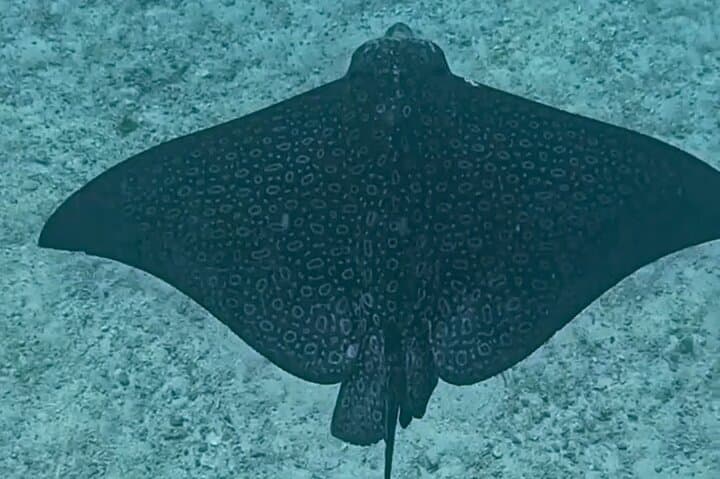
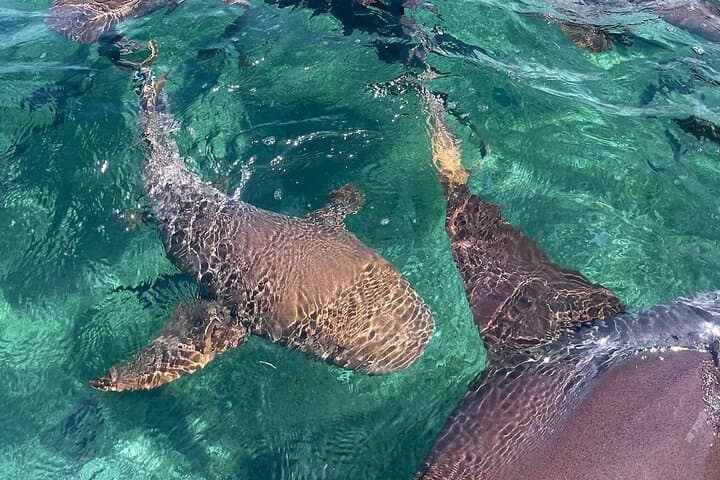
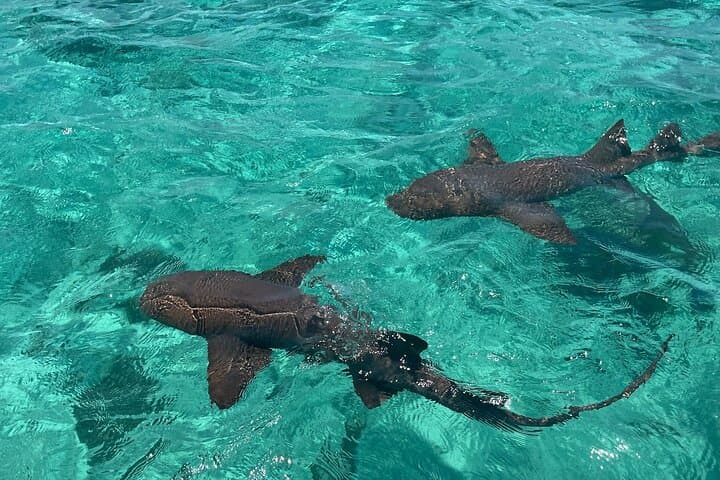
Belize’s reef is the western hemisphere’s largest barrier reef, formed on a submerged limestone platform and shaped by currents and centuries of coral growth. The Cayes have long been fishing and boatbuilding hubs for mestizo and Garifuna communities; today small operators blend that maritime culture with reef stewardship. Expect to see hard and soft corals, green and hawksbill turtles, southern stingrays, and nurse sharks in shallow water—animals that tolerate close, calm approaches.
Practically: the tour is three hours, with guided tarpon feeding, a 45-minute snorkel on the South Channel, and a swim with sharks and rays. Snorkel gear, bottled water, snacks, marine park entrance fee and rum punch are included. The outing is suitable for most swimmers but not recommended for pregnant travelers or those with serious heart conditions. Plan for strong sun—reef-safe sunscreen, a long-sleeve swim shirt and a quick-dry towel will make the difference. Boat transfers are short; arrive at the meeting point (look for the pink “East Wind” sign) 15 minutes early. Respect local briefings, keep movement slow near wildlife, and enjoy the tactile, up-close side of the reef responsibly.
easy.
3 hours.
Suitable for people with basic swimming ability and mobility; short periods of swimming/snorkeling are required.
Most snorkel areas on this excursion are shallow—typically 1–5 meters—making them accessible for surface snorkelers and ideal for observing turtles and rays.
No — basic snorkeling ability is sufficient; guides provide orientation and flotation aids if needed, but comfortable breath control and swimming at the surface are expected.
Children are generally welcome if they can swim and follow safety instructions; check operator age limits and supervise younger kids closely.
The operator cancels for unsafe weather; the booking is marked all sales final, so verify weather policies and consider travel insurance for unpredictable conditions.
The Belize Barrier Reef has supported coastal communities for centuries; the Cayes developed as fishing and boatbuilding sites tied to Mayan and later colonial trade routes.
The area is part of the Belize Barrier Reef Reserve System with marine park fees supporting monitoring and seasonal fishing restrictions to protect spawning aggregations.
Eastwind tours operates guided outdoor trips and adventures with an emphasis on safety, stewardship, and memorable experiences.
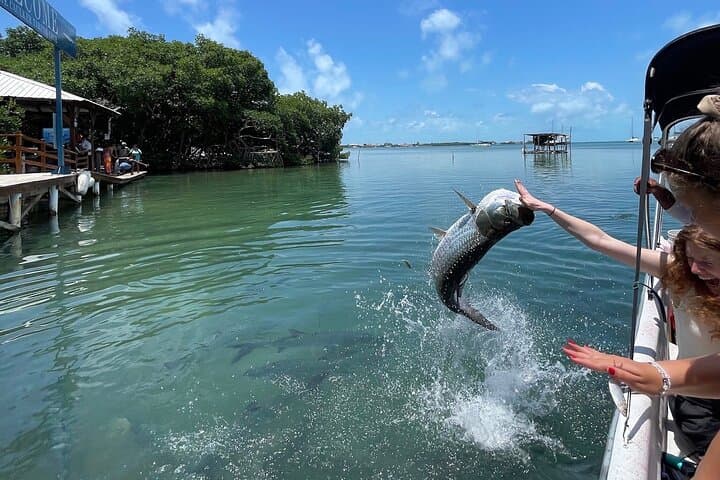
A motor skiff slips away from a sugar-white sand spit and into water the color of a wet sapphire. Within minutes the engine thins and the guide points to a shallow sand flat where tarpon roll at the surface, eyes bright; frigatebirds wheel above, daring you to look up. This three-hour island-style snorkeling and sightseeing excursion from Ambergris Caye drops you into the Belize Barrier Reef’s edge—short runs between tidal flats, coral heads and a protected channel known locally as the South Channel (CCMR).
A motor skiff slips away from a sugar-white sand spit and into water the color of a wet sapphire. Within minutes the engine thins and the guide points to a shallow sand flat where tarpon roll at the surface, eyes bright; frigatebirds wheel above, daring you to look up. This three-hour island-style snorkeling and sightseeing excursion from Ambergris Caye drops you into the Belize Barrier Reef’s edge—short runs between tidal flats, coral heads and a protected channel known locally as the South Channel (CCMR).
Belize’s reef is the western hemisphere’s largest barrier reef, formed on a submerged limestone platform and shaped by currents and centuries of coral growth. The Cayes have long been fishing and boatbuilding hubs for mestizo and Garifuna communities; today small operators blend that maritime culture with reef stewardship. Expect to see hard and soft corals, green and hawksbill turtles, southern stingrays, and nurse sharks in shallow water—animals that tolerate close, calm approaches.
Practically: the tour is three hours, with guided tarpon feeding, a 45-minute snorkel on the South Channel, and a swim with sharks and rays. Snorkel gear, bottled water, snacks, marine park entrance fee and rum punch are included. The outing is suitable for most swimmers but not recommended for pregnant travelers or those with serious heart conditions. Plan for strong sun—reef-safe sunscreen, a long-sleeve swim shirt and a quick-dry towel will make the difference. Boat transfers are short; arrive at the meeting point (look for the pink “East Wind” sign) 15 minutes early. Respect local briefings, keep movement slow near wildlife, and enjoy the tactile, up-close side of the reef responsibly.