THE ADVENTURE COLLECTIVE® · Independent discovery and booking for outdoor travel

Head to Samaná Bay between mid-January and late March for a half-day whale-watching tour that combines coastal drive, guided interpretation and responsible viewing of humpback mothers and calves.
Head to Samaná Bay between mid-January and late March for a half-day whale-watching tour that combines coastal drive, guided interpretation and responsible viewing of humpback mothers and calves.
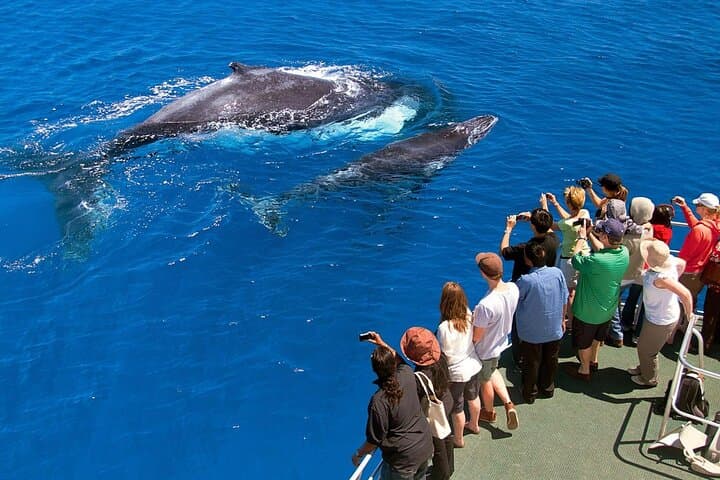
You push off from the small pier at Las Cañitas and the Caribbean opens like a dark mirror; breath-holes, tails and spouts puncture the surface while the captain eases the boat into the Humpback Whale Sanctuary.
Verified experiences and guided adventures in the surrounding area.
Operated by Adventures Finder · Samaná, Samaná Province
You push off from the small pier at Las Cañitas and the Caribbean opens like a dark mirror; breath-holes, tails and spouts puncture the surface while the captain eases the boat into the Humpback Whale Sanctuary.
Samaná Bay has been a seasonal nursery for humpbacks for centuries — whales migrate from colder North Atlantic feeding grounds to mate and calve in these warm, shallow waters. The bay’s crescent shape and underwater shelf create calm channels where mothers and calves gather, and local fishing villages have long woven whale lore into their culture.
Geologically the area is coastal limestone and mangrove-lined coves, with offshore shoals that funnel marine life and create the acoustic stages whales use to sing and communicate. The region’s conservation rules control approach distances and timing; guides are trained to minimize disturbance while sharing behavioral context — breaches, tail slaps and spy-hops become readable actions rather than random spectacle.
Practically: expect about a five-hour excursion from Punta Cana or nearby pickup points, with roughly two hours on the water in designated whale habitat. Mornings are coolest and often most active; bring layered clothing, sun protection and binoculars. Boat decks can be wet and the swell varies, so steady shoes and motion-sickness measures help.
This is a wildlife-first outing — sightings are seasonal (mid-January to late March) and dependent on animal behavior. Go with curiosity, respect observation rules, and you’ll return with clear memories of close, powerful encounters rather than photos alone.
easy.
5 hours.
Suitable for people in average physical condition; requires boarding a small to medium-sized boat and short walks to the pier.
The reliable season runs roughly January 15 to March 28, when North Atlantic humpbacks migrate into Samaná Bay to mate and nurse calves.
Itineraries typically include about two hours in the whale sanctuary, within a five-hour total tour window that covers transport and briefings.
Operators often advise that the trip is not recommended for children under 5 or pregnant travelers due to boat motion and safety constraints—check with your provider.
Typical inclusions are round-trip transport from pickup zones, a certified guide, bottled water, snacks and nonalcoholic/limited alcoholic beverages; specifics vary by operator.
Samaná Bay has long been a seasonal gathering place for humpbacks; local communities historically combined fishing with small-scale boatbuilding and have become active partners in regulated whale tourism.
Samaná is a regulated sanctuary with approach-distance rules and limits on disturbance; choose operators who follow guidelines, avoid flash photography at close range and support local conservation fees when offered.
Adventures Finder operates guided outdoor trips and adventures with an emphasis on safety, stewardship, and memorable experiences.
You push off from the small pier at Las Cañitas and the Caribbean opens like a dark mirror; breath-holes, tails and spouts puncture the surface while the captain eases the boat into the Humpback Whale Sanctuary.
You push off from the small pier at Las Cañitas and the Caribbean opens like a dark mirror; breath-holes, tails and spouts puncture the surface while the captain eases the boat into the Humpback Whale Sanctuary.
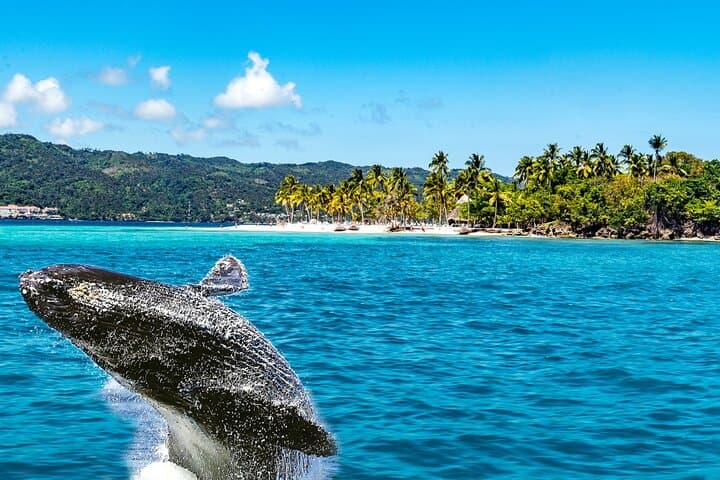
Samaná Bay has been a seasonal nursery for humpbacks for centuries — whales migrate from colder North Atlantic feeding grounds to mate and calve in these warm, shallow waters. The bay’s crescent shape and underwater shelf create calm channels where mothers and calves gather, and local fishing villages have long woven whale lore into their culture.
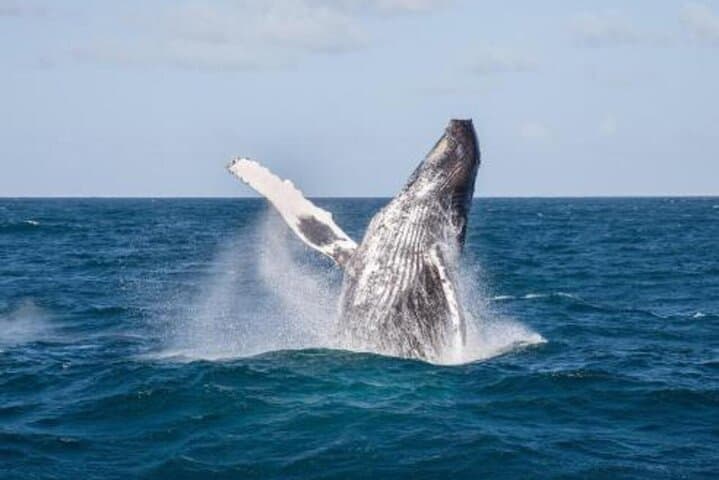
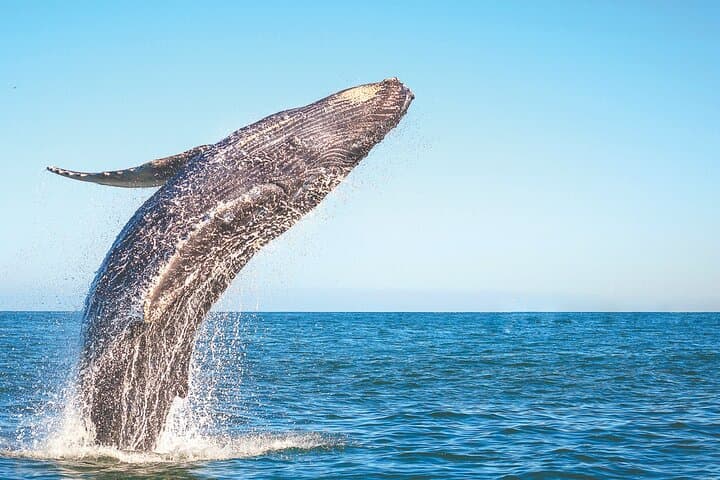
Geologically the area is coastal limestone and mangrove-lined coves, with offshore shoals that funnel marine life and create the acoustic stages whales use to sing and communicate. The region’s conservation rules control approach distances and timing; guides are trained to minimize disturbance while sharing behavioral context — breaches, tail slaps and spy-hops become readable actions rather than random spectacle.
Practically: expect about a five-hour excursion from Punta Cana or nearby pickup points, with roughly two hours on the water in designated whale habitat. Mornings are coolest and often most active; bring layered clothing, sun protection and binoculars. Boat decks can be wet and the swell varies, so steady shoes and motion-sickness measures help.
This is a wildlife-first outing — sightings are seasonal (mid-January to late March) and dependent on animal behavior. Go with curiosity, respect observation rules, and you’ll return with clear memories of close, powerful encounters rather than photos alone.