THE ADVENTURE COLLECTIVE® · Independent discovery and booking for outdoor travel

Spend four hours with experienced crew searching Moorea’s bays for humpback mothers and calves. Small-group swims are possible under strict, conservation-focused rules—expect an emotional, wildlife-first experience rather than a guaranteed encounter.
Spend four hours with experienced crew searching Moorea’s bays for humpback mothers and calves. Small-group swims are possible under strict, conservation-focused rules—expect an emotional, wildlife-first experience rather than a guaranteed encounter.
The boat slips away from Vaiare Harbor and the reef falls behind like a painted edge. Salt air sharpens your attention; the captain listens for low, haunting song and watches the glassy horizon where dark shapes rise to breathe. In Moorea, the ocean feels like a living room—inviting, but with rules.
Verified experiences and guided adventures in the surrounding area.
Operated by TAMA TOURS MOOREA · Maharepa, Society Islands
The boat slips away from Vaiare Harbor and the reef falls behind like a painted edge. Salt air sharpens your attention; the captain listens for low, haunting song and watches the glassy horizon where dark shapes rise to breathe. In Moorea, the ocean feels like a living room—inviting, but with rules.
Moorea’s bays were carved by volcanic uplift and reef growth; the deep channels provide a safe nursery for humpback calves that migrate from Antarctic feeding grounds. Polynesian communities have long treated whales with deference, seeing them as visitors and kin of the sea—an idea echoed in modern local guidelines and the crew’s pre-dive briefing.
Expect an intimate, conservation-first outing: a certified guide explains approach distances, brief signals, and why mother–calf privacy matters. The tour runs about four hours, scanning channels and bays; if conditions allow, small groups enter the water under strict supervision. Water temperatures are mild, but currents and whale behavior determine access—this is wildlife watching, not a guaranteed swim.
Practical: arrive with reef-safe sunscreen, a well-fitting mask, and a willingness to follow crew direction. Cameras are welcome but keep movements slow and voices low; avoid sudden splashes. If you prefer, stay on board and watch calves surface and breach—their tails and blows will puncture the quiet.
This half-day balances thrill and restraint: a rare chance to observe humpbacks in their calving grounds while supporting local practices that prioritize the animals’ safety and the lagoon’s health.
moderate.
4 hours.
Moderate fitness recommended—comfortable in open water and able to enter/exit a small boat repeatedly.
No—humpbacks are wild and approach conditions depend on animal behavior and safety assessments; the crew will only launch swims when conditions are appropriate.
Peak calving and breeding season is roughly June through November, with highest chances for mother–calf encounters in the austral winter months.
By current regulations, up to six participants may be allowed in the water at a time; the boat groups swimmers to minimize disturbance to the animals.
Children and non‑swimmers can join but must follow crew guidance; infants must sit on laps and non‑swimmers can observe from the boat instead of entering the water.
Moorea’s bays formed from volcanic activity and reef growth; humpback visits tie into millennia-old Polynesian sea traditions and seasonal migration patterns.
Tours operate under strict approach rules to reduce stress on mother–calf pairs; choose operators who limit swimmer groups and prioritize non‑invasive observation.
TAMA TOURS MOOREA operates guided outdoor trips and adventures with an emphasis on safety, stewardship, and memorable experiences.

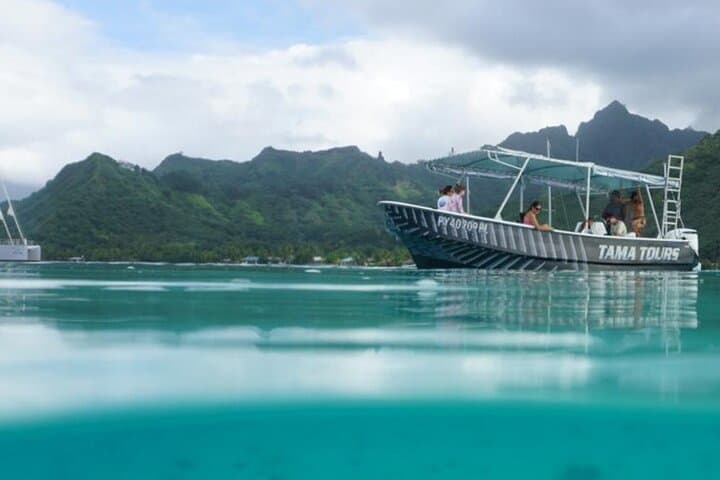

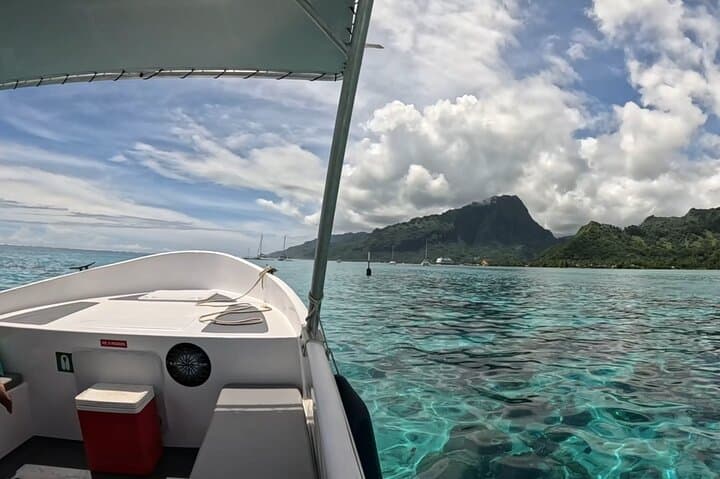
The boat slips away from Vaiare Harbor and the reef falls behind like a painted edge. Salt air sharpens your attention; the captain listens for low, haunting song and watches the glassy horizon where dark shapes rise to breathe. In Moorea, the ocean feels like a living room—inviting, but with rules.
The boat slips away from Vaiare Harbor and the reef falls behind like a painted edge. Salt air sharpens your attention; the captain listens for low, haunting song and watches the glassy horizon where dark shapes rise to breathe. In Moorea, the ocean feels like a living room—inviting, but with rules.
Moorea’s bays were carved by volcanic uplift and reef growth; the deep channels provide a safe nursery for humpback calves that migrate from Antarctic feeding grounds. Polynesian communities have long treated whales with deference, seeing them as visitors and kin of the sea—an idea echoed in modern local guidelines and the crew’s pre-dive briefing.
Expect an intimate, conservation-first outing: a certified guide explains approach distances, brief signals, and why mother–calf privacy matters. The tour runs about four hours, scanning channels and bays; if conditions allow, small groups enter the water under strict supervision. Water temperatures are mild, but currents and whale behavior determine access—this is wildlife watching, not a guaranteed swim.
Practical: arrive with reef-safe sunscreen, a well-fitting mask, and a willingness to follow crew direction. Cameras are welcome but keep movements slow and voices low; avoid sudden splashes. If you prefer, stay on board and watch calves surface and breach—their tails and blows will puncture the quiet.
This half-day balances thrill and restraint: a rare chance to observe humpbacks in their calving grounds while supporting local practices that prioritize the animals’ safety and the lagoon’s health.