THE ADVENTURE COLLECTIVE® · Independent discovery and booking for outdoor travel

A morning transfer from Richards Bay puts you into Hluhluwe‑iMfolozi’s rolling hills and river valleys where the Big Five roam. This half‑day game drive pairs close wildlife sightings with a short history of rhino conservation.
A morning transfer from Richards Bay puts you into Hluhluwe‑iMfolozi’s rolling hills and river valleys where the Big Five roam. This half‑day game drive pairs close wildlife sightings with a short history of rhino conservation.
You roll out of Richards Bay at first light and the road slices through sugarcane into open country. By the time you crest the reserve boundary the air changes—drier, sharper; bushveld scents lift and a lonesome eland pauses at a distant ridge, watching you as you watch back.
Verified experiences and guided adventures in the surrounding area.
Operated by African Cape Safaris · Hluhluwe, KwaZulu-Natal
You roll out of Richards Bay at first light and the road slices through sugarcane into open country. By the time you crest the reserve boundary the air changes—drier, sharper; bushveld scents lift and a lonesome eland pauses at a distant ridge, watching you as you watch back.
Hluhluwe‑iMfolozi is South Africa’s oldest proclaimed game reserve and the stage for one of conservation’s quiet victories: a focused rhino protection program that helped pull the white rhino back from the brink. Geologically the park is a sequence of rolling hills, river valleys and evergreen patches of riverine thicket shaped by ancient coastal plains; that variation concentrates game and makes each bend a potential sighting.
The land still carries Zulu place‑names and grazing histories—local communities and guides bring context to animal behavior and seasonal movements. Expect wide-open grassland that gives way to shaded riverlines where herds gather; predators use the higher ground to survey prey.
Practical guidance: this is a vehicle-based game drive (about 6–8 hours including transfer and lunch stop). Bring binoculars, layered clothing for morning chill turning to midday sun, and cash for a park lunch if not included. Vehicles can bump along graded tracks—stable footwear helps during short stops. Keep your camera ready but quiet; guides often spot animals before you do.
Timing matters: mornings are cooler and wildlife-active; midmorning light suits photography. Respect distance rules, follow your guide’s instructions around big game, and treat the reserve as a working conservation landscape—leave no trace and keep noise to a minimum.
easy.
6–8 hours.
Light fitness—mostly seated in a vehicle with short walks during stops; suitable for most travelers.
The tour typically departs early (around 7:30am) and the round trip including game drive and a lunch break runs about 6–8 hours depending on sightings and traffic.
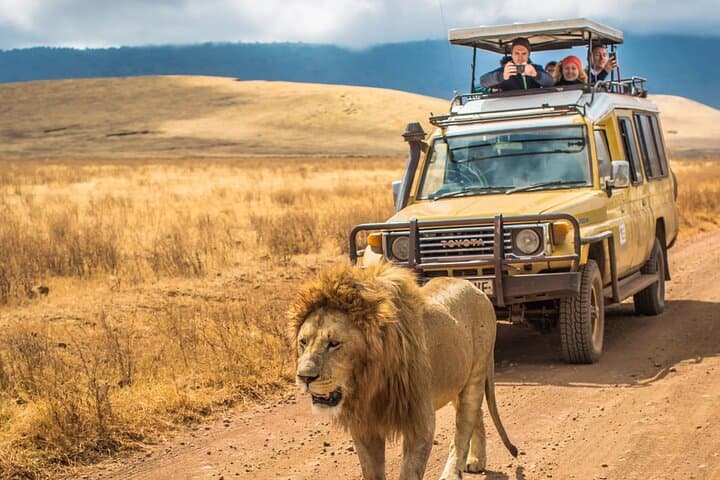
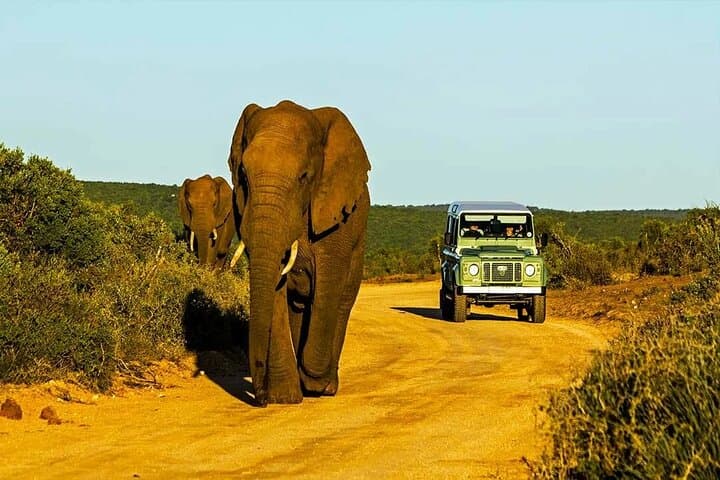
Hluhluwe‑iMfolozi is home to the Big Five, but sightings cannot be guaranteed—guides maximize chances by using local knowledge of recent movements.
The provider lists wheelchair‑accessible transport and areas, but mobility requirements vary—confirm pickup details and any assistance needs before booking.
Hluhluwe is in KwaZulu‑Natal where malaria risk exists seasonally; consult a travel health clinic for current advice on prophylaxis and prevention measures.
Founded in the late 19th century, Hluhluwe‑iMfolozi became a conservation focal point for rhino protection and species reintroduction efforts in South Africa.
The reserve is active in anti‑poaching operations and habitat management; visitors support conservation through park fees and responsible behavior that minimizes disturbance.
African Cape Safaris operates guided outdoor trips and adventures with an emphasis on safety, stewardship, and memorable experiences.
You roll out of Richards Bay at first light and the road slices through sugarcane into open country. By the time you crest the reserve boundary the air changes—drier, sharper; bushveld scents lift and a lonesome eland pauses at a distant ridge, watching you as you watch back.
You roll out of Richards Bay at first light and the road slices through sugarcane into open country. By the time you crest the reserve boundary the air changes—drier, sharper; bushveld scents lift and a lonesome eland pauses at a distant ridge, watching you as you watch back.
Hluhluwe‑iMfolozi is South Africa’s oldest proclaimed game reserve and the stage for one of conservation’s quiet victories: a focused rhino protection program that helped pull the white rhino back from the brink. Geologically the park is a sequence of rolling hills, river valleys and evergreen patches of riverine thicket shaped by ancient coastal plains; that variation concentrates game and makes each bend a potential sighting.
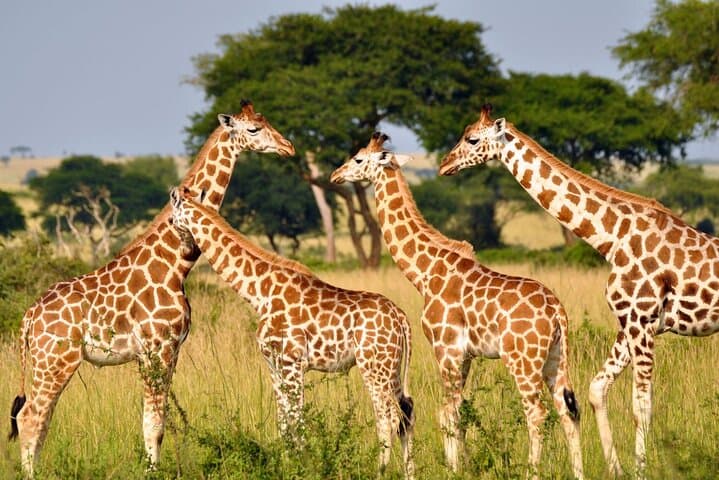
The land still carries Zulu place‑names and grazing histories—local communities and guides bring context to animal behavior and seasonal movements. Expect wide-open grassland that gives way to shaded riverlines where herds gather; predators use the higher ground to survey prey.
Practical guidance: this is a vehicle-based game drive (about 6–8 hours including transfer and lunch stop). Bring binoculars, layered clothing for morning chill turning to midday sun, and cash for a park lunch if not included. Vehicles can bump along graded tracks—stable footwear helps during short stops. Keep your camera ready but quiet; guides often spot animals before you do.
Timing matters: mornings are cooler and wildlife-active; midmorning light suits photography. Respect distance rules, follow your guide’s instructions around big game, and treat the reserve as a working conservation landscape—leave no trace and keep noise to a minimum.