THE ADVENTURE COLLECTIVE® · Independent discovery and booking for outdoor travel

Spend a half‑day game drive from Richards Bay into Hluhluwe‑Imfolozi, Africa’s oldest reserve. Expect rolling hills, targeted sightings of rhino and elephant, and a practical, vehicle‑based safari that emphasizes conservation and close observation.
Spend a half‑day game drive from Richards Bay into Hluhluwe‑Imfolozi, Africa’s oldest reserve. Expect rolling hills, targeted sightings of rhino and elephant, and a practical, vehicle‑based safari that emphasizes conservation and close observation.
Dust from the morning road lifts as the minibus eases through the gate and the reserve opens like a living map—hills roll, grass ripples and a distant herd shifts as if agreeing to let you pass.
Verified experiences and guided adventures in the surrounding area.
Operated by Africa Top Tours · Hluhluwe, KwaZulu-Natal
Dust from the morning road lifts as the minibus eases through the gate and the reserve opens like a living map—hills roll, grass ripples and a distant herd shifts as if agreeing to let you pass.
Hluhluwe‑Imfolozi is the oldest proclaimed nature reserve in Africa (est. 1895), a 98,000‑hectare patchwork of savannah and thicket carved by rivers and time. The park’s geology is modest but telling: rounded hills, sandstone outcrops and riverine valleys that favor dense browse and waterholes—features that keep large mammals moving on predictable routes. The reserve sits in Zululand, an area rich in Zulu history and contemporary rural life; local guides often weave natural history with cultural context on drives.
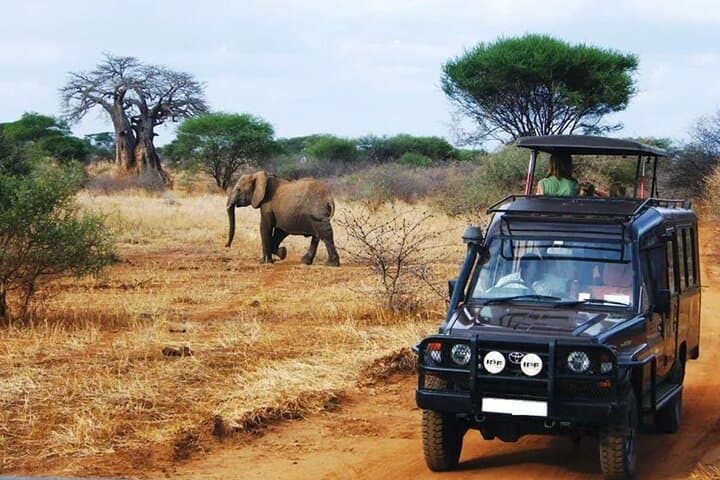
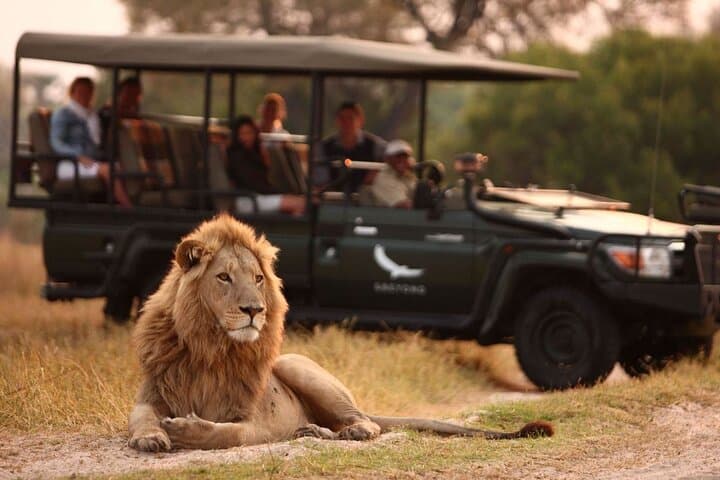
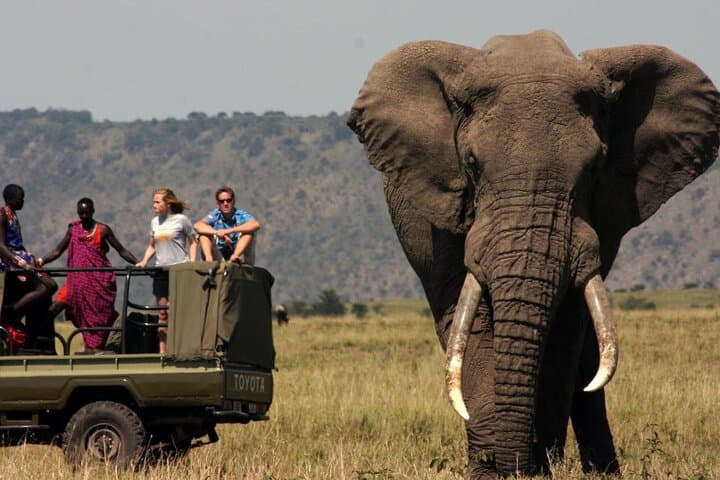
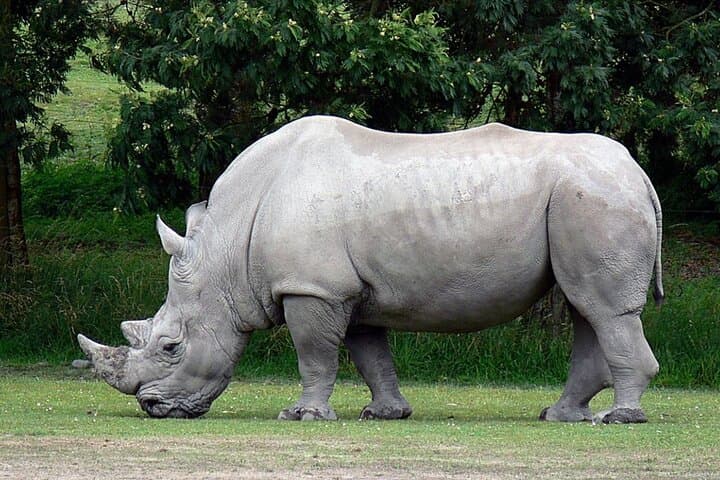
The park is famed for white rhino conservation—the centenary capture centre is a living archive of hands‑on protection—and for consistent sightings of the so‑called Big Five across open ridgelines and shaded valleys. Game drives are paced: binoculars up for a still pride at dawn, cameras down when elephants move close, engines low to respect the animals’ rhythm.
Practical edge: this half‑day run from Richards Bay is a vehicle‑based safari—expect seven hours including transfers, mostly on gravel and park roads. Wear sun protection, bring water and wildlife‑friendly optics, and keep movement and noise to a minimum; early morning departures increase chances of predators and active megafauna. Photography benefits from a 200–400mm lens and a steady elbow; phone cameras work for closer subjects. The reserve rewards patience: the landscape doesn’t rush, and neither should you.
easy.
7 hours.
Suitable for travelers in normal, everyday fitness—mostly seated vehicle time with short transfers.
The booking lists a fixed duration of about seven hours; departures commonly leave around 7:00 AM from Richards Bay to maximize wildlife activity.
Hluhluwe‑Imfolozi is one of the best places for Big Five sightings, but wildlife is never guaranteed—rhinos and elephants are common, while lions and leopards depend on time of day and luck.
Yes—this operator notes wheelchair accessibility for transport and sites and lists the activity as suitable for all fitness levels; infants typically sit on laps.
For a full refund cancel at least 24 hours before departure; cancellations within 24 hours are not refundable per the standard policy.
Established in 1895, the reserve played a pivotal role in rhino conservation and is one of Africa’s earliest formal protected areas.
Active conservation programs focus on white rhino protection and anti‑poaching patrols; visitors are asked to minimize disturbance and support park rules.
Africa Top Tours operates guided outdoor trips and adventures with an emphasis on safety, stewardship, and memorable experiences.
Dust from the morning road lifts as the minibus eases through the gate and the reserve opens like a living map—hills roll, grass ripples and a distant herd shifts as if agreeing to let you pass.
Dust from the morning road lifts as the minibus eases through the gate and the reserve opens like a living map—hills roll, grass ripples and a distant herd shifts as if agreeing to let you pass.
Hluhluwe‑Imfolozi is the oldest proclaimed nature reserve in Africa (est. 1895), a 98,000‑hectare patchwork of savannah and thicket carved by rivers and time. The park’s geology is modest but telling: rounded hills, sandstone outcrops and riverine valleys that favor dense browse and waterholes—features that keep large mammals moving on predictable routes. The reserve sits in Zululand, an area rich in Zulu history and contemporary rural life; local guides often weave natural history with cultural context on drives.
The park is famed for white rhino conservation—the centenary capture centre is a living archive of hands‑on protection—and for consistent sightings of the so‑called Big Five across open ridgelines and shaded valleys. Game drives are paced: binoculars up for a still pride at dawn, cameras down when elephants move close, engines low to respect the animals’ rhythm.
Practical edge: this half‑day run from Richards Bay is a vehicle‑based safari—expect seven hours including transfers, mostly on gravel and park roads. Wear sun protection, bring water and wildlife‑friendly optics, and keep movement and noise to a minimum; early morning departures increase chances of predators and active megafauna. Photography benefits from a 200–400mm lens and a steady elbow; phone cameras work for closer subjects. The reserve rewards patience: the landscape doesn’t rush, and neither should you.