THE ADVENTURE COLLECTIVE® · Independent discovery and booking for outdoor travel

Accessible, high, and uncompromisingly scenic—Viševnik offers over-2,000-meter alpine views without technical climbing. This half-day small-group hike uses the gentle south approach to deliver Triglav panoramas in a family-friendly package.
Accessible, high, and uncompromisingly scenic—Viševnik offers over-2,000-meter alpine views without technical climbing. This half-day small-group hike uses the gentle south approach to deliver Triglav panoramas in a family-friendly package.
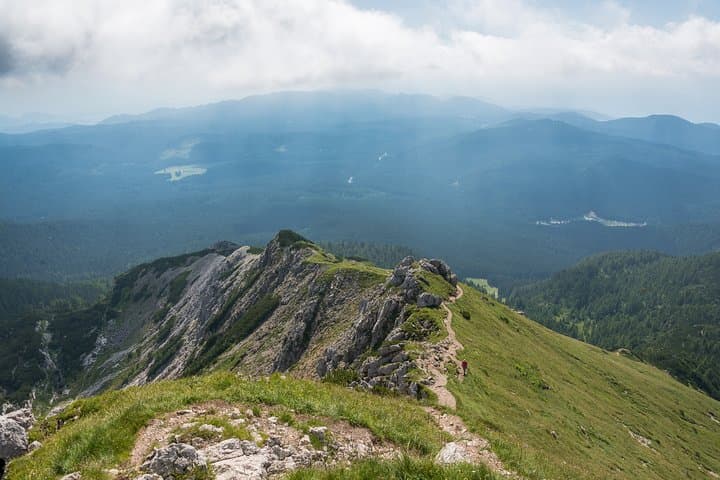
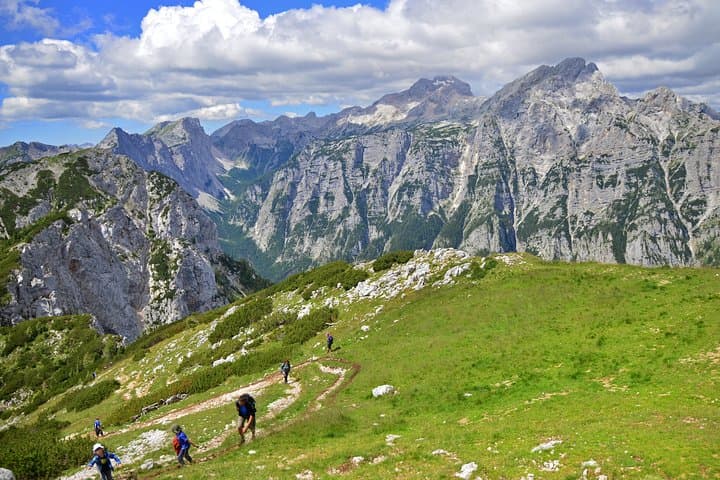
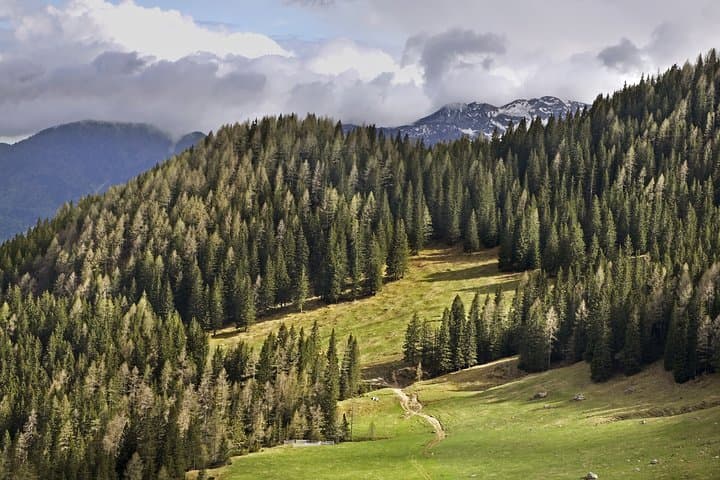
You step off the transfer near a green plateau and the mountain opens ahead—Viševnik’s south flank rising in a steady, walkable slope. Pine scents and the distant clatter of rock underfoot set the pace as the group eases upward, the trail switching through open meadows and short forested stretches before the ridge widens and the high peaks of the Julian Alps slide into view.
Verified experiences and guided adventures in the surrounding area.
Operated by Slovenia Activities · Bled, Upper Carniola
You step off the transfer near a green plateau and the mountain opens ahead—Viševnik’s south flank rising in a steady, walkable slope. Pine scents and the distant clatter of rock underfoot set the pace as the group eases upward, the trail switching through open meadows and short forested stretches before the ridge widens and the high peaks of the Julian Alps slide into view.
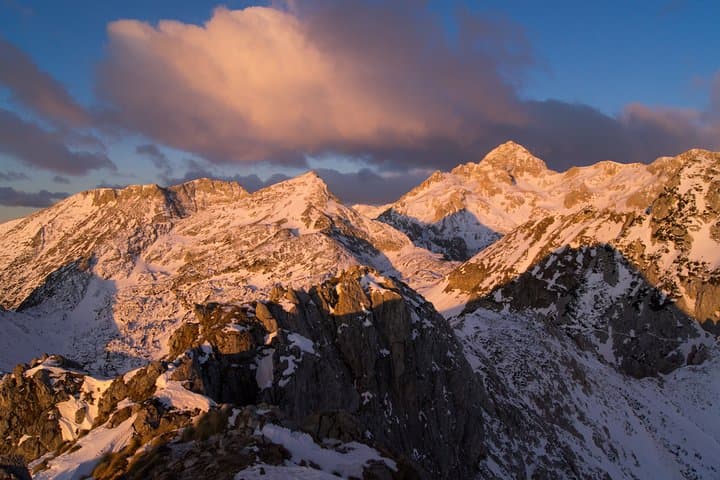
Viševnik stands just over 2,000 meters (around 6,500 feet), and its accessible south approach has long made it a favorite for families and hikers new to alpine terrain. Geologically the peak is part of the limestone Julian Alps; expect steep rock outcrops near the summit and broad panoramic benches that reveal Triglav’s three-headed silhouette and neighboring summits. Culturally the area is shaped by Alpine pastoralism—sheep tracks and old shepherd huts still punctuate the slopes.
Practically, the standard half-day route is about 8 km round-trip with roughly 600–800 m of elevation gain, mostly on well-marked paths with occasional loose scree. Weather shifts quickly above treeline; morning starts yield still air and the best visibility. Carry 1–1.5 liters of water, layered clothing, and sturdy hiking shoes; poles help on the descent. The tour’s small-group format and transfers from Bled make logistics simple—arrive with a light pack, a charged phone, and a head for heights.
On clear days the summit bench rewards steady effort with one of the most immediate, panoramic views in the Julian Alps—manageable, scenic, and distinctly alpine.
easy.
4–5 hours.
Suitable for most recreational hikers and families who can sustain steady uphill walking for several hours.
The south approach is gentle and considered suitable for beginners and families; expect steady uphill walking but no technical climbing.
Yes—popular Viševnik routes are well defined and waymarked, though navigation can be harder in fog or after heavy snow.
On clear days Triglav is visible from Viševnik’s summit bench and surrounding ridges, offering an excellent alpine panorama.
No permits are required; this tour includes a professional guide and transfer, which simplifies logistics for first-time visitors.
The Julian Alps have long been a grazing and transit landscape; older shepherd routes and wartime paths cross the area and influenced local place names.
Trails pass sensitive alpine meadows—stick to marked paths and pack out waste to protect fragile flora and reduce erosion.
Slovenia Activities operates guided outdoor trips and adventures with an emphasis on safety, stewardship, and memorable experiences.
You step off the transfer near a green plateau and the mountain opens ahead—Viševnik’s south flank rising in a steady, walkable slope. Pine scents and the distant clatter of rock underfoot set the pace as the group eases upward, the trail switching through open meadows and short forested stretches before the ridge widens and the high peaks of the Julian Alps slide into view.
You step off the transfer near a green plateau and the mountain opens ahead—Viševnik’s south flank rising in a steady, walkable slope. Pine scents and the distant clatter of rock underfoot set the pace as the group eases upward, the trail switching through open meadows and short forested stretches before the ridge widens and the high peaks of the Julian Alps slide into view.
Viševnik stands just over 2,000 meters (around 6,500 feet), and its accessible south approach has long made it a favorite for families and hikers new to alpine terrain. Geologically the peak is part of the limestone Julian Alps; expect steep rock outcrops near the summit and broad panoramic benches that reveal Triglav’s three-headed silhouette and neighboring summits. Culturally the area is shaped by Alpine pastoralism—sheep tracks and old shepherd huts still punctuate the slopes.
Practically, the standard half-day route is about 8 km round-trip with roughly 600–800 m of elevation gain, mostly on well-marked paths with occasional loose scree. Weather shifts quickly above treeline; morning starts yield still air and the best visibility. Carry 1–1.5 liters of water, layered clothing, and sturdy hiking shoes; poles help on the descent. The tour’s small-group format and transfers from Bled make logistics simple—arrive with a light pack, a charged phone, and a head for heights.
On clear days the summit bench rewards steady effort with one of the most immediate, panoramic views in the Julian Alps—manageable, scenic, and distinctly alpine.