THE ADVENTURE COLLECTIVE® · Independent discovery and booking for outdoor travel

Step out of Chefchaouen’s blue medina and onto local shepherd trails that climb into the Rif. This half-day hike delivers sweeping views, quiet viewpoints, and a close look at mountain life around the Blue City.
Step out of Chefchaouen’s blue medina and onto local shepherd trails that climb into the Rif. This half-day hike delivers sweeping views, quiet viewpoints, and a close look at mountain life around the Blue City.
You leave the blue alleys behind and the city folds down beneath you: roofs of indigo and white, a ribbon of market noise shrinking into the valley. The trail climbs through terraces of scrub and stone, shrubs scraping your sleeves, the Rif Mountains opening a line of ridges that dare you higher. Wind moves across the slopes like a guide, pushing you toward a handful of viewpoints that look back over Chefchaouen’s medina, blue blocks stacked against the green of pine and cork oak.
Verified experiences and guided adventures in the surrounding area.
Operated by Chefchaouen tour and photographer · Chefchaouen, Tanger-Tetouan-Al Hoceima
You leave the blue alleys behind and the city folds down beneath you: roofs of indigo and white, a ribbon of market noise shrinking into the valley. The trail climbs through terraces of scrub and stone, shrubs scraping your sleeves, the Rif Mountains opening a line of ridges that dare you higher. Wind moves across the slopes like a guide, pushing you toward a handful of viewpoints that look back over Chefchaouen’s medina, blue blocks stacked against the green of pine and cork oak.
The Rif are geologically young, folded from African–Eurasian collisions; rocky limestone and schist create short, steep ridges and quick drainage that shapes local trails. Chefchaouen itself dates to the 15th century, founded by refugees from Andalusia; the town’s blue tradition and Berber mountain culture intersect here in food, stories, and the shepherd paths you’ll follow. Local guides often use routes known to families rather than the tourist tracks, which keeps the experience quieter and more personal.
Practically, expect a steady climb on mixed dirt and rock underfoot and several exposed ridgelines with sweeping views. Typical half-day hikes in this area cover moderate distances with 400–600 m of ascent over 6–7 hours round trip depending on route choice. Bring sturdy footwear, carry 1–2 liters of water, and plan for sun and wind exposure—temperatures swing fast at elevation. Start early to avoid midday heat, wear layers for changing conditions, and leave no trace: these trails are living routes for herders and wildlife as well as for visitors.
moderate.
6–7 hours.
Suitable for beginners with reasonable aerobic fitness; able to manage sustained uphill hiking and uneven terrain.
Most routes are moderate—steady climbs and uneven footing. It’s suitable for fit beginners and intermediate hikers guided at an easy pace.
Hikes typically start in Chefchaouen’s town center or a nearby trailhead and return to the city; exact meeting point is provided by the operator.
Older children who are comfortable walking on uneven terrain can usually join; check with the operator about group age limits and supervision.
Local guides know route variations, private trails, and viewpoints, and provide cultural context—recommended for navigation and local insight.
Chefchaouen was founded in the 15th century by Andalusian exiles and blends Berber mountain life with Spanish-Moorish influences evident in architecture and local crafts.
Trails here are vulnerable to erosion and overuse; stick to established paths, avoid littering, and minimize disturbance to grazing lands and wildlife.
Chefchaouen tour and photographer operates guided outdoor trips and adventures with an emphasis on safety, stewardship, and memorable experiences.
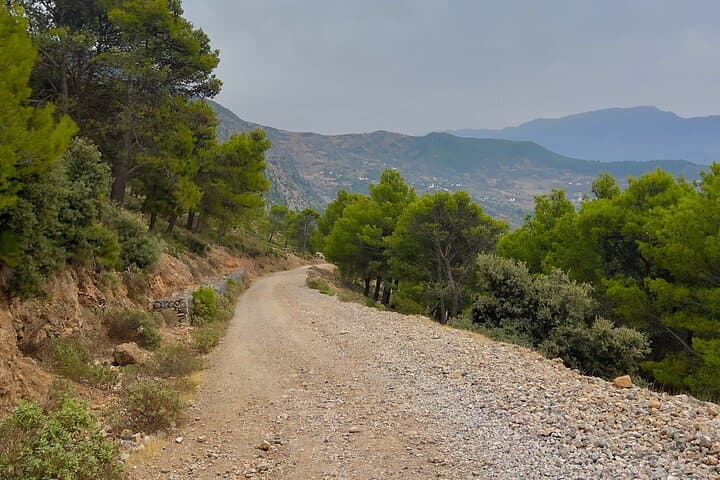
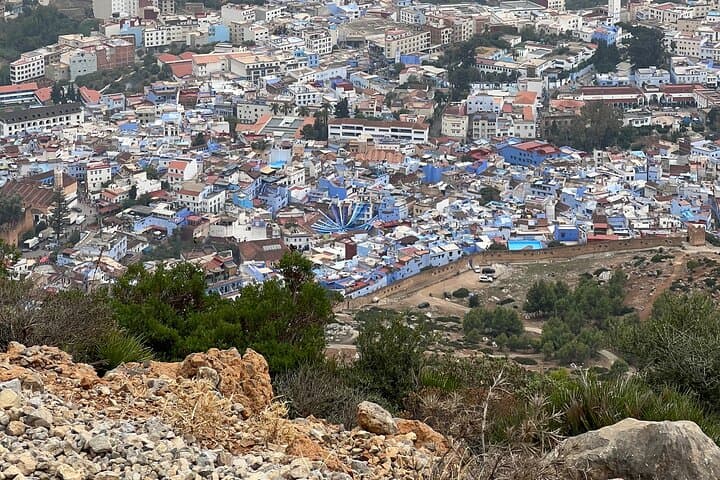
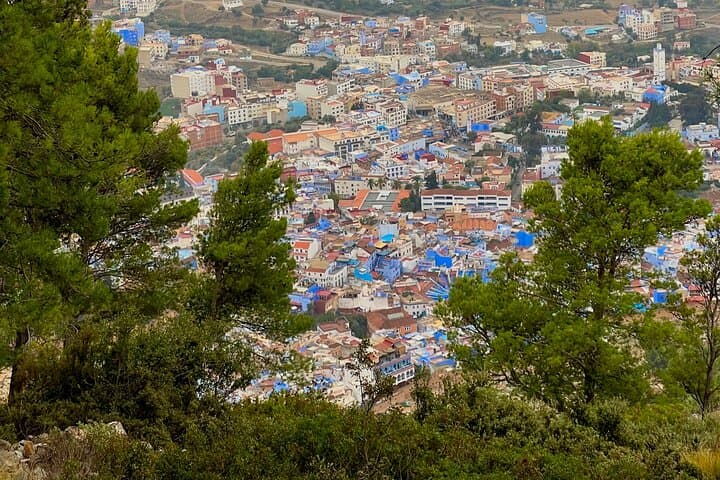
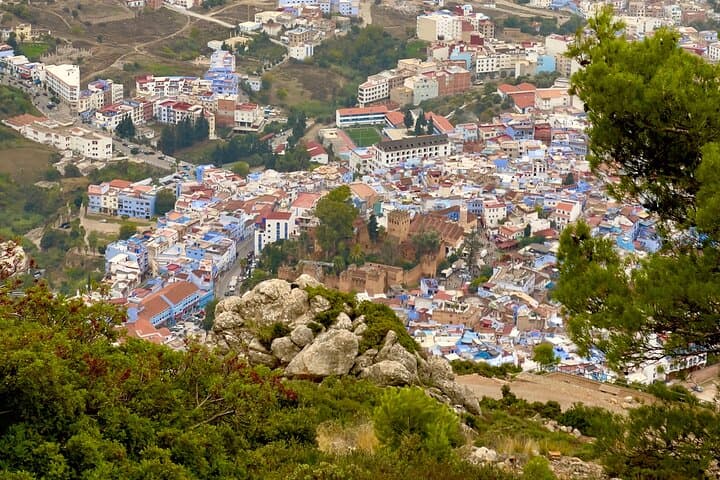
You leave the blue alleys behind and the city folds down beneath you: roofs of indigo and white, a ribbon of market noise shrinking into the valley. The trail climbs through terraces of scrub and stone, shrubs scraping your sleeves, the Rif Mountains opening a line of ridges that dare you higher. Wind moves across the slopes like a guide, pushing you toward a handful of viewpoints that look back over Chefchaouen’s medina, blue blocks stacked against the green of pine and cork oak.
You leave the blue alleys behind and the city folds down beneath you: roofs of indigo and white, a ribbon of market noise shrinking into the valley. The trail climbs through terraces of scrub and stone, shrubs scraping your sleeves, the Rif Mountains opening a line of ridges that dare you higher. Wind moves across the slopes like a guide, pushing you toward a handful of viewpoints that look back over Chefchaouen’s medina, blue blocks stacked against the green of pine and cork oak.
The Rif are geologically young, folded from African–Eurasian collisions; rocky limestone and schist create short, steep ridges and quick drainage that shapes local trails. Chefchaouen itself dates to the 15th century, founded by refugees from Andalusia; the town’s blue tradition and Berber mountain culture intersect here in food, stories, and the shepherd paths you’ll follow. Local guides often use routes known to families rather than the tourist tracks, which keeps the experience quieter and more personal.
Practically, expect a steady climb on mixed dirt and rock underfoot and several exposed ridgelines with sweeping views. Typical half-day hikes in this area cover moderate distances with 400–600 m of ascent over 6–7 hours round trip depending on route choice. Bring sturdy footwear, carry 1–2 liters of water, and plan for sun and wind exposure—temperatures swing fast at elevation. Start early to avoid midday heat, wear layers for changing conditions, and leave no trace: these trails are living routes for herders and wildlife as well as for visitors.