THE ADVENTURE COLLECTIVE® · Independent discovery and booking for outdoor travel

A brisk half-day hike from Pokhara’s Lakeside to Sarangkot delivers sweeping Annapurna and Dhaulagiri panoramas with minimal logistics. Ideal for photographers and casual trekkers, this route mixes forested trails, terraced fields and village encounters.
A brisk half-day hike from Pokhara’s Lakeside to Sarangkot delivers sweeping Annapurna and Dhaulagiri panoramas with minimal logistics. Ideal for photographers and casual trekkers, this route mixes forested trails, terraced fields and village encounters.
You leave Lakeside before dawn, the town's lamps dimming as the path climbs into cool pine and rhododendron. Villagers stir; terraces step away below like stacked fields. As you gain elevation the silhouette of the Annapurna and Dhaulagiri ranges sharpens, ridgelines catching early light while Phewa Lake glints far beneath — Sarangkot’s viewpoint pulls you forward.
Verified experiences and guided adventures in the surrounding area.
Operated by CAN Travels · Pokhara, Gandaki Province
You leave Lakeside before dawn, the town's lamps dimming as the path climbs into cool pine and rhododendron. Villagers stir; terraces step away below like stacked fields. As you gain elevation the silhouette of the Annapurna and Dhaulagiri ranges sharpens, ridgelines catching early light while Phewa Lake glints far beneath — Sarangkot’s viewpoint pulls you forward.
Sarangkot has long been a local vantage for mountain watching and paragliding; the ridge is formed from uplifted river deposits and weathered bedrock that create a steady, moderate grade. Culturally, the route threads small Gurung and Brahmin villages where you may pass farmers, stone walls and prayer flags. The area’s human history ties to hill agriculture and trade routes that linked the Pokhara valley to higher Himalayan passes.
Expect uneven dirt tracks, stepped stone sections and short, breathy switchbacks over about 4–5 hours round trip with roughly 300–500 m of elevation gain depending on route. Pace yourself on the ascent; the air thins subtly and the sun can intensify quickly. Hydrate early, use trekking poles for steadier footing on loose descents, and plan to arrive at Sarangkot an hour before sunrise or late afternoon for softer light.
Logistics: many operators offer hotel pickup from Lakeside; entrance is straightforward and guides can point out peaks and local lore. Leave no trace: stick to trails, pack out wrappers and respect farm plots. The viewpoint rewards effort with wide Himalayan panoramas and a clear sense of standing above the valley’s daily rhythm.
moderate.
4–5 hours.
Suitable for hikers with basic aerobic fitness; expect sustained uphill walking and short steep sections.
Typical round trip is 4–5 hours with roughly 300–500 meters of elevation gain depending on the exact trail taken from Lakeside.
No permit is required for this local trail; a licensed guide enhances local insight and logistics, and many operators include pickup from Lakeside.
The route is suitable for beginners in reasonable fitness, but expect uneven terrain; young children should be supervised and may find the ascent tiring.
Arrive at Sarangkot before sunrise for classic mountain light or late afternoon for golden-hour views and fewer clouds.
Sarangkot developed as a local lookout and later a paragliding launch; the ridge sits above traditional Gurung and Brahmin farming communities that shaped the valley’s terraces.
Stay on established trails to prevent erosion of fragile hill slopes; bring out all waste and support local businesses to benefit community conservation efforts.
CAN Travels operates guided outdoor trips and adventures with an emphasis on safety, stewardship, and memorable experiences.
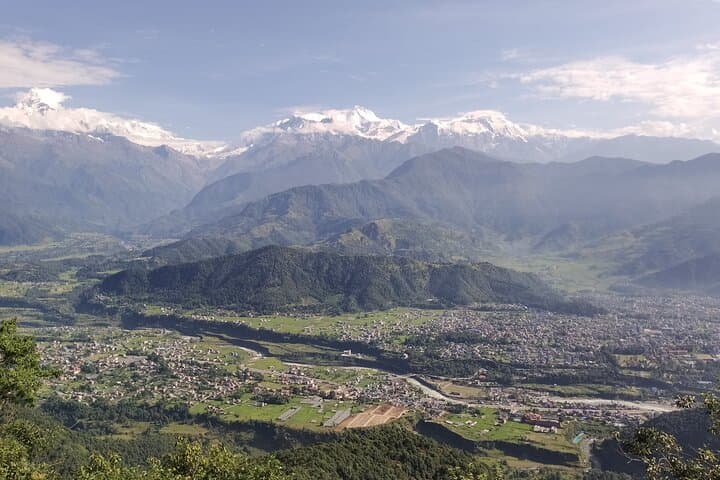
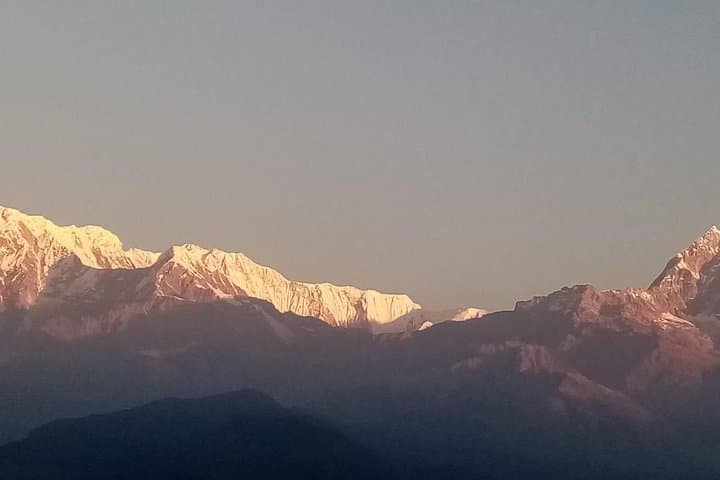
You leave Lakeside before dawn, the town's lamps dimming as the path climbs into cool pine and rhododendron. Villagers stir; terraces step away below like stacked fields. As you gain elevation the silhouette of the Annapurna and Dhaulagiri ranges sharpens, ridgelines catching early light while Phewa Lake glints far beneath — Sarangkot’s viewpoint pulls you forward.
You leave Lakeside before dawn, the town's lamps dimming as the path climbs into cool pine and rhododendron. Villagers stir; terraces step away below like stacked fields. As you gain elevation the silhouette of the Annapurna and Dhaulagiri ranges sharpens, ridgelines catching early light while Phewa Lake glints far beneath — Sarangkot’s viewpoint pulls you forward.
Sarangkot has long been a local vantage for mountain watching and paragliding; the ridge is formed from uplifted river deposits and weathered bedrock that create a steady, moderate grade. Culturally, the route threads small Gurung and Brahmin villages where you may pass farmers, stone walls and prayer flags. The area’s human history ties to hill agriculture and trade routes that linked the Pokhara valley to higher Himalayan passes.
Expect uneven dirt tracks, stepped stone sections and short, breathy switchbacks over about 4–5 hours round trip with roughly 300–500 m of elevation gain depending on route. Pace yourself on the ascent; the air thins subtly and the sun can intensify quickly. Hydrate early, use trekking poles for steadier footing on loose descents, and plan to arrive at Sarangkot an hour before sunrise or late afternoon for softer light.
Logistics: many operators offer hotel pickup from Lakeside; entrance is straightforward and guides can point out peaks and local lore. Leave no trace: stick to trails, pack out wrappers and respect farm plots. The viewpoint rewards effort with wide Himalayan panoramas and a clear sense of standing above the valley’s daily rhythm.