THE ADVENTURE COLLECTIVE® · Independent discovery and booking for outdoor travel

Spend four hours moving between Muscat's most photographed sites: the Grand Mosque, Mutrah Souq and coastal forts. This practical guide tells you what to expect, how to prepare, and where to find the city's quieter moments.
Spend four hours moving between Muscat's most photographed sites: the Grand Mosque, Mutrah Souq and coastal forts. This practical guide tells you what to expect, how to prepare, and where to find the city's quieter moments.
You step from an air-conditioned vehicle onto sun-warmed pavement and the city exhales—salt from the Sea of Oman, the bright tang of frankincense, and the distant clack of a dhow's rigging.
Verified experiences and guided adventures in the surrounding area.
Operated by Old Muscat Tourism · Muscat, Muscat Governorate
You step from an air-conditioned vehicle onto sun-warmed pavement and the city exhales—salt from the Sea of Oman, the bright tang of frankincense, and the distant clack of a dhow's rigging.
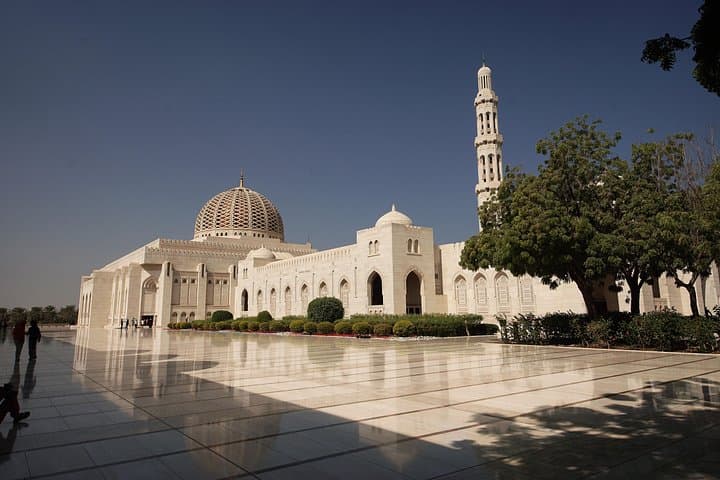
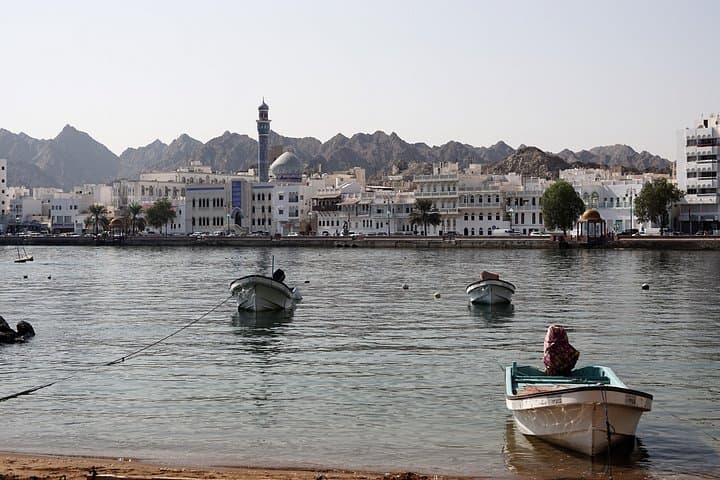
This half-day loop moves quickly through Muscat's contrasts: the Sultan Qaboos Grand Mosque's polished marble and geometric calm, Mutrah Souq's narrow alleys where spices and silver compete for attention, and the weathered forts that stand watch over a coastline carved from ancient limestone and volcanic rock. Historically a maritime crossroads, Muscat grew on trade—pearls, frankincense and seafaring know-how—so each fort and palace signals a chapter in Oman's coastal story.
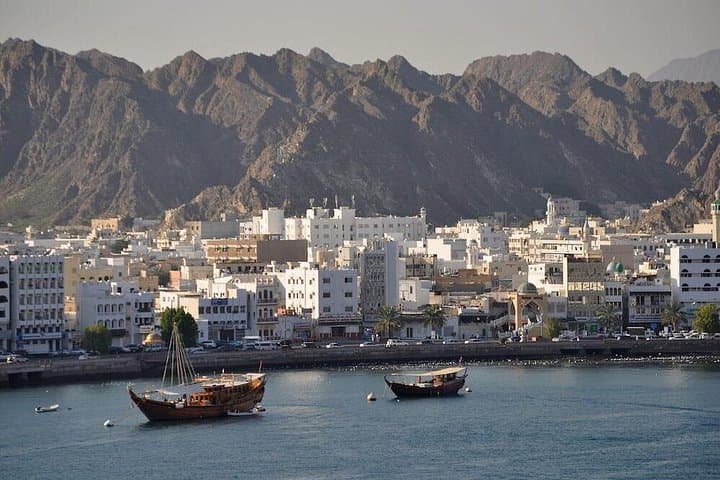
Geologically the city sits where the Hajar foothills meet the sea; craggy outcrops force the road to cling to the coast and give the forts commanding views. Culturally you'll notice the rhythms of prayer, the politeness of market haggling and the prominence of Omani sweets like halwa. Locals respect modest dress at religious sites; the mosque functions as both worship space and a civic landmark.
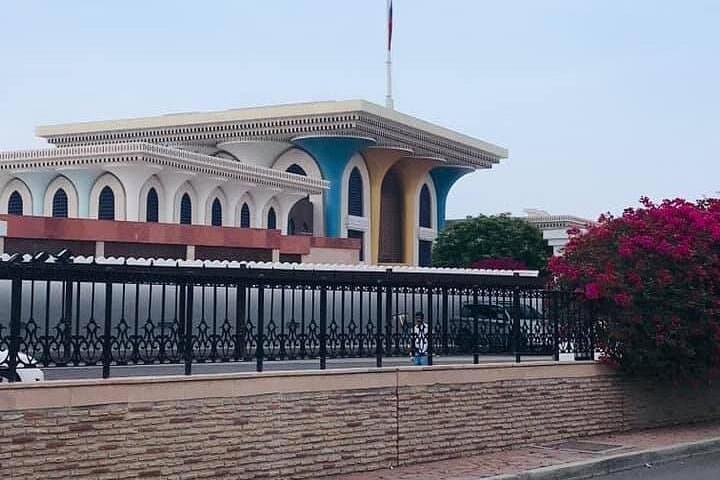
Practical guidance: the tour lasts about four hours with short walks and a few stair climbs—comfortable shoes and sun protection matter. Photography is welcomed at most stops but follow guide directions at official residences and mosque visiting hours. The tour includes private transport, an English-speaking guide and bottled water; museum entry is not always included, so carry small change. Aim for morning departures to avoid heat and capture the best light on the corniche.
easy.
3–4 hours.
Suitable for light walkers who can manage short stair sections and brief standing periods
Yes, non-Muslims may visit during set hours; modest dress is required and certain areas may be off-limits during prayer.
This tour typically includes photo stops and exterior visits; museum entry and some interiors are often not included—confirm with the operator before arrival.
Yes, the tour includes private, air-conditioned transport and bottled water as listed in the inclusions.
Infant seats are available and the tour is suitable for all fitness levels, but stairs at forts may limit stroller access—check pickup and drop-off details when booking.
Muscat developed as a strategic port city on the frankincense and maritime trade routes; its forts and palaces reflect centuries of seafaring defense and diplomacy.
Respect coastal habitats by avoiding littering and minimizing single-use plastics; follow posted rules at historic sites to protect fragile stonework.
Old Muscat Tourism operates guided outdoor trips and adventures with an emphasis on safety, stewardship, and memorable experiences.
You step from an air-conditioned vehicle onto sun-warmed pavement and the city exhales—salt from the Sea of Oman, the bright tang of frankincense, and the distant clack of a dhow's rigging.
You step from an air-conditioned vehicle onto sun-warmed pavement and the city exhales—salt from the Sea of Oman, the bright tang of frankincense, and the distant clack of a dhow's rigging.
This half-day loop moves quickly through Muscat's contrasts: the Sultan Qaboos Grand Mosque's polished marble and geometric calm, Mutrah Souq's narrow alleys where spices and silver compete for attention, and the weathered forts that stand watch over a coastline carved from ancient limestone and volcanic rock. Historically a maritime crossroads, Muscat grew on trade—pearls, frankincense and seafaring know-how—so each fort and palace signals a chapter in Oman's coastal story.
Geologically the city sits where the Hajar foothills meet the sea; craggy outcrops force the road to cling to the coast and give the forts commanding views. Culturally you'll notice the rhythms of prayer, the politeness of market haggling and the prominence of Omani sweets like halwa. Locals respect modest dress at religious sites; the mosque functions as both worship space and a civic landmark.
Practical guidance: the tour lasts about four hours with short walks and a few stair climbs—comfortable shoes and sun protection matter. Photography is welcomed at most stops but follow guide directions at official residences and mosque visiting hours. The tour includes private transport, an English-speaking guide and bottled water; museum entry is not always included, so carry small change. Aim for morning departures to avoid heat and capture the best light on the corniche.