THE ADVENTURE COLLECTIVE® · Independent discovery and booking for outdoor travel

A guided half-day canyoning trip through Heart Creek close to Banff and Canmore, ideal for beginners learning to rappel. Expect a 4–5 hour outing with progressive rappels culminating in an 18‑meter waterfall and natural slides.
A guided half-day canyoning trip through Heart Creek close to Banff and Canmore, ideal for beginners learning to rappel. Expect a 4–5 hour outing with progressive rappels culminating in an 18‑meter waterfall and natural slides.
The canyon narrows as the group moves from sunlit scrub into a cool corridor of sculpted limestone and rushing water. Guides clip harnesses and run a quick rope workshop on a flat slab; the air smells of wet stone and evergreen. Conversation drops to quiet concentration as participants step to the edge of their first rappel, the creek daring them forward with a steady, icy voice.
Verified experiences and guided adventures in the surrounding area.
Operated by Banff Canyoning · Canmore, Alberta
The canyon narrows as the group moves from sunlit scrub into a cool corridor of sculpted limestone and rushing water. Guides clip harnesses and run a quick rope workshop on a flat slab; the air smells of wet stone and evergreen. Conversation drops to quiet concentration as participants step to the edge of their first rappel, the creek daring them forward with a steady, icy voice.
Heart Creek is carved through ancient sedimentary layers typical of the Bow Valley—thin-bedded limestones and shales shaped by meltwater since the last glaciation. The area sits within the traditional territories of the Stoney Nakoda and other Plains Indigenous peoples; routes through these valleys were used for travel and seasonal harvest long before recreational use. Today the canyon offers a short, progressive canyoneering route: a moderate hike (about 3.5 km uphill to the canyon), a guided rappel skills clinic, several short to mid-length rappels and an 18‑meter waterfall at the lower section followed by natural slides.
Practically, expect 4–5 hours on the tour, wetsuits and helmets provided, and a requirement to carry a small pack. Fitness should be moderate: hikers will manage uphill approaches and brief swims or wet sections. Timing your visit for late spring through early fall gives safer flows and warmer air; high runoff or poor weather will cancel trips. Bring sturdy trail shoes with good grip, a change of clothes, and water. Listen closely during the safety briefing—technique and conservative decision-making are central to a satisfying, safe canyoning day.
moderate.
4–5 hours.
Moderate — able to hike 3.5 km uphill with a pack, comfortable with heights and short swims or cold-water exposure
No — guides run a step-by-step rappel clinic before entering the canyon and supervise every descent.
Basic comfort in moving water helps, but strong swimming is not required; guides provide support and routes avoid deep swims.
Minimum age is 12 with an accompanying adult; participants should be able to hike uphill 3.5 km and carry a modest pack.
Trips are subject to cancellation for high runoff or unsafe conditions; operators will reschedule or refund if the tour is canceled.
Heart Creek flows through Bow Valley sedimentary formations shaped by glacial and meltwater processes; Indigenous groups used valley corridors seasonally long before recreational use.
Stay on established paths, pack out all waste and minimize soap use—canyons are sensitive aquatic habitats and heavy foot traffic can accelerate erosion.
Banff Canyoning operates guided outdoor trips and adventures with an emphasis on safety, stewardship, and memorable experiences.
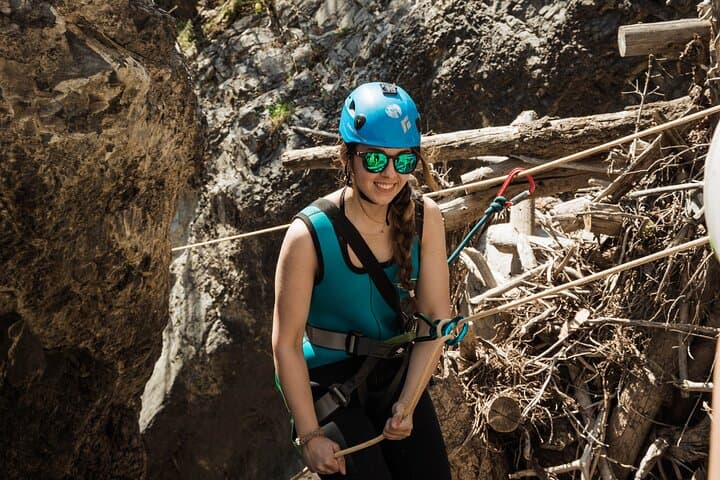
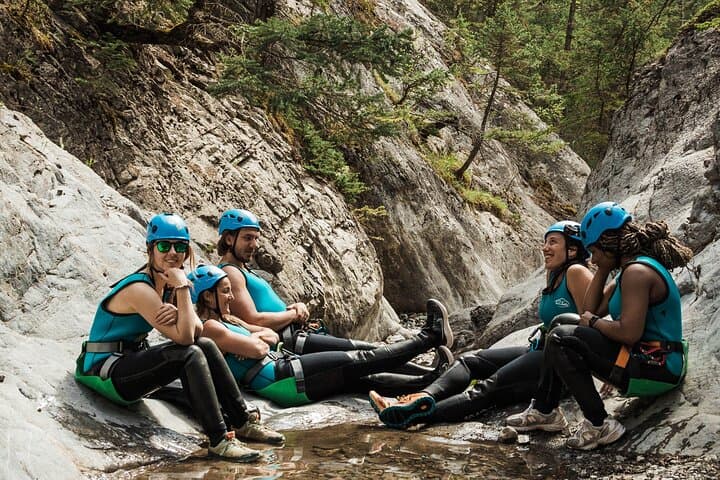


The canyon narrows as the group moves from sunlit scrub into a cool corridor of sculpted limestone and rushing water. Guides clip harnesses and run a quick rope workshop on a flat slab; the air smells of wet stone and evergreen. Conversation drops to quiet concentration as participants step to the edge of their first rappel, the creek daring them forward with a steady, icy voice.
The canyon narrows as the group moves from sunlit scrub into a cool corridor of sculpted limestone and rushing water. Guides clip harnesses and run a quick rope workshop on a flat slab; the air smells of wet stone and evergreen. Conversation drops to quiet concentration as participants step to the edge of their first rappel, the creek daring them forward with a steady, icy voice.
Heart Creek is carved through ancient sedimentary layers typical of the Bow Valley—thin-bedded limestones and shales shaped by meltwater since the last glaciation. The area sits within the traditional territories of the Stoney Nakoda and other Plains Indigenous peoples; routes through these valleys were used for travel and seasonal harvest long before recreational use. Today the canyon offers a short, progressive canyoneering route: a moderate hike (about 3.5 km uphill to the canyon), a guided rappel skills clinic, several short to mid-length rappels and an 18‑meter waterfall at the lower section followed by natural slides.
Practically, expect 4–5 hours on the tour, wetsuits and helmets provided, and a requirement to carry a small pack. Fitness should be moderate: hikers will manage uphill approaches and brief swims or wet sections. Timing your visit for late spring through early fall gives safer flows and warmer air; high runoff or poor weather will cancel trips. Bring sturdy trail shoes with good grip, a change of clothes, and water. Listen closely during the safety briefing—technique and conservative decision-making are central to a satisfying, safe canyoning day.