THE ADVENTURE COLLECTIVE® · Independent discovery and booking for outdoor travel

Ride a vintage Jeep through Hanoi’s Old Quarter for a compact, offbeat look at the city — from colonial boulevards to hidden alleys and rural islands a few kilometers from downtown. This half-day tour balances landmarks with local encounters and easy walking.
Ride a vintage Jeep through Hanoi’s Old Quarter for a compact, offbeat look at the city — from colonial boulevards to hidden alleys and rural islands a few kilometers from downtown. This half-day tour balances landmarks with local encounters and easy walking.
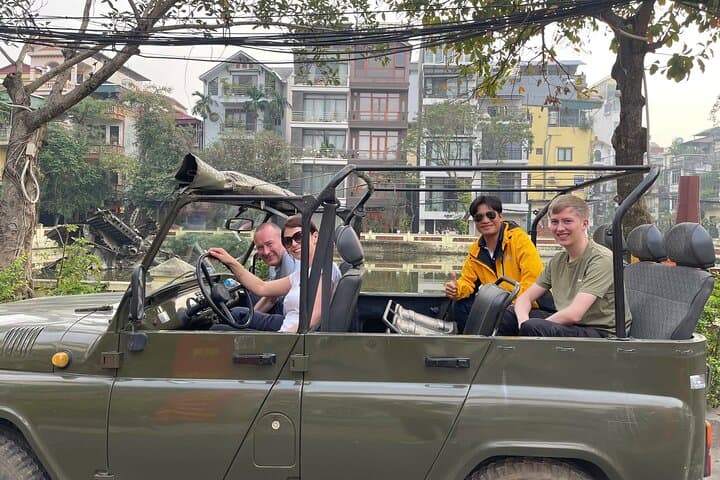
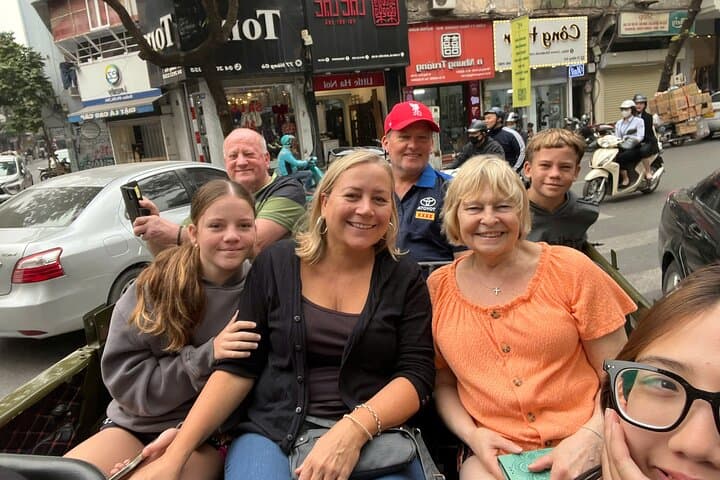
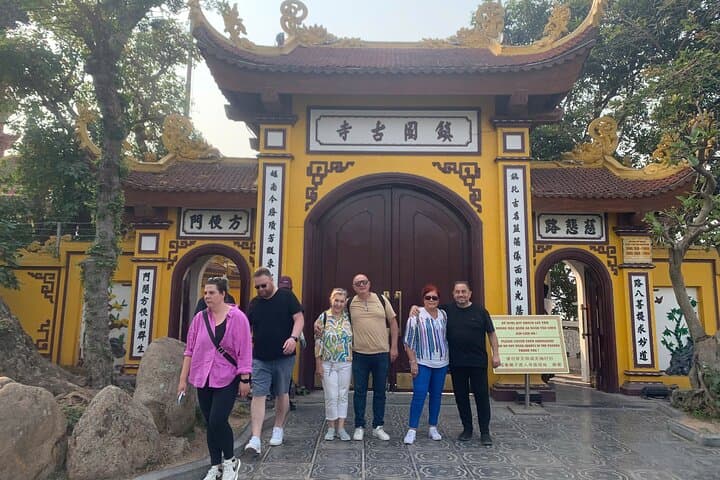
The engine growls to life and a vintage Jeep rolls through the narrow arteries of Hanoi’s Old Quarter, metal and rubber beating time with the city’s constant scooter chorus. You slide past morning markets where vendors lift bundles of herbs, arcaded French facades, and lacquered pagoda roofs — the city pulling back a quieter curtain as the Jeep threads alleys inaccessible to larger vehicles.
Verified experiences and guided adventures in the surrounding area.
Operated by Authentic PHU QUOC · Hanoi, Hanoi
The engine growls to life and a vintage Jeep rolls through the narrow arteries of Hanoi’s Old Quarter, metal and rubber beating time with the city’s constant scooter chorus. You slide past morning markets where vendors lift bundles of herbs, arcaded French facades, and lacquered pagoda roofs — the city pulling back a quieter curtain as the Jeep threads alleys inaccessible to larger vehicles.
Hanoi sits on the Red River Delta, a flat, alluvial plain whose waterways shaped the city’s neighborhoods and farming life. The Old Quarter grew from centuries of guild-based commerce; each street still carries the name of trades once practiced there. French colonial architecture — the Opera House and wide boulevards — overlays older Vietnamese temples and narrow tube houses, creating a visible timeline from imperial court to modern capital.
This half-day route mixes landmark stops and local vignettes: the Opera House, a respectful drive past the Ho Chi Minh Mausoleum, rural calm on Banana Island with farmstands and green tea, and an intimate pause at Train Street where rails run inches from front doors. Guides explain local customs, point out bonsai-lined streets, and open conversations with village residents when possible, an inside look at day-to-day life beyond postcard Hanoi.
Practicalities: the tour lasts about 4–5 hours, includes bottled water and lunch, and is suitable for most fitness levels though not recommended for those with certain spine or heart conditions. Wear comfortable shoes for short walks, modest clothing for pagodas, and bring a hat and sunscreen for West Lake and island stops. Expect city traffic, close quarters at Train Street, and great photo opportunities if you time the light early or late in the day.
easy.
4–5 hours.
Light activity; mostly seated with short on-foot visits — suitable for most travelers without severe mobility issues
Yes — the tour includes pickup from centrally located hotels in Hanoi; confirm your pickup point at booking.
Infants must sit on laps; the tour is not recommended for pregnant travelers or those with spinal or serious heart conditions.
The experience includes an English-speaking guide; check availability if you require another language.
The tour covers all entrance fees, bottled water, and lunch as listed in the inclusions.
The Old Quarter developed as a cluster of guild streets centuries ago; French colonial planning later introduced public buildings like the Opera House and broad boulevards.
Support local economies by buying from village vendors and avoid single-use plastics; stay on established paths to protect small urban green spaces.
Authentic PHU QUOC operates guided outdoor trips and adventures with an emphasis on safety, stewardship, and memorable experiences.

The engine growls to life and a vintage Jeep rolls through the narrow arteries of Hanoi’s Old Quarter, metal and rubber beating time with the city’s constant scooter chorus. You slide past morning markets where vendors lift bundles of herbs, arcaded French facades, and lacquered pagoda roofs — the city pulling back a quieter curtain as the Jeep threads alleys inaccessible to larger vehicles.
The engine growls to life and a vintage Jeep rolls through the narrow arteries of Hanoi’s Old Quarter, metal and rubber beating time with the city’s constant scooter chorus. You slide past morning markets where vendors lift bundles of herbs, arcaded French facades, and lacquered pagoda roofs — the city pulling back a quieter curtain as the Jeep threads alleys inaccessible to larger vehicles.
Hanoi sits on the Red River Delta, a flat, alluvial plain whose waterways shaped the city’s neighborhoods and farming life. The Old Quarter grew from centuries of guild-based commerce; each street still carries the name of trades once practiced there. French colonial architecture — the Opera House and wide boulevards — overlays older Vietnamese temples and narrow tube houses, creating a visible timeline from imperial court to modern capital.
This half-day route mixes landmark stops and local vignettes: the Opera House, a respectful drive past the Ho Chi Minh Mausoleum, rural calm on Banana Island with farmstands and green tea, and an intimate pause at Train Street where rails run inches from front doors. Guides explain local customs, point out bonsai-lined streets, and open conversations with village residents when possible, an inside look at day-to-day life beyond postcard Hanoi.
Practicalities: the tour lasts about 4–5 hours, includes bottled water and lunch, and is suitable for most fitness levels though not recommended for those with certain spine or heart conditions. Wear comfortable shoes for short walks, modest clothing for pagodas, and bring a hat and sunscreen for West Lake and island stops. Expect city traffic, close quarters at Train Street, and great photo opportunities if you time the light early or late in the day.