THE ADVENTURE COLLECTIVE® · Independent discovery and booking for outdoor travel

A half-day coach tour from Salzburg delivers one of Austria’s most photographed villages: Hallstatt’s lakeshore, optional Skywalk views and a nearby waterfall. This guide explains what you’ll see, why the place matters and how to prepare.
A half-day coach tour from Salzburg delivers one of Austria’s most photographed villages: Hallstatt’s lakeshore, optional Skywalk views and a nearby waterfall. This guide explains what you’ll see, why the place matters and how to prepare.
You step off the coach and the lake meets you first: a cool, still face edged by pastel houses and steep, forested rock that seems to press the village into the shore. Boats bob lazily; gulls wheel and the mountain above — part of the Dachstein limestone massif — looks like it was carved to frame the town.
Verified experiences and guided adventures in the surrounding area.
Operated by Salzburg Panorama Tours GmbH · Hallstatt, Upper Austria
You step off the coach and the lake meets you first: a cool, still face edged by pastel houses and steep, forested rock that seems to press the village into the shore. Boats bob lazily; gulls wheel and the mountain above — part of the Dachstein limestone massif — looks like it was carved to frame the town.
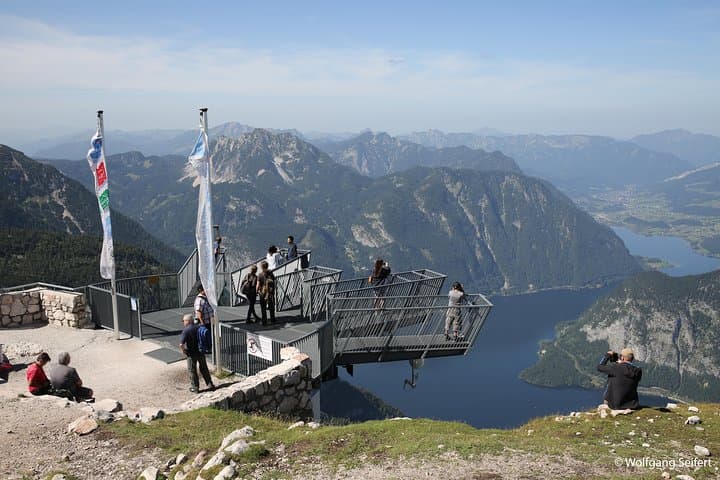
Hallstatt’s story is visible in its architecture and on museum plaques: one of Europe’s oldest salt-mining regions, with human activity here stretching back to the Iron Age. Geology shapes everything — glacial valleys, sheer limestone cliffs and the long, narrow Hallstätter See that once fed local boats and now reflects the skywalk’s elevated view.
Culturally the town is compact and pragmatic: fishermen’s houses, a centuries-old Bone House offering intimate genealogy, and a salt-mining heritage that underpins local identity. The Muhlbach Waterfall adds movement — a cool, rushing presence you can visit on a short walk.
Practical guidance: the tour runs roughly 5.5 hours from Salzburg with about 2.5 hours free time in Hallstatt. Stroll the flat, cobbled lakeside or buy a funicular ticket to the Skywalk (≈335 m above the village) for panoramic views. Expect uneven stones, narrow alleys and short flights of steps. Facilities and cafés are concentrated near the pier. Bring layered clothing for sudden mountain breezes, a waterproof shell in shoulder seasons, and arrive early at the Panorama Tours terminal in Mirabellplatz to check in. If you want quieter photos, aim for early departures or later returns — the village fills quickly on clear summer days.
easy.
5–6 hours.
Suitable for most fitness levels; requires short walks on cobbles and steps but no sustained climbs.
The coach ride typically takes about 1 to 1¼ hours each way depending on traffic and route, which is included in the tour duration.
No — the funicular and Skywalk access are optional and require separate tickets purchased on site.
Yes — electric boat rentals and short lake cruises are available seasonally from the pier but are not included in the tour price.
The lakeside promenade is relatively flat and stroller-friendly, but many alleys and attractions have steps; full accessibility may be limited for some wheelchair users.
Hallstatt was a major center for salt extraction from prehistoric times; the area gave its name to the early Iron Age Hallstatt culture important to European archaeology.
Tourists are encouraged to stay on marked paths and avoid trampling shoreline vegetation; local authorities manage visitor numbers seasonally to reduce wear on historic streets and trails.
Salzburg Panorama Tours GmbH operates guided outdoor trips and adventures with an emphasis on safety, stewardship, and memorable experiences.
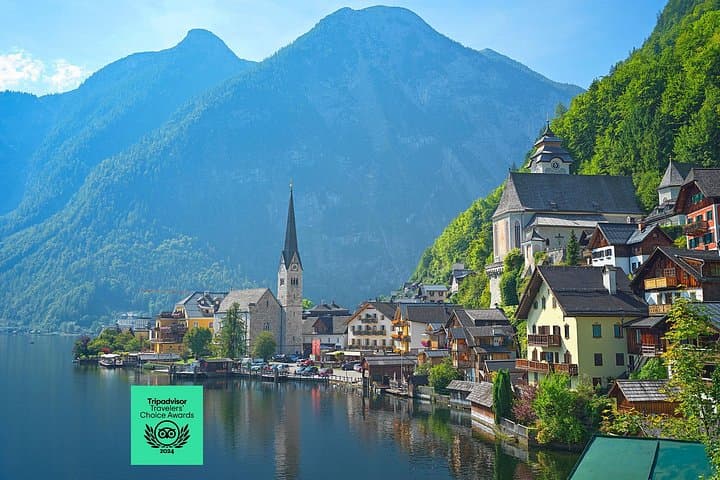
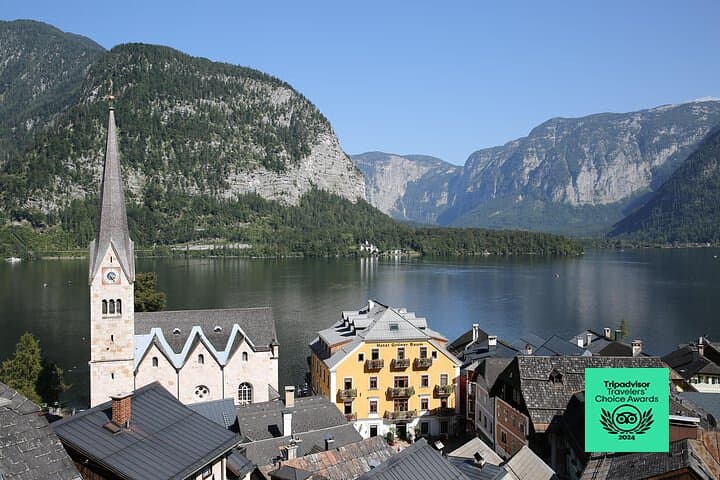
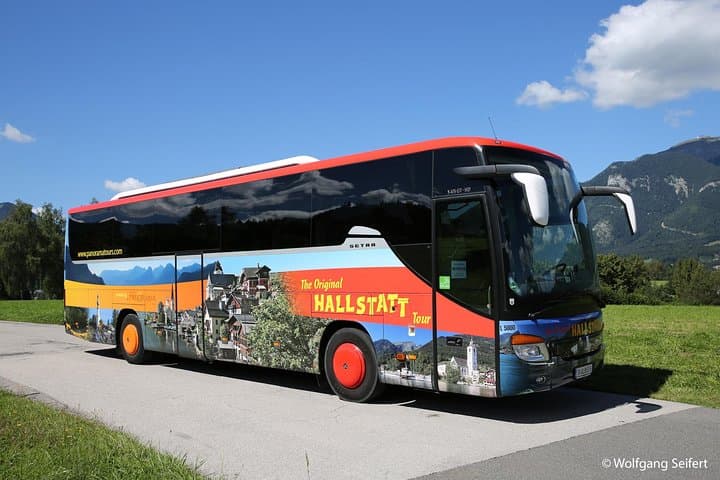
You step off the coach and the lake meets you first: a cool, still face edged by pastel houses and steep, forested rock that seems to press the village into the shore. Boats bob lazily; gulls wheel and the mountain above — part of the Dachstein limestone massif — looks like it was carved to frame the town.
You step off the coach and the lake meets you first: a cool, still face edged by pastel houses and steep, forested rock that seems to press the village into the shore. Boats bob lazily; gulls wheel and the mountain above — part of the Dachstein limestone massif — looks like it was carved to frame the town.
Hallstatt’s story is visible in its architecture and on museum plaques: one of Europe’s oldest salt-mining regions, with human activity here stretching back to the Iron Age. Geology shapes everything — glacial valleys, sheer limestone cliffs and the long, narrow Hallstätter See that once fed local boats and now reflects the skywalk’s elevated view.
Culturally the town is compact and pragmatic: fishermen’s houses, a centuries-old Bone House offering intimate genealogy, and a salt-mining heritage that underpins local identity. The Muhlbach Waterfall adds movement — a cool, rushing presence you can visit on a short walk.
Practical guidance: the tour runs roughly 5.5 hours from Salzburg with about 2.5 hours free time in Hallstatt. Stroll the flat, cobbled lakeside or buy a funicular ticket to the Skywalk (≈335 m above the village) for panoramic views. Expect uneven stones, narrow alleys and short flights of steps. Facilities and cafés are concentrated near the pier. Bring layered clothing for sudden mountain breezes, a waterproof shell in shoulder seasons, and arrive early at the Panorama Tours terminal in Mirabellplatz to check in. If you want quieter photos, aim for early departures or later returns — the village fills quickly on clear summer days.