THE ADVENTURE COLLECTIVE® · Independent discovery and booking for outdoor travel

Spend a half day touring Guilin’s landmark Elephant Hill and a working tea plantation on Yao Mountain. This private excursion blends short climbs, karst scenery, and hands‑on tea culture with hotel pickup and entrance fees typically included.
Spend a half day touring Guilin’s landmark Elephant Hill and a working tea plantation on Yao Mountain. This private excursion blends short climbs, karst scenery, and hands‑on tea culture with hotel pickup and entrance fees typically included.
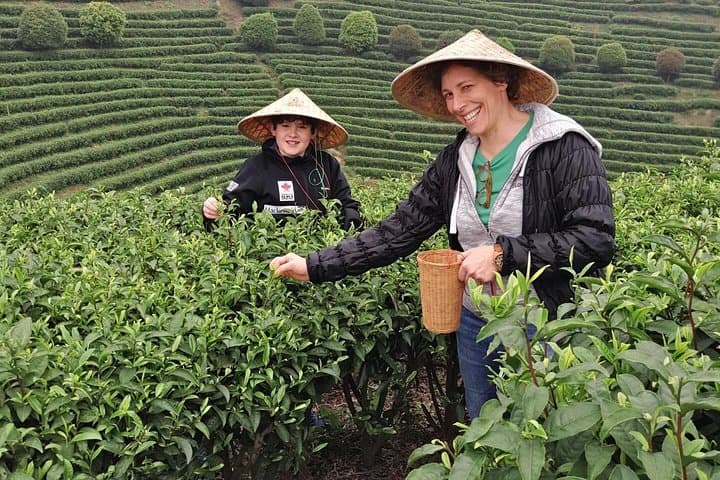
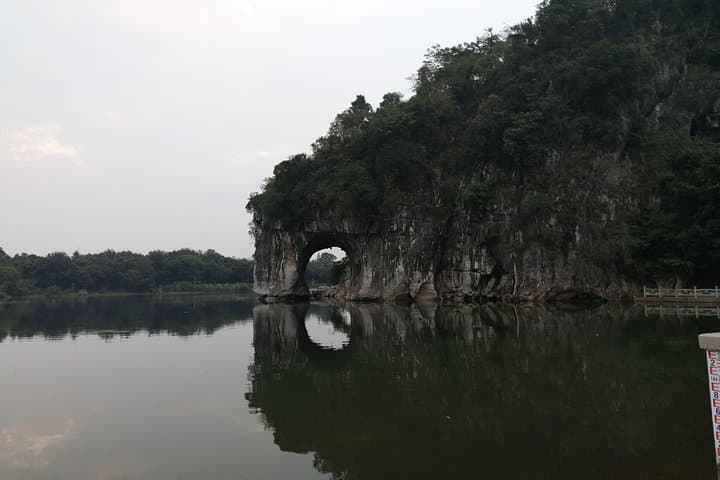
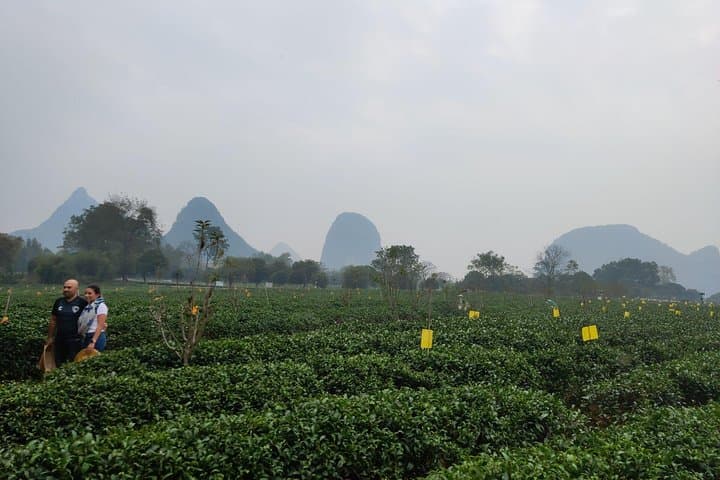
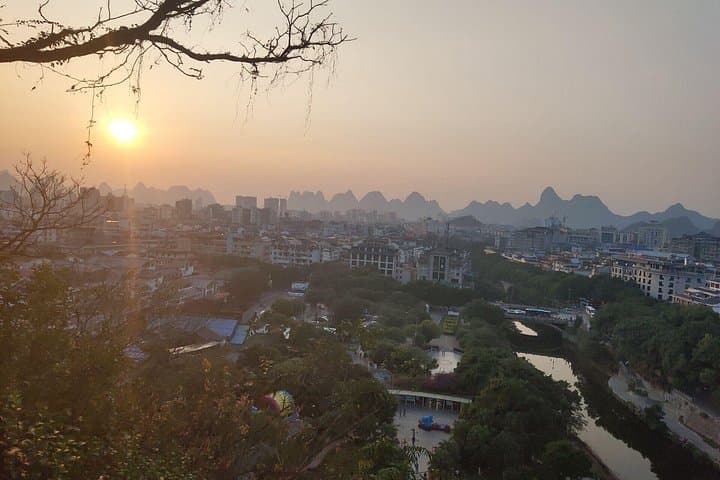
Morning light slides across the Li River as you step from an air‑conditioned car into the hum of Guilin’s city core. Elephant Hill rises from the riverside like a weathered guardian; its limestone flank dares you up a network of stone steps for a viewpoint that edges the urban skyline. Later, the road climbs toward Yao Mountain where terraces and a research tea station open into rows of dark green leaves and the quiet rhythm of tea making.
Verified experiences and guided adventures in the surrounding area.
Operated by happychinatours · Guilin, Guangxi
Morning light slides across the Li River as you step from an air‑conditioned car into the hum of Guilin’s city core. Elephant Hill rises from the riverside like a weathered guardian; its limestone flank dares you up a network of stone steps for a viewpoint that edges the urban skyline. Later, the road climbs toward Yao Mountain where terraces and a research tea station open into rows of dark green leaves and the quiet rhythm of tea making.
Elephant Trunk Hill is a classic karst outcrop formed by dissolved limestone and centuries of river carving — a geological pageant that shaped Guilin’s distinctive peaks. The tea fields near Yao Mountain sit on gentle slopes favored by mist and drainage; regional tea culture here blends centuries of craft with modern research practice, and staff typically demonstrate picking and processing techniques. Expect Chinese tea ceremony elements and a short performance that explains taste, leaf grades, and local varietals.
Practical guidance: the tour is private and runs about four hours with hotel pickup in Guilin or Yangshuo. Wear grippy shoes for stone steps and uneven paths, bring a refillable bottle (shops available but bring euros? no — bring yuan), and plan visits outside midday for softer light and fewer crowds. If you’re traveling November–March you’ll still get demonstrations and tasting but not leaf‑picking. Mobile tickets and entrance fees are normally included; check cancellation terms and mention mobility or infant needs when booking.
This half‑day mixes short hikes, cultural exchange, and sensory tea tasting — compact, tactile, and easily slotted into a broader Guilin itinerary.
moderate.
3–4 hours.
Reasonable mobility and stair‑climbing ability; light hikes and standing during demonstrations.
Entrance tickets to Elephant Hill and the tea plantation demonstrations are typically included in this private tour, but confirm at booking.
Leaf‑picking is seasonal; it’s available during the growing months but usually not from November through March — tastings and manufacturing demos continue year‑round.
Yes — private pickup and drop‑off from Guilin or Yangshuo hotels are offered; you’ll confirm pickup details at booking.
Infants can ride in a stroller and specialized infant seats are available, but the tour involves stairs and uneven paths and isn’t recommended for those with serious back or heart conditions.
Elephant Trunk Hill is a centuries‑old karst landmark referenced in local poetry; tea cultivation in Guangxi has long ties to regional ritual and trade.
The karst landscape and tea terraces are sensitive to trampling and erosion—stay on paths, respect plantation practices, and prefer local producers when buying tea.
happychinatours operates guided outdoor trips and adventures with an emphasis on safety, stewardship, and memorable experiences.
Morning light slides across the Li River as you step from an air‑conditioned car into the hum of Guilin’s city core. Elephant Hill rises from the riverside like a weathered guardian; its limestone flank dares you up a network of stone steps for a viewpoint that edges the urban skyline. Later, the road climbs toward Yao Mountain where terraces and a research tea station open into rows of dark green leaves and the quiet rhythm of tea making.
Morning light slides across the Li River as you step from an air‑conditioned car into the hum of Guilin’s city core. Elephant Hill rises from the riverside like a weathered guardian; its limestone flank dares you up a network of stone steps for a viewpoint that edges the urban skyline. Later, the road climbs toward Yao Mountain where terraces and a research tea station open into rows of dark green leaves and the quiet rhythm of tea making.
Elephant Trunk Hill is a classic karst outcrop formed by dissolved limestone and centuries of river carving — a geological pageant that shaped Guilin’s distinctive peaks. The tea fields near Yao Mountain sit on gentle slopes favored by mist and drainage; regional tea culture here blends centuries of craft with modern research practice, and staff typically demonstrate picking and processing techniques. Expect Chinese tea ceremony elements and a short performance that explains taste, leaf grades, and local varietals.
Practical guidance: the tour is private and runs about four hours with hotel pickup in Guilin or Yangshuo. Wear grippy shoes for stone steps and uneven paths, bring a refillable bottle (shops available but bring euros? no — bring yuan), and plan visits outside midday for softer light and fewer crowds. If you’re traveling November–March you’ll still get demonstrations and tasting but not leaf‑picking. Mobile tickets and entrance fees are normally included; check cancellation terms and mention mobility or infant needs when booking.
This half‑day mixes short hikes, cultural exchange, and sensory tea tasting — compact, tactile, and easily slotted into a broader Guilin itinerary.