THE ADVENTURE COLLECTIVE® · Independent discovery and booking for outdoor travel

Stand face-to-face with Khufu’s Great Pyramid, walk the plateau where pharaohs once ruled, and pause for an Egyptian lunch on this five‑hour guided tour. Ideal for first-time visitors who want inside access and panoramic photo stops.
Stand face-to-face with Khufu’s Great Pyramid, walk the plateau where pharaohs once ruled, and pause for an Egyptian lunch on this five‑hour guided tour. Ideal for first-time visitors who want inside access and panoramic photo stops.
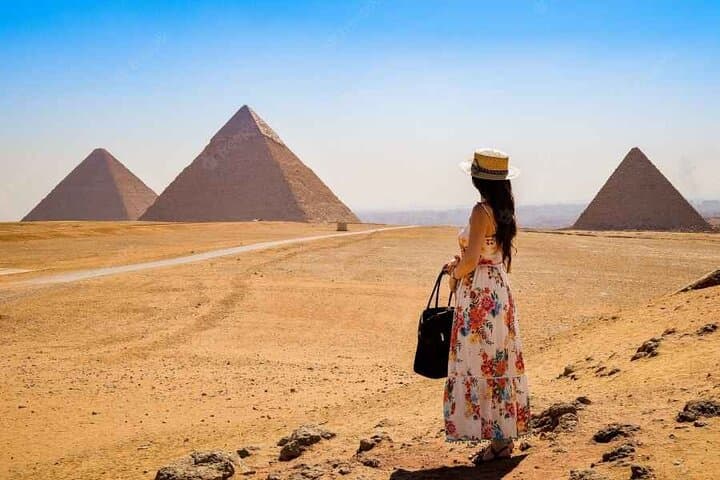
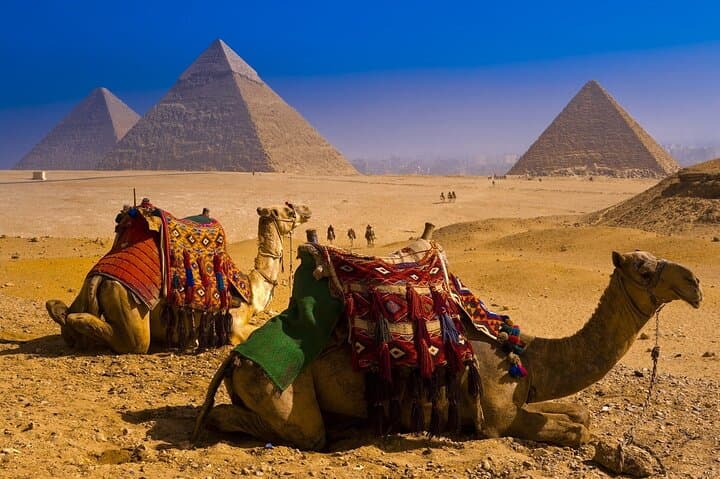
Sand and stone meet the morning light as the Cairo skyline falls away and the Giza Plateau rises toward you — a low, wind‑polished plain crowned by three immense pyramids. The guide steers the rhythm: a short drive to the plateau, a slow approach past souvenir sellers, then the first unmistakable silhouette of Khufu’s Great Pyramid drawing you in.
Verified experiences and guided adventures in the surrounding area.
Operated by Mego Egypt Tours · Giza, Giza Governorate
Sand and stone meet the morning light as the Cairo skyline falls away and the Giza Plateau rises toward you — a low, wind‑polished plain crowned by three immense pyramids. The guide steers the rhythm: a short drive to the plateau, a slow approach past souvenir sellers, then the first unmistakable silhouette of Khufu’s Great Pyramid drawing you in.
These monuments date to the Fourth Dynasty (c. 2600–2500 BCE). The plateau’s limestone beds and quarried blocks tell a geological story of ancient coastal seas; the pyramids themselves are funerary architecture built to anchor royal power and the afterlife. Nearby the Sphinx, carved from the same bedrock, watches over the causeway and the Valley Temple where mummification rituals once began.
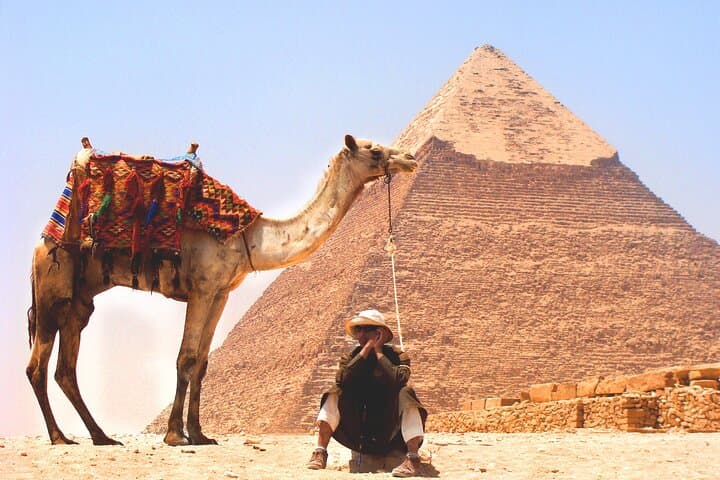
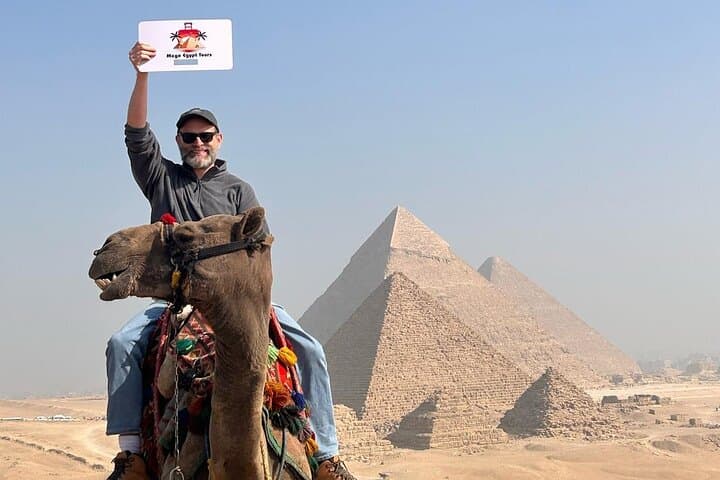
Local culture remains tactile — families sharing lunch at an Egyptian restaurant, camel handlers offering short rides, and guides (often Egyptologists) translating hieroglyphs into narrative. Photography points concentrate around the panoramic western ridge and the Sphinx esplanade; inside-pyramid access is limited by strict ticketing and narrow passageways.
Practical guidance: plan for sun and sand — bring a brimmed hat, layered light clothing, and a refillable water bottle. Allow five hours for pickup, a guided plateau visit (including optional pyramid entry), panoramic photos, a Sphinx stop, and a restaurant lunch. Expect uneven footing on limestone and loose sand; mobility aids are limited across the plateau. Purchase entry or inside-pyramid tickets in advance if required, and carry local currency for small payments and tips. Timing matters: early morning or late afternoon light is best for fewer crowds and more comfortable temperatures.
easy.
5 hours.
Low fitness required; able to stand and walk on uneven ground for short periods
Inside-pyramid access is sometimes available but limited and requires a specific ticket; confirm during booking or upgrade options and expect narrow, steep chambers.
The plateau has uneven terrain and limited formal ramps; some areas accommodate short transfers, but inside-pyramid access is generally not wheelchair-friendly.
Tipping is customary; modest amounts for guides, drivers and camel handlers are appreciated—carry small Egyptian pounds for this purpose.
Casual, respectful clothing is fine—lightweight, modest attire is recommended; restaurants typically accept casual dress but avoid beachwear.
The Great Pyramid of Khufu was built in the 26th century BCE and stood as the tallest man-made structure for millennia; the Sphinx and adjacent valley temples are tied to funerary rites and royal cults.
Visitor numbers and urban encroachment strain the site; follow marked paths, avoid touching ancient stone and support licensed guides who comply with preservation rules.
Mego Egypt Tours operates guided outdoor trips and adventures with an emphasis on safety, stewardship, and memorable experiences.
Sand and stone meet the morning light as the Cairo skyline falls away and the Giza Plateau rises toward you — a low, wind‑polished plain crowned by three immense pyramids. The guide steers the rhythm: a short drive to the plateau, a slow approach past souvenir sellers, then the first unmistakable silhouette of Khufu’s Great Pyramid drawing you in.
Sand and stone meet the morning light as the Cairo skyline falls away and the Giza Plateau rises toward you — a low, wind‑polished plain crowned by three immense pyramids. The guide steers the rhythm: a short drive to the plateau, a slow approach past souvenir sellers, then the first unmistakable silhouette of Khufu’s Great Pyramid drawing you in.
These monuments date to the Fourth Dynasty (c. 2600–2500 BCE). The plateau’s limestone beds and quarried blocks tell a geological story of ancient coastal seas; the pyramids themselves are funerary architecture built to anchor royal power and the afterlife. Nearby the Sphinx, carved from the same bedrock, watches over the causeway and the Valley Temple where mummification rituals once began.
Local culture remains tactile — families sharing lunch at an Egyptian restaurant, camel handlers offering short rides, and guides (often Egyptologists) translating hieroglyphs into narrative. Photography points concentrate around the panoramic western ridge and the Sphinx esplanade; inside-pyramid access is limited by strict ticketing and narrow passageways.
Practical guidance: plan for sun and sand — bring a brimmed hat, layered light clothing, and a refillable water bottle. Allow five hours for pickup, a guided plateau visit (including optional pyramid entry), panoramic photos, a Sphinx stop, and a restaurant lunch. Expect uneven footing on limestone and loose sand; mobility aids are limited across the plateau. Purchase entry or inside-pyramid tickets in advance if required, and carry local currency for small payments and tips. Timing matters: early morning or late afternoon light is best for fewer crowds and more comfortable temperatures.