THE ADVENTURE COLLECTIVE® · Independent discovery and booking for outdoor travel

Explore Marrakech’s key monuments in a focused half‑day with an art historian guide—Koutoubia, Badii and Bahia Palaces, Majorelle Gardens, plus a herbalist stop. Ideal for travelers who want history, architecture and local flavor in a compact visit.
Explore Marrakech’s key monuments in a focused half‑day with an art historian guide—Koutoubia, Badii and Bahia Palaces, Majorelle Gardens, plus a herbalist stop. Ideal for travelers who want history, architecture and local flavor in a compact visit.
Morning light hits the red city wall and the medina stirs: vendors roll shutters, orange juice stalls glow, and the minaret of Koutoubia sets a steady visual pulse over the square.
Verified experiences and guided adventures in the surrounding area.
Operated by Dream Voyage Touristique - Day Tours · Marrakech, Marrakech-Safi
Morning light hits the red city wall and the medina stirs: vendors roll shutters, orange juice stalls glow, and the minaret of Koutoubia sets a steady visual pulse over the square.
This half-day guided sightseeing tour moves through Marrakech’s layered past—Almohad stone at Koutoubia (12th century), the faded grandeur of Badii Palace where festivals and ruins meet, and the intimate courtyards of Bahia Palace that reflect 19th‑century craftsmanship. The route often includes a stop at Majorelle Gardens, a twentieth‑century botanical project later made famous by Yves Saint Laurent, and the Saadian Tombs, a quiet pocket of ornate tile and history.
Geology and urban form are plain in the city’s ochre walls, built from rammed earth and clay that age to a deep rust; the nearby Atlas Mountains frame the skyline on clear days, offering a reminder that Marrakech sits where desert, mountain and irrigated palm groves converge.
Culturally this tour is a rapid introduction—an art historian guide contextualizes architecture, craft and the city’s role as Morocco’s “Pearl of the South.” Expect a short herbalist demonstration on local spices and traditional remedies before returning to your hotel.
Practical note: the tour lasts about 3–4 hours, requires steady walking on cobbles and narrow lanes, and usually does not include monument entry fees. Wear comfortable shoes, dress respectfully for mosque views, carry cash for small purchases and plan mornings or late afternoons to avoid peak heat.
easy.
3–4 hours.
Suitable for most fitness levels; requires walking and occasional stairs.
No—this tour typically covers guided commentary and transport; entrance fees to monuments like Majorelle or Bahia are extra.
Yes; the operator notes infant seats available and the itinerary is family-friendly, though the walking pace involves cobbles and crowds.
Itineraries may vary by time and traffic; guides prioritize key highlights but some stops may be substitutions or viewed from outside.
Parts of the medina and palace grounds include uneven surfaces and steps; full accessibility is limited—check with the operator for specific needs.
Marrakech was founded in the 11th century and reshaped by the Almohad dynasty in the 12th century; Koutoubia’s minaret is a key surviving landmark from that era.
Water scarcity and foot-traffic stress historic sites—choose guided paths, avoid single-use plastics and support local conservation fees when available.
Dream Voyage Touristique - Day Tours operates guided outdoor trips and adventures with an emphasis on safety, stewardship, and memorable experiences.
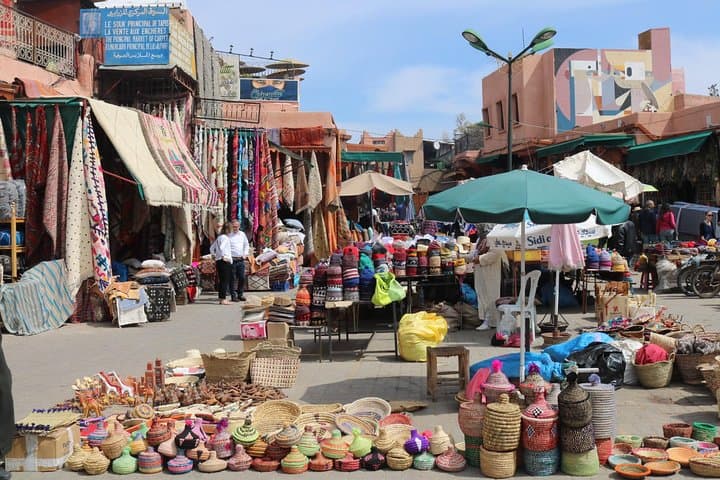
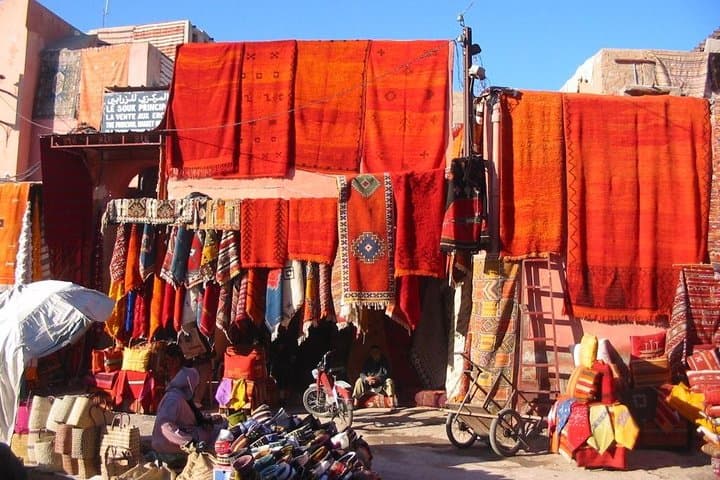
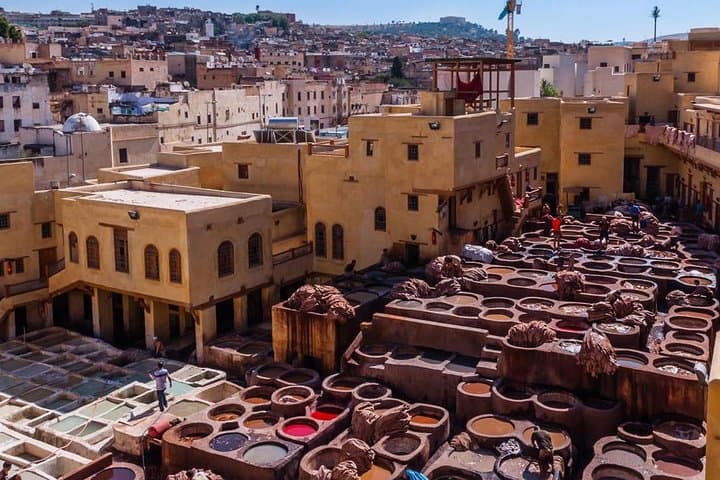
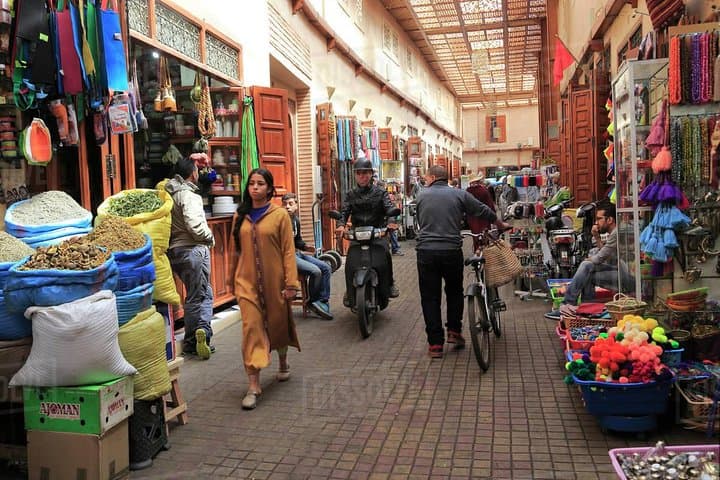
Morning light hits the red city wall and the medina stirs: vendors roll shutters, orange juice stalls glow, and the minaret of Koutoubia sets a steady visual pulse over the square.
Morning light hits the red city wall and the medina stirs: vendors roll shutters, orange juice stalls glow, and the minaret of Koutoubia sets a steady visual pulse over the square.
This half-day guided sightseeing tour moves through Marrakech’s layered past—Almohad stone at Koutoubia (12th century), the faded grandeur of Badii Palace where festivals and ruins meet, and the intimate courtyards of Bahia Palace that reflect 19th‑century craftsmanship. The route often includes a stop at Majorelle Gardens, a twentieth‑century botanical project later made famous by Yves Saint Laurent, and the Saadian Tombs, a quiet pocket of ornate tile and history.
Geology and urban form are plain in the city’s ochre walls, built from rammed earth and clay that age to a deep rust; the nearby Atlas Mountains frame the skyline on clear days, offering a reminder that Marrakech sits where desert, mountain and irrigated palm groves converge.
Culturally this tour is a rapid introduction—an art historian guide contextualizes architecture, craft and the city’s role as Morocco’s “Pearl of the South.” Expect a short herbalist demonstration on local spices and traditional remedies before returning to your hotel.
Practical note: the tour lasts about 3–4 hours, requires steady walking on cobbles and narrow lanes, and usually does not include monument entry fees. Wear comfortable shoes, dress respectfully for mosque views, carry cash for small purchases and plan mornings or late afternoons to avoid peak heat.