THE ADVENTURE COLLECTIVE® · Independent discovery and booking for outdoor travel

Spend a crisp half-day hiking above Zermatt with a local guide who knows the best viewpoints for Matterhorn reflections and high-alpine panoramas. Expect mixed trails, glacier scenery, and practical route choices tuned to weather and photography.
Spend a crisp half-day hiking above Zermatt with a local guide who knows the best viewpoints for Matterhorn reflections and high-alpine panoramas. Expect mixed trails, glacier scenery, and practical route choices tuned to weather and photography.
On a clear morning above Zermatt the path climbs away from the car-free village, and the Matterhorn looms—sharp, deliberate, like a mountain staking its claim on the skyline.
Verified experiences and guided adventures in the surrounding area.
Operated by PDS Snowsport · Zermatt, Valais
On a clear morning above Zermatt the path climbs away from the car-free village, and the Matterhorn looms—sharp, deliberate, like a mountain staking its claim on the skyline.
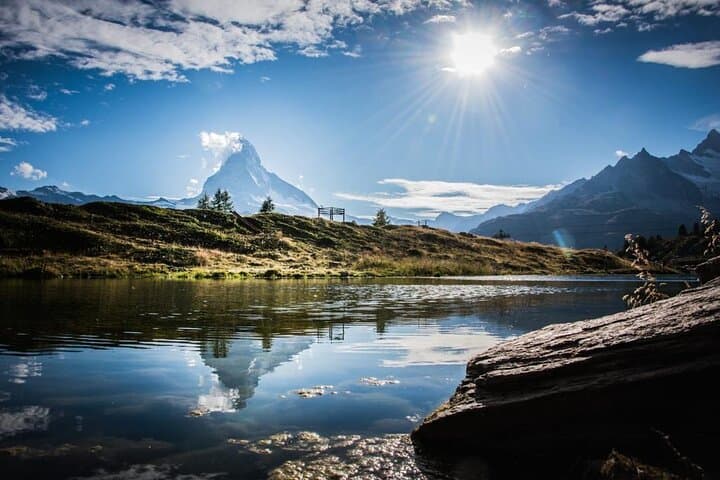
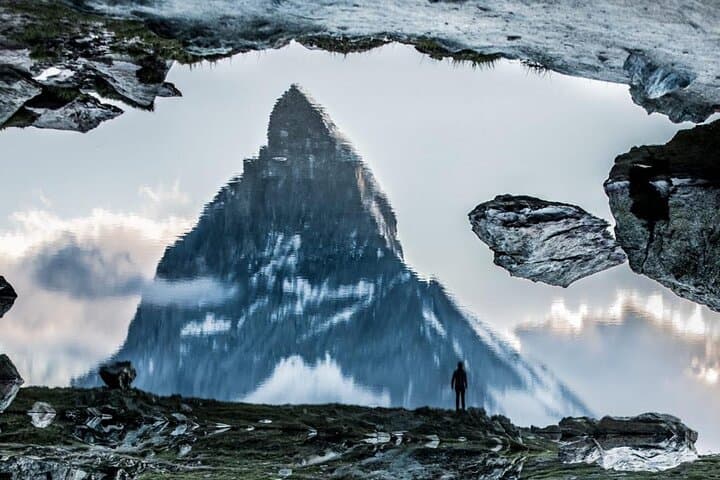
This half-day guided hike threads high meadows, moraine ridges and glacial meltwater pools. Guides steer toward photographer-friendly vantage points such as the reflective bowl of Stellisee and viewpoints on the Gornergrat ridge, where the Gorner Glacier and surrounding four-thousand-meter peaks spread outward in hard, glacial geometry. The geology is immediate: horn-shaped peaks carved by ice, roche moutonnée smoothing valley floors, and loose moraine where recent glacial retreat reveals pale, raw rock.
Zermatt’s culture is shaped by alpine climbing history—the Matterhorn’s 1865 ascent transformed this valley into a hub for mountaineering and mountain hospitality—yet today the town balances service with strict environmental controls, including limited vehicle access.
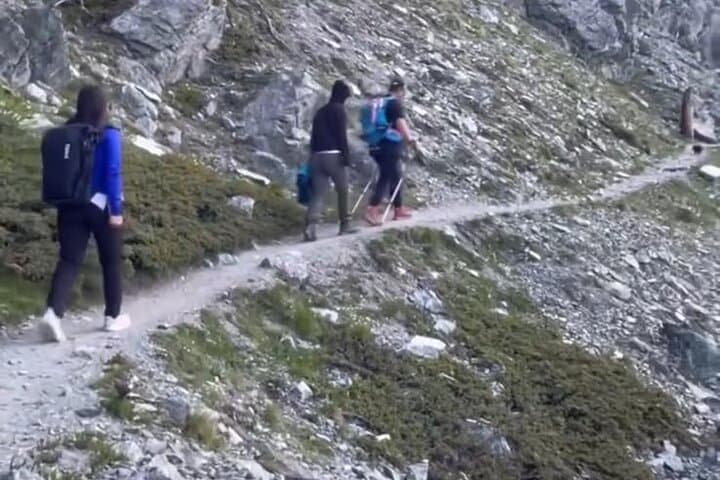
Practical guidance: expect 3 hours on mixed trail—well-built switchbacks, gravel stretches and some uneven alpine turf—with modest elevation gain (typical half-day routes 200–600 m). Wear sturdy shoes with grip, layer for wind and sun, and carry at least 1–1.5 liters of water. Weather shifts quickly above 2,000 m; morning clarity can give way to cloud in an hour. Photography stops add time—allow extra minutes for framing the Matterhorn at Stellisee.
A guided half-day is ideal for acclimatizing, capturing postcard views, and sampling high-Alpine terrain without full-day commitment. Guides handle navigation and route choice so participants can focus on pacing, scenery and safety.
moderate.
3 hours.
Suitable for people with regular walking fitness who can handle sustained uphill sections and uneven ground.
Moderate fitness—able to walk several kilometers with 200–600 m cumulative ascent at a steady pace; guides tailor the route to group ability.
Meet in central Zermatt; the village is car-free but reachable by train from Täsch (shuttle) or regional rail from Visp—follow your booking confirmation for exact meeting point.
Tours may be canceled or rerouted for safety in bad weather; operators typically allow full refund if canceled 24+ hours prior or if the guide cancels due to conditions.
Yes—guides know prime framing points such as Stellisee for reflections and Gornergrat vistas; expect brief stops and guidance on best angles.
Zermatt grew into an international mountaineering center after the Matterhorn’s first ascent in 1865, shaping local hospitality and trail development.
Zermatt is largely car-free and manages trail use to reduce erosion—stay on marked paths, pack out waste, and respect fragile alpine vegetation.
PDS Snowsport operates guided outdoor trips and adventures with an emphasis on safety, stewardship, and memorable experiences.
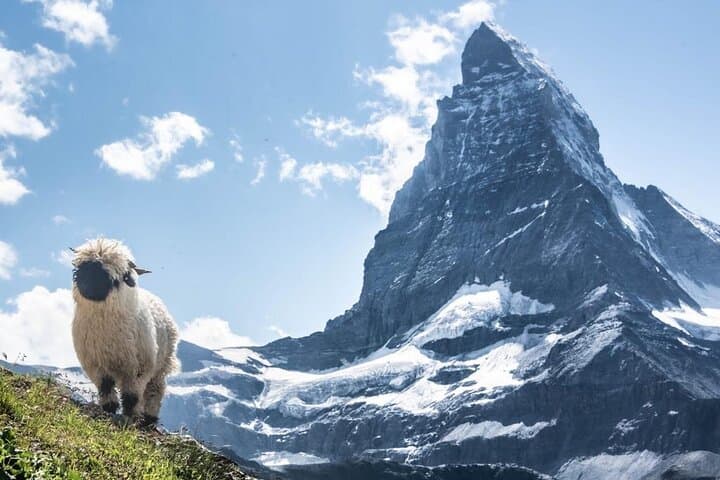
On a clear morning above Zermatt the path climbs away from the car-free village, and the Matterhorn looms—sharp, deliberate, like a mountain staking its claim on the skyline.
On a clear morning above Zermatt the path climbs away from the car-free village, and the Matterhorn looms—sharp, deliberate, like a mountain staking its claim on the skyline.
This half-day guided hike threads high meadows, moraine ridges and glacial meltwater pools. Guides steer toward photographer-friendly vantage points such as the reflective bowl of Stellisee and viewpoints on the Gornergrat ridge, where the Gorner Glacier and surrounding four-thousand-meter peaks spread outward in hard, glacial geometry. The geology is immediate: horn-shaped peaks carved by ice, roche moutonnée smoothing valley floors, and loose moraine where recent glacial retreat reveals pale, raw rock.
Zermatt’s culture is shaped by alpine climbing history—the Matterhorn’s 1865 ascent transformed this valley into a hub for mountaineering and mountain hospitality—yet today the town balances service with strict environmental controls, including limited vehicle access.
Practical guidance: expect 3 hours on mixed trail—well-built switchbacks, gravel stretches and some uneven alpine turf—with modest elevation gain (typical half-day routes 200–600 m). Wear sturdy shoes with grip, layer for wind and sun, and carry at least 1–1.5 liters of water. Weather shifts quickly above 2,000 m; morning clarity can give way to cloud in an hour. Photography stops add time—allow extra minutes for framing the Matterhorn at Stellisee.
A guided half-day is ideal for acclimatizing, capturing postcard views, and sampling high-Alpine terrain without full-day commitment. Guides handle navigation and route choice so participants can focus on pacing, scenery and safety.