THE ADVENTURE COLLECTIVE® · Independent discovery and booking for outdoor travel

Spend a concentrated 3–4 hours crossing ancient moorland to reach Dartmoor’s iconic tors. This guided half-day tour pairs geology, folklore, and hands-on navigation for travelers of moderate fitness.
Spend a concentrated 3–4 hours crossing ancient moorland to reach Dartmoor’s iconic tors. This guided half-day tour pairs geology, folklore, and hands-on navigation for travelers of moderate fitness.
You step off the coach into a cold, clean wind that seems to push your first steps across the moor. Granite tors rise like weathered watchmen above stretches of heather and peat; sheep and the occasional Dartmoor pony watch you pass as the guide folds out a map and points to the ridge you'll climb.
Verified experiences and guided adventures in the surrounding area.
Operated by Discover Dartmoor · Plymouth, England
You step off the coach into a cold, clean wind that seems to push your first steps across the moor. Granite tors rise like weathered watchmen above stretches of heather and peat; sheep and the occasional Dartmoor pony watch you pass as the guide folds out a map and points to the ridge you'll climb.
Dartmoor’s story reads in stone and field: Bronze Age cairns, medieval tin-streaming scars, and Victorian cart tracks that cross open moorland. Geology here is blunt and readable—granite intrusions exposed and dressed by millennia of frost and rain. Local guides mix folklore and fact, from wild ponies to the moor’s role in mooring shipping during wartime.
On a 3–4 hour half-day route you’ll tackle short steep sections, boggy patches, and exposed ridgelines to reach one or more tors. Expect variable footing—peat hags, rock steps, and grassy slopes—and views that open suddenly to the English Channel or sink into wooded valleys depending on your line of sight. The tour is paced for travelers with a moderate level of fitness and an appetite for rugged terrain rather than technical climbing.
Practical tip: weather can shift in minutes—layers and waterproofs are essential. Guides often carry maps, route plans, and basic safety kit, but bring water and footwear with good grip. Mornings offer calmer wind and clearer light; late afternoons bring long shadows and richer colors but can be cooler. Respect livestock and leave gates as you find them: Dartmoor is a working landscape as much as an outdoor playground.
moderate.
3–4 hours.
Moderate cardiovascular fitness and comfort on uneven, sometimes steep ground; short scrambles possible.
Moderate fitness is recommended—expect sustained walking over uneven ground with some steep sections, but no technical climbing.
Most departures are from Plymouth or nearby pick-up points; check your voucher for exact meeting locations and transport details.
Children who can handle 3–4 hours of hiking are usually fine; service animals allowed but pets depend on tour policy—confirm in advance.
Tours may be cancelled or rerouted for safety in poor weather; operators typically offer a full refund if cancelled 24 hours prior.
Dartmoor bears traces of Bronze Age field systems and centuries of tin streaming; tors were often used as waypoints by past communities.
Erosion from foot traffic and sensitive peat habitats are concerns—stick to defined routes, avoid trampling vegetation, and carry out all litter.
Discover Dartmoor operates guided outdoor trips and adventures with an emphasis on safety, stewardship, and memorable experiences.
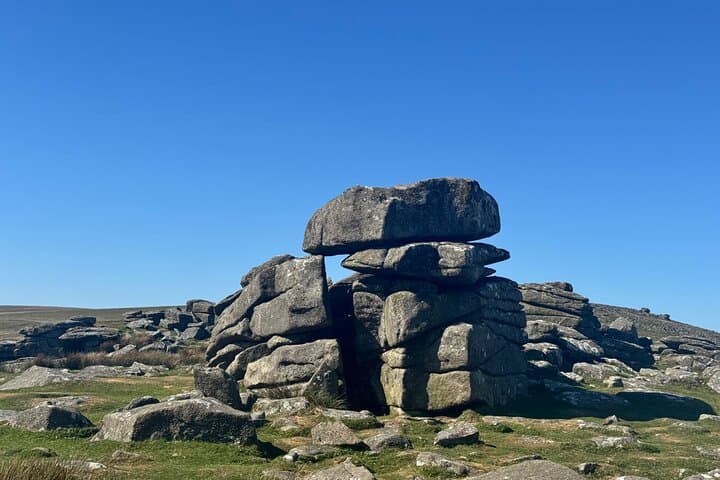
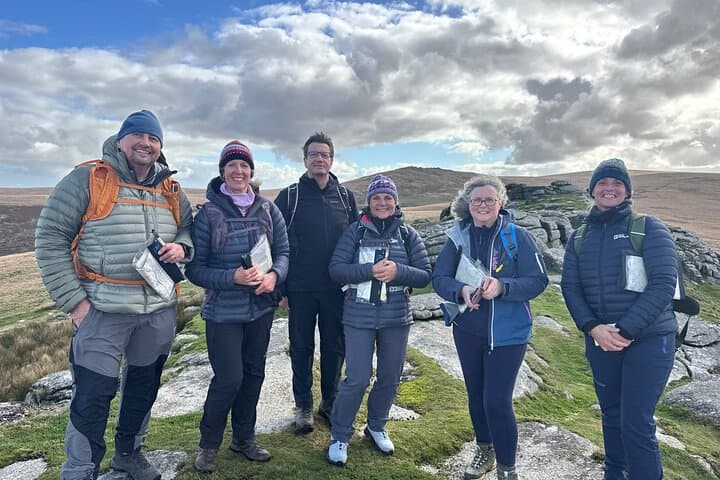
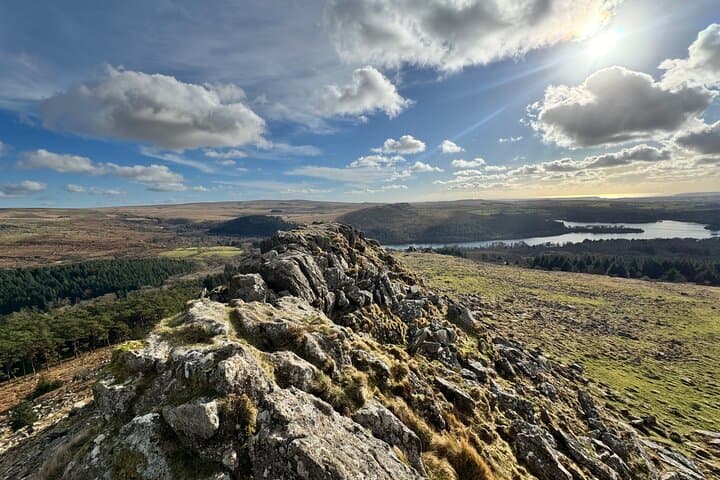
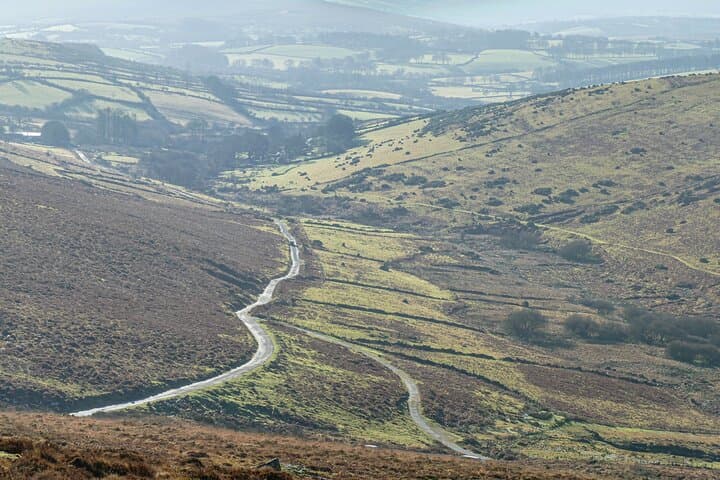
You step off the coach into a cold, clean wind that seems to push your first steps across the moor. Granite tors rise like weathered watchmen above stretches of heather and peat; sheep and the occasional Dartmoor pony watch you pass as the guide folds out a map and points to the ridge you'll climb.
You step off the coach into a cold, clean wind that seems to push your first steps across the moor. Granite tors rise like weathered watchmen above stretches of heather and peat; sheep and the occasional Dartmoor pony watch you pass as the guide folds out a map and points to the ridge you'll climb.
Dartmoor’s story reads in stone and field: Bronze Age cairns, medieval tin-streaming scars, and Victorian cart tracks that cross open moorland. Geology here is blunt and readable—granite intrusions exposed and dressed by millennia of frost and rain. Local guides mix folklore and fact, from wild ponies to the moor’s role in mooring shipping during wartime.
On a 3–4 hour half-day route you’ll tackle short steep sections, boggy patches, and exposed ridgelines to reach one or more tors. Expect variable footing—peat hags, rock steps, and grassy slopes—and views that open suddenly to the English Channel or sink into wooded valleys depending on your line of sight. The tour is paced for travelers with a moderate level of fitness and an appetite for rugged terrain rather than technical climbing.
Practical tip: weather can shift in minutes—layers and waterproofs are essential. Guides often carry maps, route plans, and basic safety kit, but bring water and footwear with good grip. Mornings offer calmer wind and clearer light; late afternoons bring long shadows and richer colors but can be cooler. Respect livestock and leave gates as you find them: Dartmoor is a working landscape as much as an outdoor playground.