THE ADVENTURE COLLECTIVE® · Independent discovery and booking for outdoor travel

Explore Guayaquil in four hours by private car: stroll the Malecón, meet Parque Seminario’s iguanas, climb Bellavista for panoramic skyline views, and sample local coffee at Museo del Café. This half-day private tour pairs urban history with short walks and riverside scenery.
Explore Guayaquil in four hours by private car: stroll the Malecón, meet Parque Seminario’s iguanas, climb Bellavista for panoramic skyline views, and sample local coffee at Museo del Café. This half-day private tour pairs urban history with short walks and riverside scenery.
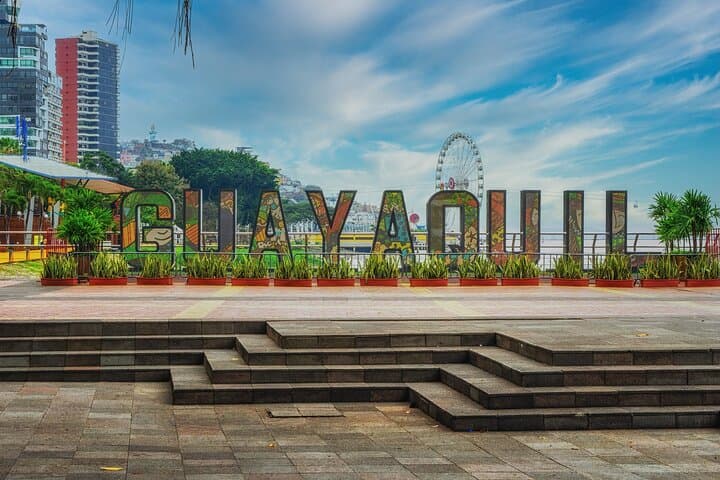
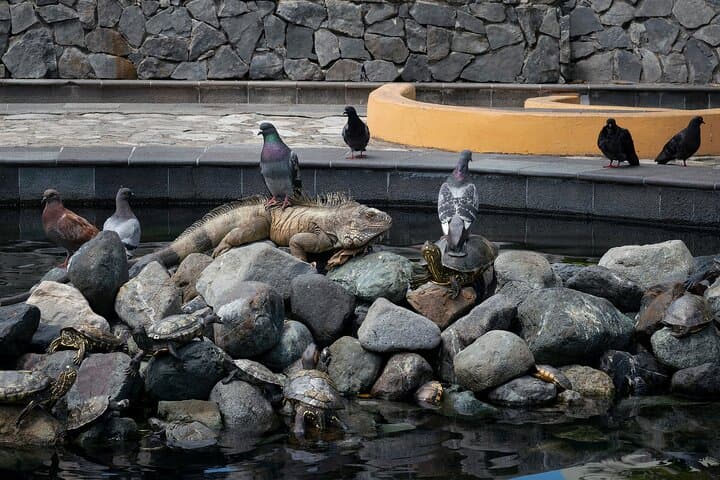
You step out of the car onto a wide riverside promenade and the city opens: the Guayas River pushing past concrete piers, gulls slicing the air, and a line of modern pavilions on the Malecón. The guide leads you toward Parque Seminario where curious iguanas sun on low walls and colonial facades give way to colorful houses climbing Cerro Santa Ana.
Verified experiences and guided adventures in the surrounding area.
Operated by Opatrip Ecuador · Guayaquil, Guayas
You step out of the car onto a wide riverside promenade and the city opens: the Guayas River pushing past concrete piers, gulls slicing the air, and a line of modern pavilions on the Malecón. The guide leads you toward Parque Seminario where curious iguanas sun on low walls and colonial facades give way to colorful houses climbing Cerro Santa Ana.
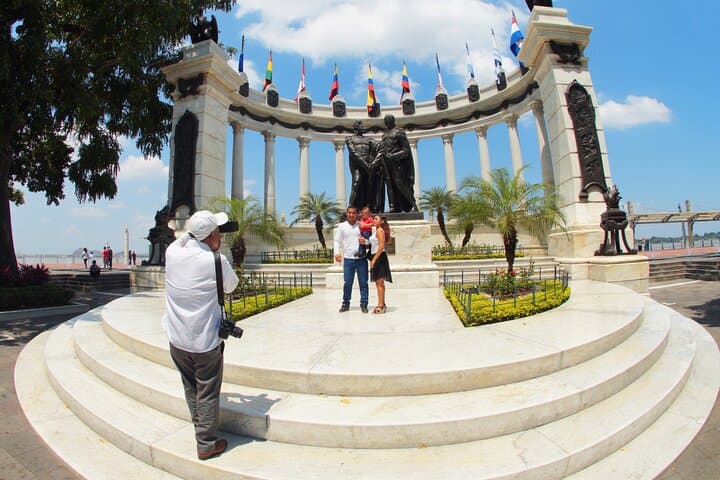
Guayaquil grew as Ecuador’s primary Pacific port; its streets tell that story — from the colonial cobbles of Las Peñas to the Hemiciclo de la Rotonda, where Bolívar and San Martín’s legacies meet. Geologically the city sits on the Guayas estuary, a low-lying plain shaped by river sediment and mangrove edges that once dominated the shoreline. That riverine geography shapes local life: seafood markets, riverside plazas, and the long Malecón esplanade (roughly 2–3 km of walkable waterfront).
Culturally, half a day here balances street-level discoveries and short drives: Palacio de la Gobernación’s architecture, a coffee tasting at Museo del Café, rooftop views from Bellavista, and the artistic stairs of Las Peñas. You’ll feel the city’s pace shift from market bustle to quiet lookout in minutes.
Practical guidance: schedule early morning or late afternoon to avoid midday heat; wear sturdy walking shoes and sun protection; carry water and small local currency for market purchases. Be respectful of wildlife — don’t feed iguanas — and follow your guide’s traffic advice when crossing busy avenues. This private, 4-hour car tour concentrates Guayaquil’s highlights into an accessible, urban outdoor experience.
easy.
4 hours.
Suitable for all fitness levels; involves short walks and minimal elevation (steps up Cerro Santa Ana).
The tour uses private car transport and keeps walking short, but some sites like Cerro Santa Ana have stairs; notify the operator of mobility needs when booking.
Most included stops are guided and cash isn’t required, but carry small local currency for snacks, tips, or market purchases.
Guides typically speak Spanish and often English; confirm language preferences when you book the private tour.
This tour lists all sales final—confirm availability and participant details before booking since refunds are not offered.
Guayaquil developed as Ecuador’s main Pacific port; key sites like the Rotonda mark moments tied to independence and the meeting of Bolívar and San Martín.
The Guayas estuary’s mangroves are ecologically important; visitors should avoid disturbing wildlife, dispose of waste properly, and support local businesses practicing sustainable sourcing.
Opatrip Ecuador operates guided outdoor trips and adventures with an emphasis on safety, stewardship, and memorable experiences.
You step out of the car onto a wide riverside promenade and the city opens: the Guayas River pushing past concrete piers, gulls slicing the air, and a line of modern pavilions on the Malecón. The guide leads you toward Parque Seminario where curious iguanas sun on low walls and colonial facades give way to colorful houses climbing Cerro Santa Ana.
You step out of the car onto a wide riverside promenade and the city opens: the Guayas River pushing past concrete piers, gulls slicing the air, and a line of modern pavilions on the Malecón. The guide leads you toward Parque Seminario where curious iguanas sun on low walls and colonial facades give way to colorful houses climbing Cerro Santa Ana.
Guayaquil grew as Ecuador’s primary Pacific port; its streets tell that story — from the colonial cobbles of Las Peñas to the Hemiciclo de la Rotonda, where Bolívar and San Martín’s legacies meet. Geologically the city sits on the Guayas estuary, a low-lying plain shaped by river sediment and mangrove edges that once dominated the shoreline. That riverine geography shapes local life: seafood markets, riverside plazas, and the long Malecón esplanade (roughly 2–3 km of walkable waterfront).
Culturally, half a day here balances street-level discoveries and short drives: Palacio de la Gobernación’s architecture, a coffee tasting at Museo del Café, rooftop views from Bellavista, and the artistic stairs of Las Peñas. You’ll feel the city’s pace shift from market bustle to quiet lookout in minutes.
Practical guidance: schedule early morning or late afternoon to avoid midday heat; wear sturdy walking shoes and sun protection; carry water and small local currency for market purchases. Be respectful of wildlife — don’t feed iguanas — and follow your guide’s traffic advice when crossing busy avenues. This private, 4-hour car tour concentrates Guayaquil’s highlights into an accessible, urban outdoor experience.