THE ADVENTURE COLLECTIVE® · Independent discovery and booking for outdoor travel

Drive from the Costa Blanca into limestone ridges to visit Guadalest’s hilltop castle and the cooling pools of Fuentes de Algar. This compact half-day tour blends medieval history, karst geology and a chance to swim in clear mountain springs.
Drive from the Costa Blanca into limestone ridges to visit Guadalest’s hilltop castle and the cooling pools of Fuentes de Algar. This compact half-day tour blends medieval history, karst geology and a chance to swim in clear mountain springs.
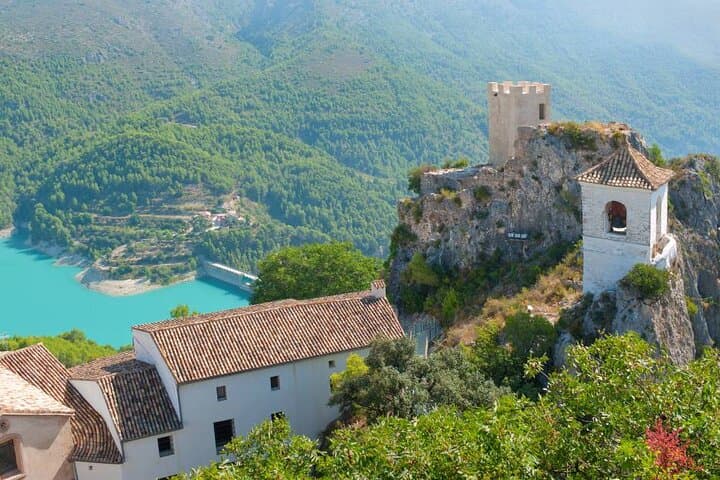
The ride peels away from the sun-baked flats of the Costa Blanca and climbs into limestone ridges where villages grow from the rock. Narrow roads curve past terraced olive groves until the road opens on Guadalest: a compact village above a blue reservoir, its single-street historic hamlet and castle keep daring you toward the viewpoint.
Verified experiences and guided adventures in the surrounding area.
Operated by LLORCA SOLER IVAN ANTONIO · Guadalest, Alicante
The ride peels away from the sun-baked flats of the Costa Blanca and climbs into limestone ridges where villages grow from the rock. Narrow roads curve past terraced olive groves until the road opens on Guadalest: a compact village above a blue reservoir, its single-street historic hamlet and castle keep daring you toward the viewpoint.
This half-day route stitches together local history and geology. Guadalest’s hilltop fortress dates to medieval clashes between Christian and Moorish forces; its whitewashed houses and tiny museums preserve regional memory — from local writers like Gabriel Miró to a surprising collection of miniatures. The driving geology is karst limestone: caves, steep escarpments and narrow gorges that channel clear mountain water to the Algar springs below.
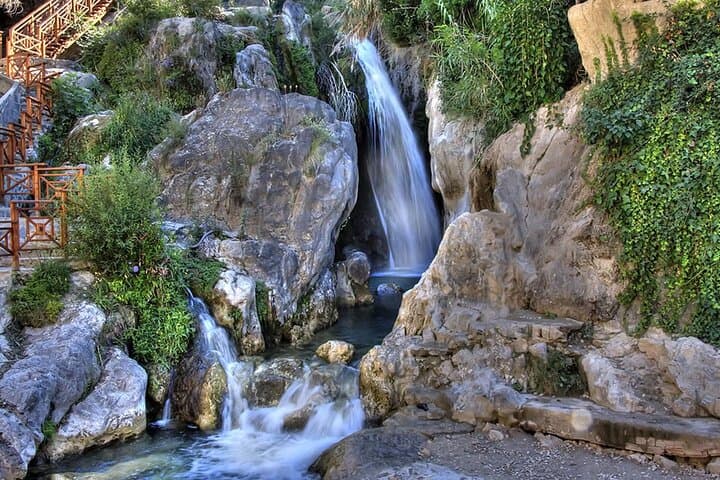
Fuentes de Algar (Fonts de l’Algar) is a contrast — cool plunge pools, stepped cascades and shallow channels scooped into bedrock where the Mediterranean foothills release seasonal flow. The springs are a popular local escape for swimming, so expect other visitors in warm months and slick, uneven rock underfoot.
Practically: the tour runs about 4–5 hours with short walks and multiple stops. Comfortable, closed-toe footwear and a towel are useful; bring swim shoes if you plan to enter the pools. Aim for morning or late afternoon in summer to avoid the hottest sun and busiest windows. Respect posted conservation signs — the springs are maintained for public use but are sensitive to overcrowding and litter. With basic mobility and a readiness for short climbs and stairs, this route gives a compact cross-section of Alicante’s inland character.
easy.
4–5 hours.
Suitable for most fitness levels; expect short stair climbs and paved village streets but no sustained hiking.
The tour lasts about 4–5 hours and includes private transport, guided stops at Guadalest’s castle and museums, and time at Fuentes de Algar; bottled water and onboard Wi‑Fi are provided.
Yes — there are natural pools and shallow cascades suitable for swimming; bring swim shoes and a towel and follow local rules to protect the site.
The tour is family-friendly and labeled physically easy, but Guadalest’s historic center has steep streets and steps; those with limited mobility should expect uneven surfaces.
Admission to some small museums is typically included as noted in the itinerary, but confirm at booking and bring local currency for any optional entries or purchases.
Guadalest developed as a strategic hilltop stronghold during medieval Iberian conflicts; the area later became a rural refuge and inspired regional writers such as Gabriel Miró.
Fonts de l’Algar is managed as a natural recreational area with rules to limit erosion and litter; visitors should avoid bringing glass, respect signage and use marked paths.
LLORCA SOLER IVAN ANTONIO operates guided outdoor trips and adventures with an emphasis on safety, stewardship, and memorable experiences.
The ride peels away from the sun-baked flats of the Costa Blanca and climbs into limestone ridges where villages grow from the rock. Narrow roads curve past terraced olive groves until the road opens on Guadalest: a compact village above a blue reservoir, its single-street historic hamlet and castle keep daring you toward the viewpoint.
The ride peels away from the sun-baked flats of the Costa Blanca and climbs into limestone ridges where villages grow from the rock. Narrow roads curve past terraced olive groves until the road opens on Guadalest: a compact village above a blue reservoir, its single-street historic hamlet and castle keep daring you toward the viewpoint.
This half-day route stitches together local history and geology. Guadalest’s hilltop fortress dates to medieval clashes between Christian and Moorish forces; its whitewashed houses and tiny museums preserve regional memory — from local writers like Gabriel Miró to a surprising collection of miniatures. The driving geology is karst limestone: caves, steep escarpments and narrow gorges that channel clear mountain water to the Algar springs below.
Fuentes de Algar (Fonts de l’Algar) is a contrast — cool plunge pools, stepped cascades and shallow channels scooped into bedrock where the Mediterranean foothills release seasonal flow. The springs are a popular local escape for swimming, so expect other visitors in warm months and slick, uneven rock underfoot.
Practically: the tour runs about 4–5 hours with short walks and multiple stops. Comfortable, closed-toe footwear and a towel are useful; bring swim shoes if you plan to enter the pools. Aim for morning or late afternoon in summer to avoid the hottest sun and busiest windows. Respect posted conservation signs — the springs are maintained for public use but are sensitive to overcrowding and litter. With basic mobility and a readiness for short climbs and stairs, this route gives a compact cross-section of Alicante’s inland character.