THE ADVENTURE COLLECTIVE® · Independent discovery and booking for outdoor travel

In four hours this half-day circuit moves from the ramparts of Fort Frederick to the scents of the Nutmeg Museum, the hands-on chocolate making in Victoria, and a swim beneath Concord Waterfalls. It’s history, flavor, and rainforest in a single, well-paced loop.
In four hours this half-day circuit moves from the ramparts of Fort Frederick to the scents of the Nutmeg Museum, the hands-on chocolate making in Victoria, and a swim beneath Concord Waterfalls. It’s history, flavor, and rainforest in a single, well-paced loop.
You arrive in St. George’s with the harbor at your shoulder and a warm trade wind nudging the palm crowns. The van tucks into the roadside and you climb a short stone path up to Fort Frederick—a weathered, backward-facing fort that opens onto a sweep of coral-blue sea and St. George’s red-roofed bowl below. That first vista sets the tone: a tour that stitches colonial history, plantation-era agriculture, and rainforest water into a compact morning of discovery.
Verified experiences and guided adventures in the surrounding area.
Operated by Explorer Grenada Tours · St. George's, Saint George
You arrive in St. George’s with the harbor at your shoulder and a warm trade wind nudging the palm crowns. The van tucks into the roadside and you climb a short stone path up to Fort Frederick—a weathered, backward-facing fort that opens onto a sweep of coral-blue sea and St. George’s red-roofed bowl below. That first vista sets the tone: a tour that stitches colonial history, plantation-era agriculture, and rainforest water into a compact morning of discovery.
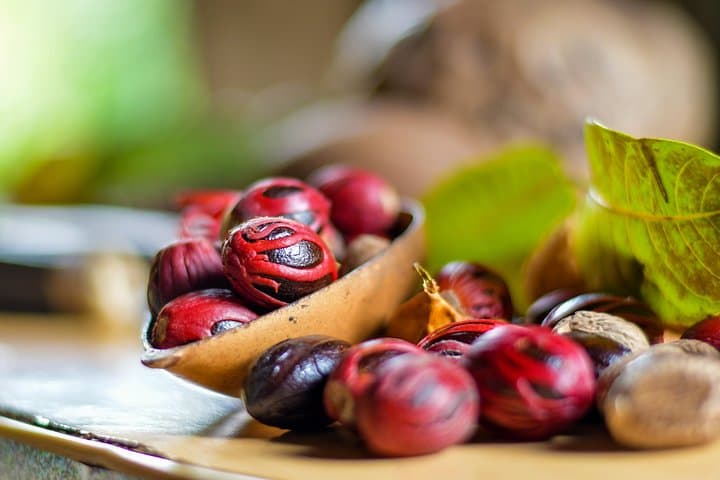
Fort Frederick dates to the 18th century; its odd orientation was a practical answer to naval threat and island topography. Standing on the ramparts, you can picture schooners threading the channel and hear the guide translate contested moments of Grenada’s past into plain, human stories. From there the tour slopes into the island’s spice economy: at the Grenada Nutmeg Museum in Beaulieu you move from view to smell, watching nutmeg and mace drying, learning the chain from orchard to export crate. It’s not trivia—nutmeg shaped Grenada’s modern identity and its fortunes.
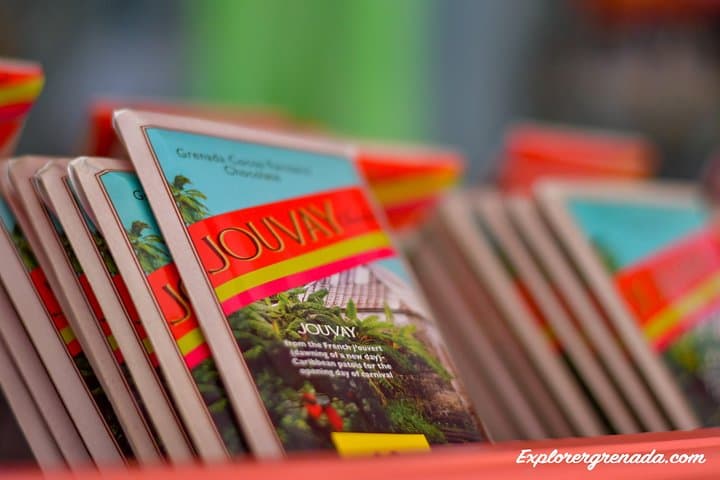
A short drive inland brings you to Victoria’s small-batch chocolate operation, where cacao beans arrive from nearby cooperatives. The factory walk-through is hands-on in tone: roasting, winnowing, grinding, and the slow patience of conching. Tasting means comparing single-origin bars and a chance to buy direct from the maker.
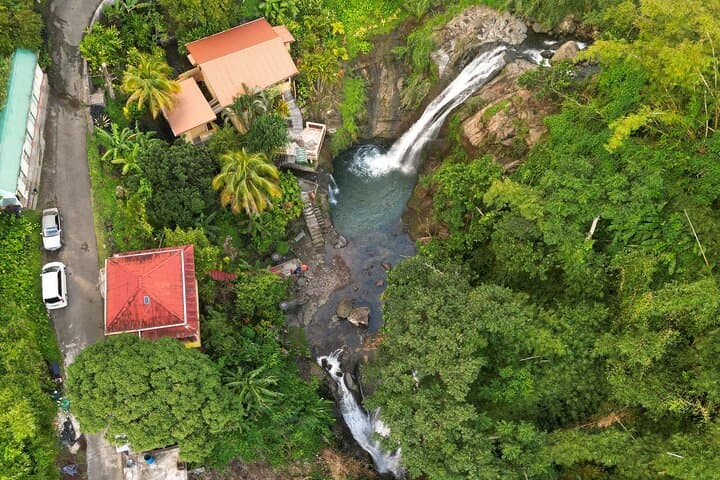
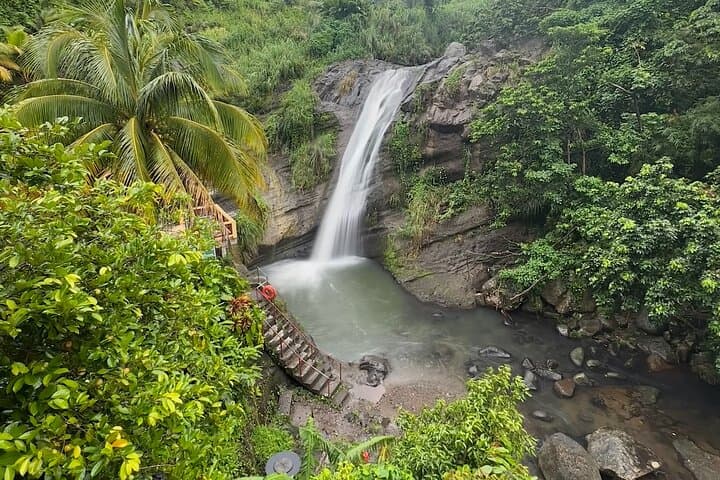
Last comes Concord Waterfalls, where the rainforest lets the island be loud: water daring you to step into a cool plunge pool, ferns leaning in to inspect visitors. The approach is an easy 10–15 minute trail through moist understory and over roots; multiple cascades offer private pockets for a swim.
Practical edge: the route covers a mix of paved and uneven surfaces, a handful of steps at the fort, and a brief rainforest scramble at the falls. The tour lasts about 4–5 hours and includes bottled water and lunch at a local stop—light Creole options that showcase island spices. Pickup is widely available in St. George’s and nearby hotels, making logistics simple for cruise passengers or overnight guests.
Plan to go early to avoid midday heat, carry insect repellent and a towel for the falls, and bring cash for market stalls and small factories. Footwear that can handle both village streets and slippery rocks will keep the day flowing. In four hours you’ll have seen the layered face of Grenada—from colonial stones to spice-scented wind and the rainforest’s cool insistence—compact, informative, and refreshingly tangible.
easy.
4–5 hours.
Suitable for most travelers; minimal walking required but be prepared for short climbs and uneven terrain.
The tour runs approximately 4–5 hours depending on traffic and pickup logistics.
Yes—lunch and bottled water are included at a local stop showcasing Grenadian flavors.
Yes—Concord has accessible pools but children should be supervised; the approach is an easy short trail rather than a steep hike.
Yes—pickup options include the port and hotels in St. George’s; confirm your pickup details when booking.
Admissions mentioned in the itinerary (Fort, chocolate factory, Concord Falls) are included in the tour price.
Some stops have limited accessibility due to stairs and uneven ground; infants in strollers can be accommodated but full wheelchair access is not guaranteed—check with the operator for specifics.
Fort Frederick and the island’s spice trade reflect Grenada’s colonial past: strategic forts watched harbors while nutmeg became a cash crop that reshaped land use in the 19th and 20th centuries.
Local producers emphasize small-batch, sustainable cocoa and nutmeg processing; visitors are encouraged to buy directly and avoid single-use plastics to support the island’s ecosystems.
Explorer Grenada Tours operates guided outdoor trips and adventures with an emphasis on safety, stewardship, and memorable experiences.
You arrive in St. George’s with the harbor at your shoulder and a warm trade wind nudging the palm crowns. The van tucks into the roadside and you climb a short stone path up to Fort Frederick—a weathered, backward-facing fort that opens onto a sweep of coral-blue sea and St. George’s red-roofed bowl below. That first vista sets the tone: a tour that stitches colonial history, plantation-era agriculture, and rainforest water into a compact morning of discovery.
You arrive in St. George’s with the harbor at your shoulder and a warm trade wind nudging the palm crowns. The van tucks into the roadside and you climb a short stone path up to Fort Frederick—a weathered, backward-facing fort that opens onto a sweep of coral-blue sea and St. George’s red-roofed bowl below. That first vista sets the tone: a tour that stitches colonial history, plantation-era agriculture, and rainforest water into a compact morning of discovery.
Fort Frederick dates to the 18th century; its odd orientation was a practical answer to naval threat and island topography. Standing on the ramparts, you can picture schooners threading the channel and hear the guide translate contested moments of Grenada’s past into plain, human stories. From there the tour slopes into the island’s spice economy: at the Grenada Nutmeg Museum in Beaulieu you move from view to smell, watching nutmeg and mace drying, learning the chain from orchard to export crate. It’s not trivia—nutmeg shaped Grenada’s modern identity and its fortunes.
A short drive inland brings you to Victoria’s small-batch chocolate operation, where cacao beans arrive from nearby cooperatives. The factory walk-through is hands-on in tone: roasting, winnowing, grinding, and the slow patience of conching. Tasting means comparing single-origin bars and a chance to buy direct from the maker.
Last comes Concord Waterfalls, where the rainforest lets the island be loud: water daring you to step into a cool plunge pool, ferns leaning in to inspect visitors. The approach is an easy 10–15 minute trail through moist understory and over roots; multiple cascades offer private pockets for a swim.
Practical edge: the route covers a mix of paved and uneven surfaces, a handful of steps at the fort, and a brief rainforest scramble at the falls. The tour lasts about 4–5 hours and includes bottled water and lunch at a local stop—light Creole options that showcase island spices. Pickup is widely available in St. George’s and nearby hotels, making logistics simple for cruise passengers or overnight guests.
Plan to go early to avoid midday heat, carry insect repellent and a towel for the falls, and bring cash for market stalls and small factories. Footwear that can handle both village streets and slippery rocks will keep the day flowing. In four hours you’ll have seen the layered face of Grenada—from colonial stones to spice-scented wind and the rainforest’s cool insistence—compact, informative, and refreshingly tangible.