THE ADVENTURE COLLECTIVE® · Independent discovery and booking for outdoor travel

Spend four hours tracking elk, bison and other winter residents across the National Elk Refuge and into Grand Teton National Park. Small-group vans, expert naturalist guides and roadside stops maximize viewing while minimizing disturbance.
Spend four hours tracking elk, bison and other winter residents across the National Elk Refuge and into Grand Teton National Park. Small-group vans, expert naturalist guides and roadside stops maximize viewing while minimizing disturbance.
A cold light settles over the National Elk Refuge as the van pulls away from Jackson's town square. Snow crunches underfoot and the valley exhales; grasses and sagebrush catch frost while bison dot the distant flats like slow-moving islands. Guides scan the horizon with spotting scopes, and the air seems to hold its breath until a herd lifts its heads and the landscape moves.
Verified experiences and guided adventures in the surrounding area.
Operated by Jackson Hole Wildlife Safaris · Jackson, Wyoming
A cold light settles over the National Elk Refuge as the van pulls away from Jackson's town square. Snow crunches underfoot and the valley exhales; grasses and sagebrush catch frost while bison dot the distant flats like slow-moving islands. Guides scan the horizon with spotting scopes, and the air seems to hold its breath until a herd lifts its heads and the landscape moves.
This half-day run threads the refuge and the southern reaches of Grand Teton National Park. The refuge was established in the early 20th century to protect migratory elk, and the valley rests on recent glacial outwash that carved broad floodplains and the slow meanders of the Snake River. Indigenous Shoshone and Bannock people traveled these routes for millennia; modern conservation efforts balance winter range protection with public access.
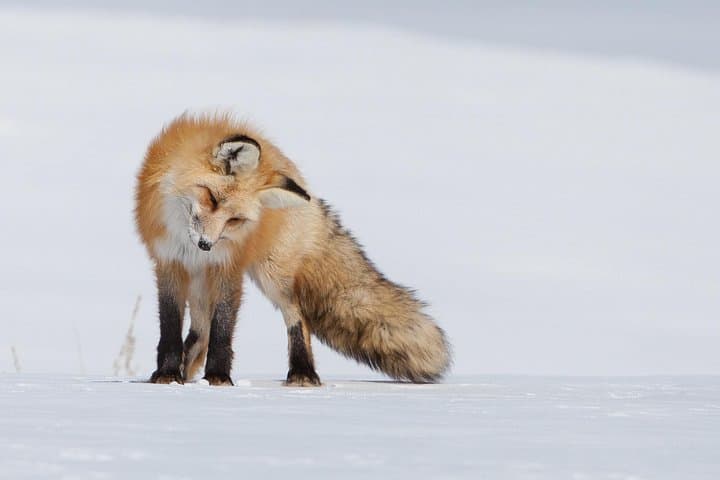
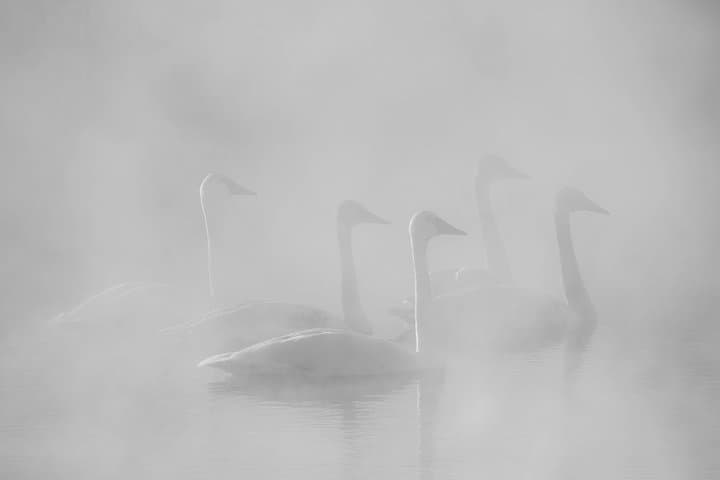
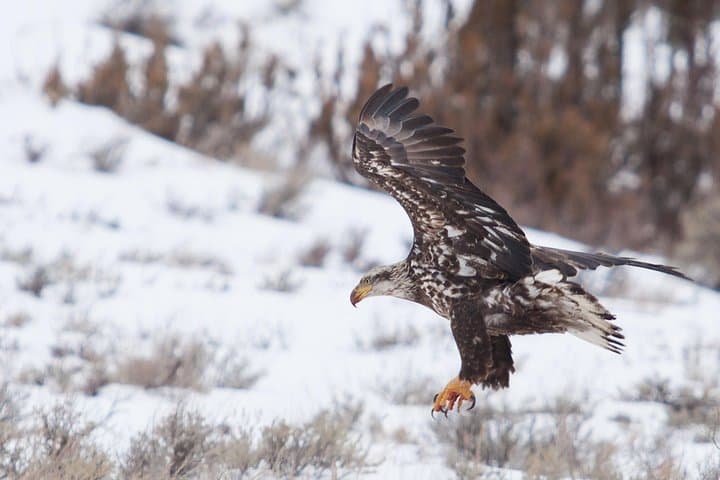
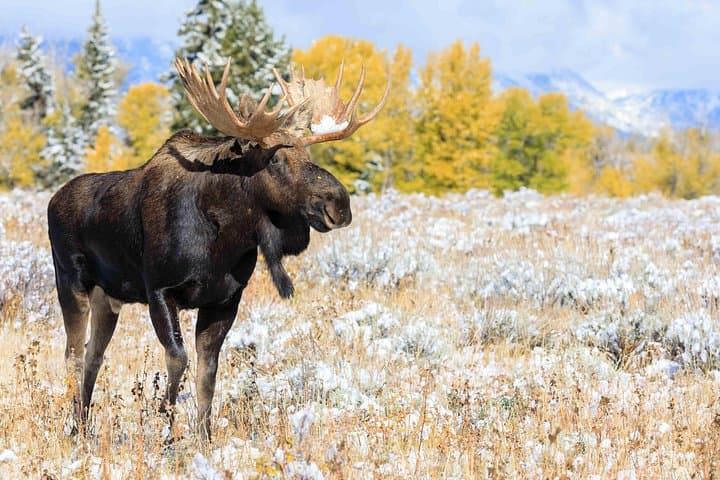
Expect driving with short stops at pullouts and overlooks—Antelope Flats, Oxbow Bend if conditions allow, and interpretive stops near the visitor centers. Wildlife is the focus: elk, bison, mule deer, moose, foxes, raptors and waterfowl all feature depending on season and luck. Guides tailor the route to road and weather conditions, prioritizing animal welfare and viewing distance.
Practical notes: dress in warm, layered clothing and waterproof footwear; bring a charged camera and binoculars if you prefer your own optics (UHD scopes are provided). Tours run about four hours with small groups (max eight), include bottled water, snacks and hotel pickup. Know that park entrance fees are not included and that viewing depends on seasonal movement—early morning light improves sighting chances.
easy.
4 hours.
Suitable for most fitness levels; minimal walking and mostly vehicle-based viewing
No—Grand Teton National Park entrance fees are not included; bring a pass or expect to pay entry at the gate.
The minimum age is typically 8 years old for shared safaris; private safaris may have different rules—check at booking.
Wolves are present but elusive; sightings are uncommon and depend on season, pack movements and luck—expect more regular sightings of bison and elk.
Yes—hotel or lodging pickup and drop-off are included in the tour logistics for most central Jackson locations.
The National Elk Refuge was created in 1912 to protect wintering elk and preserve migration corridors; Jackson Hole has long been a crossroads for Indigenous peoples and later Western conservation efforts.
Guides emphasize staying on roads, minimizing noise and keeping distance from animals—these practices reduce stress on wintering wildlife and protect critical forage areas.
Jackson Hole Wildlife Safaris operates guided outdoor trips and adventures with an emphasis on safety, stewardship, and memorable experiences.
A cold light settles over the National Elk Refuge as the van pulls away from Jackson's town square. Snow crunches underfoot and the valley exhales; grasses and sagebrush catch frost while bison dot the distant flats like slow-moving islands. Guides scan the horizon with spotting scopes, and the air seems to hold its breath until a herd lifts its heads and the landscape moves.
A cold light settles over the National Elk Refuge as the van pulls away from Jackson's town square. Snow crunches underfoot and the valley exhales; grasses and sagebrush catch frost while bison dot the distant flats like slow-moving islands. Guides scan the horizon with spotting scopes, and the air seems to hold its breath until a herd lifts its heads and the landscape moves.
This half-day run threads the refuge and the southern reaches of Grand Teton National Park. The refuge was established in the early 20th century to protect migratory elk, and the valley rests on recent glacial outwash that carved broad floodplains and the slow meanders of the Snake River. Indigenous Shoshone and Bannock people traveled these routes for millennia; modern conservation efforts balance winter range protection with public access.
Expect driving with short stops at pullouts and overlooks—Antelope Flats, Oxbow Bend if conditions allow, and interpretive stops near the visitor centers. Wildlife is the focus: elk, bison, mule deer, moose, foxes, raptors and waterfowl all feature depending on season and luck. Guides tailor the route to road and weather conditions, prioritizing animal welfare and viewing distance.
Practical notes: dress in warm, layered clothing and waterproof footwear; bring a charged camera and binoculars if you prefer your own optics (UHD scopes are provided). Tours run about four hours with small groups (max eight), include bottled water, snacks and hotel pickup. Know that park entrance fees are not included and that viewing depends on seasonal movement—early morning light improves sighting chances.