THE ADVENTURE COLLECTIVE® · Independent discovery and booking for outdoor travel

Ride a camel across the Giza Plateau and see the Great Pyramids up close on this private half-day tour led by an Egyptologist. Expect focused, accessible exploration with time for panoramic photos, the Sphinx, and a traditional Egyptian lunch.
Ride a camel across the Giza Plateau and see the Great Pyramids up close on this private half-day tour led by an Egyptologist. Expect focused, accessible exploration with time for panoramic photos, the Sphinx, and a traditional Egyptian lunch.
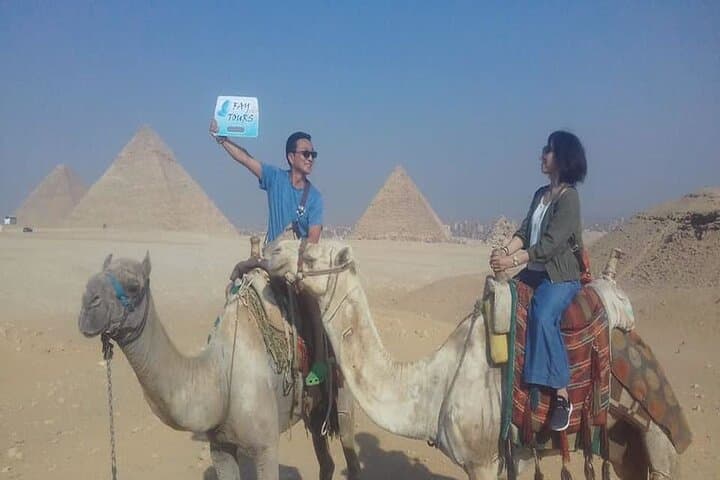
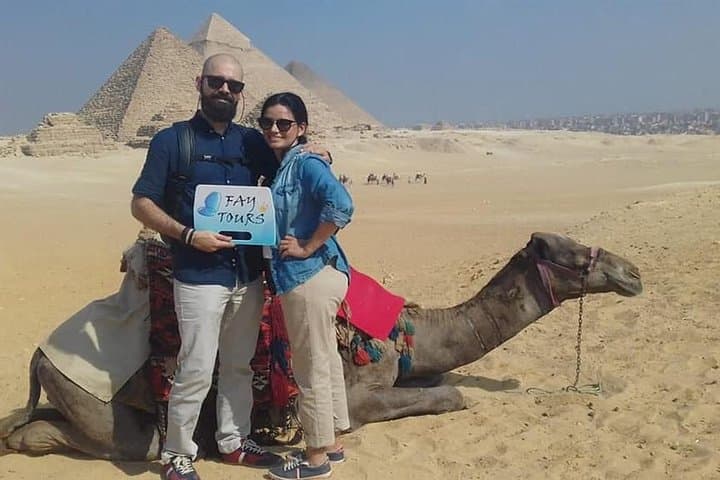
Sand shifts like slow handwriting across the Giza Plateau as the three pyramids rise from the horizon — a direct, stubborn geometry against an endless sky. A private, four-hour tour delivers that first disorienting pulse: you step from an air-conditioned vehicle into wind, stone, and the low, patient breathing of a camel waiting at the pyramid bases.
Verified experiences and guided adventures in the surrounding area.
Operated by Fay Tours · Giza, Giza Governorate
Sand shifts like slow handwriting across the Giza Plateau as the three pyramids rise from the horizon — a direct, stubborn geometry against an endless sky. A private, four-hour tour delivers that first disorienting pulse: you step from an air-conditioned vehicle into wind, stone, and the low, patient breathing of a camel waiting at the pyramid bases.
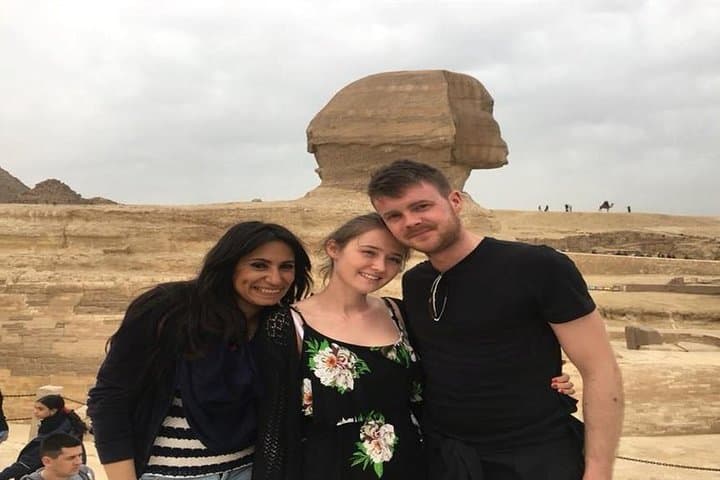
The plateau is both archaeological site and funerary landscape. Khufu, Khafre, and Menkaure dominate an ancient skyline that records Egypt’s Bronze Age ambition; nearby, the Sphinx and Valley Temple speak to ritual routes and the logistics of royal burial. The plateau’s limestone bedrock and desert sands preserve carved blocks and the occasional exposed worker’s camp, making geology and human craft obvious in the same glance.
Culturally, the site sits at the intersection of local life and global curiosity — vendors, guides, and conservators all contend with the daily pressure of tourism while protecting fragile remains. Practicalities matter: timing, hydration, and shade change the quality of the visit more than speed. Expect walking on uneven stone and sand; the camel ride is typically 20–30 minutes near the pyramid bases and is led by handlers who know the terrain.
Plan around midday heat; mornings or late afternoons offer cooler light and better photos. Museums and the Solar Boat display are optional and may require extra fees. Bring closed-toe shoes, sun protection, and a small amount of local currency for tips and small purchases. With a knowledgeable Egyptologist guiding the route, the plateau turns from postcard spectacle into readable history — one stone and story at a time.
easy.
4 hours.
Suitable for most fitness levels; involves short walks on uneven stone and sand and a seated camel ride.
Handlers lead camels at a slow pace and provide basic mounting assistance; however, consider mobility and comfort—seniors or small children should assess mounting steps and speak with the operator about alternatives.
The Solar Boat Museum and some inside visits typically require a separate entrance fee; confirm with your operator if you want that included ahead of time.
Access inside the pyramids is limited and often requires advance tickets or separate fees; check current site restrictions and book in advance if desired.
The tour lists wheelchair-accessible transportation and areas, but access onto uneven plateau surfaces and camels is limited—contact the operator to discuss specific needs.
The Giza necropolis dates to Egypt’s Fourth Dynasty; the Great Pyramid of Khufu was completed around 2560 BCE and remains one of the world’s oldest monumental structures.
Site managers balance tourism and preservation with controlled visitor routes, conservation projects, and rules against climbing monuments to reduce erosion and structural damage.
Fay Tours operates guided outdoor trips and adventures with an emphasis on safety, stewardship, and memorable experiences.

Sand shifts like slow handwriting across the Giza Plateau as the three pyramids rise from the horizon — a direct, stubborn geometry against an endless sky. A private, four-hour tour delivers that first disorienting pulse: you step from an air-conditioned vehicle into wind, stone, and the low, patient breathing of a camel waiting at the pyramid bases.
Sand shifts like slow handwriting across the Giza Plateau as the three pyramids rise from the horizon — a direct, stubborn geometry against an endless sky. A private, four-hour tour delivers that first disorienting pulse: you step from an air-conditioned vehicle into wind, stone, and the low, patient breathing of a camel waiting at the pyramid bases.
The plateau is both archaeological site and funerary landscape. Khufu, Khafre, and Menkaure dominate an ancient skyline that records Egypt’s Bronze Age ambition; nearby, the Sphinx and Valley Temple speak to ritual routes and the logistics of royal burial. The plateau’s limestone bedrock and desert sands preserve carved blocks and the occasional exposed worker’s camp, making geology and human craft obvious in the same glance.
Culturally, the site sits at the intersection of local life and global curiosity — vendors, guides, and conservators all contend with the daily pressure of tourism while protecting fragile remains. Practicalities matter: timing, hydration, and shade change the quality of the visit more than speed. Expect walking on uneven stone and sand; the camel ride is typically 20–30 minutes near the pyramid bases and is led by handlers who know the terrain.
Plan around midday heat; mornings or late afternoons offer cooler light and better photos. Museums and the Solar Boat display are optional and may require extra fees. Bring closed-toe shoes, sun protection, and a small amount of local currency for tips and small purchases. With a knowledgeable Egyptologist guiding the route, the plateau turns from postcard spectacle into readable history — one stone and story at a time.