THE ADVENTURE COLLECTIVE® · Independent discovery and booking for outdoor travel

A compact, private half-day that brings you face-to-face with the Pyramids of Giza, the Sphinx, and a short camel ride. Includes pickup, an Egyptologist guide, and options for lunch and pyramid entry.
A compact, private half-day that brings you face-to-face with the Pyramids of Giza, the Sphinx, and a short camel ride. Includes pickup, an Egyptologist guide, and options for lunch and pyramid entry.
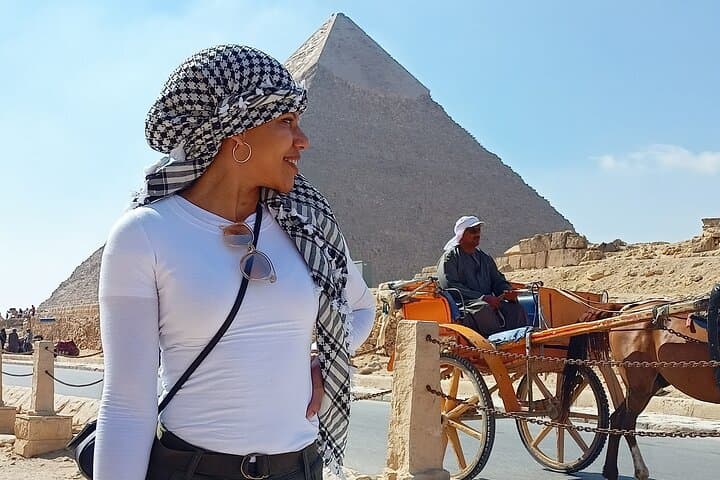
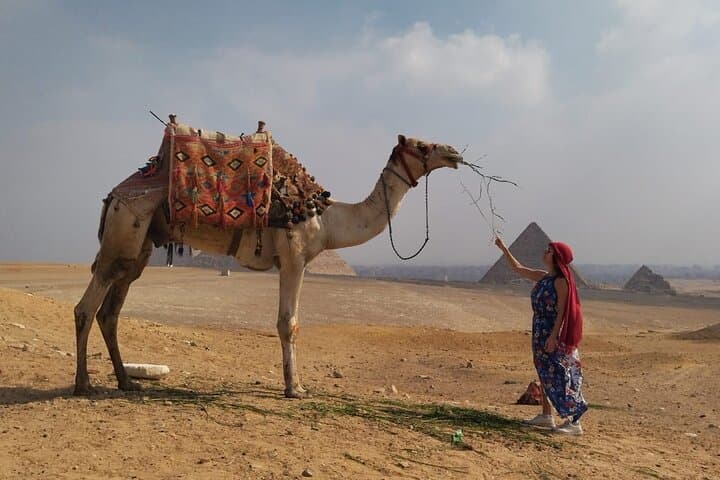
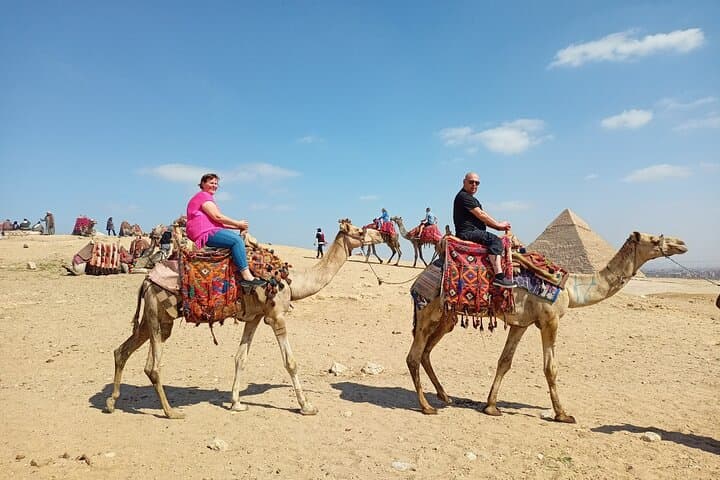
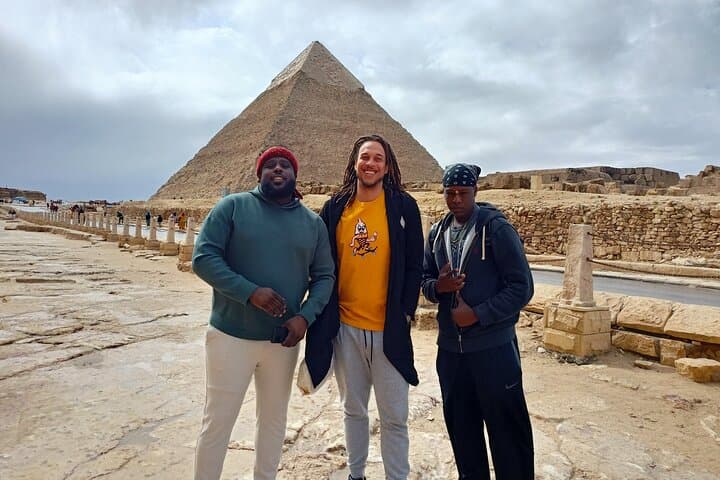
The heat lifts off the asphalt as the private A/C vehicle eases onto the Giza plateau, and the Great Pyramid looms like a stone horizon—broad, sun-bleached, and exacting. Guests step from the car into a wind that carries grit and a chorus of vendors; camels shift their weight nearby, patient and sure-footed, ready for a twenty-minute ride that frames the pyramids in motion.
Verified experiences and guided adventures in the surrounding area.
Operated by Misk Tours · Giza, Giza Governorate
The heat lifts off the asphalt as the private A/C vehicle eases onto the Giza plateau, and the Great Pyramid looms like a stone horizon—broad, sun-bleached, and exacting. Guests step from the car into a wind that carries grit and a chorus of vendors; camels shift their weight nearby, patient and sure-footed, ready for a twenty-minute ride that frames the pyramids in motion.
This compact route threads the Old Kingdom’s most famous monuments: Khufu’s towering pyramid—still the sole survivor of the ancient Seven Wonders—Khafre’s complex with its causeway and Valley Temple, and Menkaure’s smaller, granite-clad pyramid. The Sphinx sits lower on the plateau, a lion-bodied guardian with the face of a Pharaoh. Geologically, the plateau is limestone bedrock quarried and shaped over millennia; granite used in interior chambers was brought downriver from Aswan.
Culturally, an Egyptologist guide translates the dry measurements into human stories: labor organization, funerary rites, and how these monuments anchored a city that relied on the Nile and desert trade.
Practical notes: the tour runs about 4–5 hours with hotel pickup and drop-off; entrance fees and lunch depend on the ticket option. Entering the Great Pyramid requires a special ticket and is subject to availability. Expect uneven footing, strong sun, and short walking spells between viewpoints. Bring water, sun protection, sturdy shoes, and your camera. Time visits for morning or late afternoon to avoid peak heat and to get the best light for photos.
This half-day is compact, sensory, and historical—ideal for travelers who want a concentrated encounter with Egypt’s oldest public stage.
easy.
4–5 hours.
Suitable for most fitness levels; requires short walks across uneven, sandy terrain and standing for photo stops.
Entering Khufu’s Great Pyramid requires a separate, limited-availability ticket; notify the operator in advance and expect an additional fee if you want interior access.
A 20-minute camel ride is offered based on the selected price option—confirm at booking; rides are typically supervised by handlers and can be declined on request.
Some pricing options include entrance fees and lunch; the tour listing specifies which options cover these items—verify when you book.
Yes—this is rated easy and suitable for most ages, but be mindful of sun exposure, uneven ground, and the short walks between sites.
The Giza complex was built during Egypt’s Fourth Dynasty (~2600–2500 BCE); Khufu’s pyramid held the record as the tallest human-made structure for millennia.
The site is managed with strict protections—avoid touching or climbing monuments, follow marked paths, and support licensed guides to reduce impact.
Misk Tours operates guided outdoor trips and adventures with an emphasis on safety, stewardship, and memorable experiences.
The heat lifts off the asphalt as the private A/C vehicle eases onto the Giza plateau, and the Great Pyramid looms like a stone horizon—broad, sun-bleached, and exacting. Guests step from the car into a wind that carries grit and a chorus of vendors; camels shift their weight nearby, patient and sure-footed, ready for a twenty-minute ride that frames the pyramids in motion.
The heat lifts off the asphalt as the private A/C vehicle eases onto the Giza plateau, and the Great Pyramid looms like a stone horizon—broad, sun-bleached, and exacting. Guests step from the car into a wind that carries grit and a chorus of vendors; camels shift their weight nearby, patient and sure-footed, ready for a twenty-minute ride that frames the pyramids in motion.
This compact route threads the Old Kingdom’s most famous monuments: Khufu’s towering pyramid—still the sole survivor of the ancient Seven Wonders—Khafre’s complex with its causeway and Valley Temple, and Menkaure’s smaller, granite-clad pyramid. The Sphinx sits lower on the plateau, a lion-bodied guardian with the face of a Pharaoh. Geologically, the plateau is limestone bedrock quarried and shaped over millennia; granite used in interior chambers was brought downriver from Aswan.
Culturally, an Egyptologist guide translates the dry measurements into human stories: labor organization, funerary rites, and how these monuments anchored a city that relied on the Nile and desert trade.
Practical notes: the tour runs about 4–5 hours with hotel pickup and drop-off; entrance fees and lunch depend on the ticket option. Entering the Great Pyramid requires a special ticket and is subject to availability. Expect uneven footing, strong sun, and short walking spells between viewpoints. Bring water, sun protection, sturdy shoes, and your camera. Time visits for morning or late afternoon to avoid peak heat and to get the best light for photos.
This half-day is compact, sensory, and historical—ideal for travelers who want a concentrated encounter with Egypt’s oldest public stage.