THE ADVENTURE COLLECTIVE® · Independent discovery and booking for outdoor travel

Spend a focused half-day on the Giza Plateau with an Egyptologist, visiting the Great Pyramid, Khafre and Menkaure pyramids, plus the Sphinx. This practical guide explains what you’ll see, local context, and how to prepare for heat, uneven terrain and ticketing.
Spend a focused half-day on the Giza Plateau with an Egyptologist, visiting the Great Pyramid, Khafre and Menkaure pyramids, plus the Sphinx. This practical guide explains what you’ll see, local context, and how to prepare for heat, uneven terrain and ticketing.
The air on the Giza Plateau feels like a film set — sun baking the limestone, a hush broken by distant vendors and the soft scrape of camel hooves. You step from an air-conditioned vehicle onto the open sweep in front of the Great Pyramid; the structure looms precise and geometric, its edges slicing the clear Cairo sky.
Verified experiences and guided adventures in the surrounding area.
Operated by Egyptravel Tours · Giza, Giza Governorate
The air on the Giza Plateau feels like a film set — sun baking the limestone, a hush broken by distant vendors and the soft scrape of camel hooves. You step from an air-conditioned vehicle onto the open sweep in front of the Great Pyramid; the structure looms precise and geometric, its edges slicing the clear Cairo sky.
This half-day tour threads through three major tomb complexes: Khufu’s Great Pyramid, Khafre’s pyramid and mortuary temple (with the Sphinx at its face), and Menkaure’s smaller, differently proportioned tomb. Geology and craft meet here — quarried limestone and granite blocks transported and set into place around 2560 BCE, leaving a landscape of deliberate angles and weathered faces. Culturally, the plateau is both modern tourist site and ancient funerary landscape: the Sphinx likely represents Khafre and guards the valley temple where mummification rites once occurred.
Expect guided interpretation from a qualified Egyptologist, panoramic viewpoints for classic photographs, and stops at the Khafre Valley Temple where close-up reliefs reveal ancient toolmarks. Note that interior pyramid access is often excluded; your guide will explain ticketing and timing.
Practical guidance: go early to avoid heat and crowds, wear sturdy closed shoes for uneven stone, and bring sun protection and a refillable bottle (bottled water is usually provided). Respect signage — climbing monuments is prohibited — and budget time for hotel pickup and return. The tour balances high-impact history with manageable logistics, making a concentrated introduction to one of the planet’s most consequential archaeological sites.
easy.
4–5 hours.
Suitable for most fitness levels — you should be able to walk short distances on uneven ground and stand for guided explanations.
Interior access is often not included in standard half-day tours; check with your operator and be prepared to purchase separate tickets if available.
No — climbing or touching monuments is prohibited to protect fragile stone; follow signs and your guide’s instructions.
The plateau has uneven ground and sandy slopes but many tour operators offer wheelchair-accessible vehicles and routes; confirm accessibility details when booking.
This tour includes a qualified Egyptologist speaking English; ask about other language options at booking if needed.
The Great Pyramid (Khufu) dates to roughly 2560 BCE and was long considered the oldest of the Seven Wonders; the Sphinx is commonly associated with Khafre and his funerary complex.
Visitor impact and wind erosion threaten exposed stones; follow marked paths, avoid touching reliefs, and support licensed guides and official site conservation fees.
Egyptravel Tours operates guided outdoor trips and adventures with an emphasis on safety, stewardship, and memorable experiences.
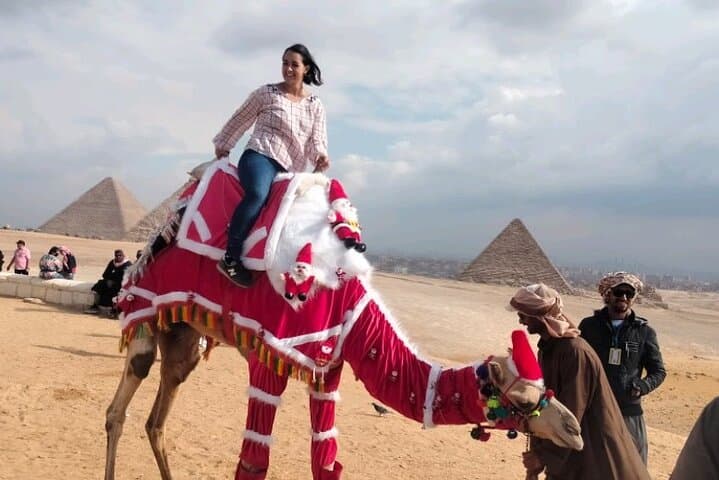
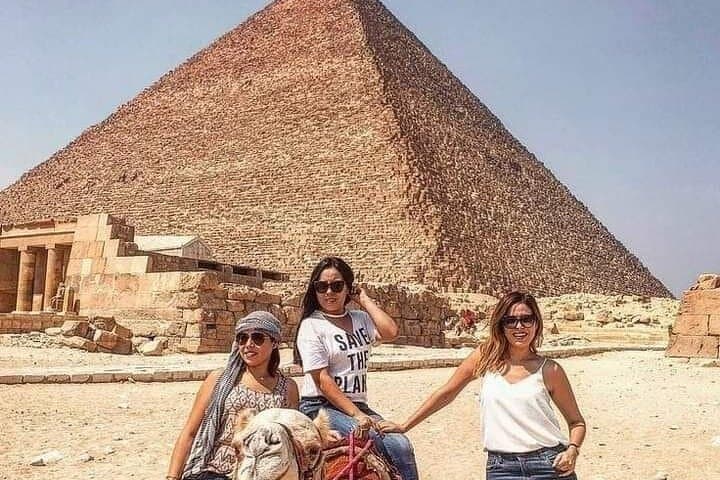
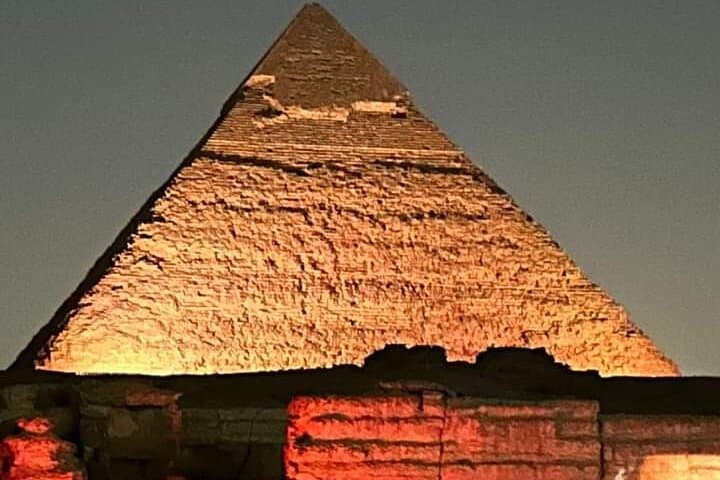
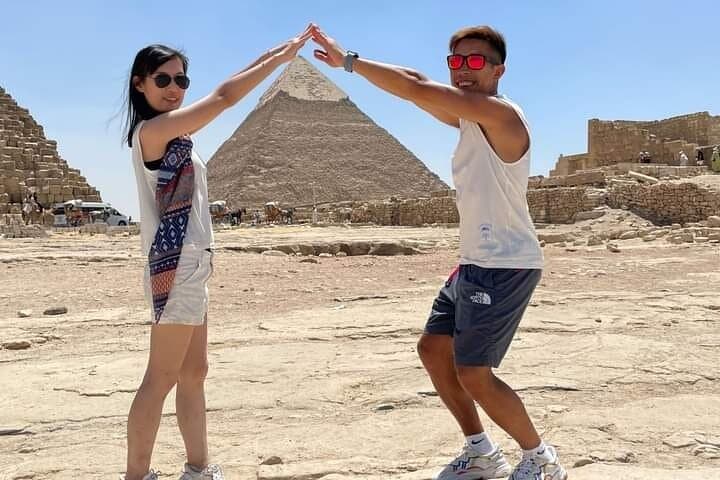
The air on the Giza Plateau feels like a film set — sun baking the limestone, a hush broken by distant vendors and the soft scrape of camel hooves. You step from an air-conditioned vehicle onto the open sweep in front of the Great Pyramid; the structure looms precise and geometric, its edges slicing the clear Cairo sky.
The air on the Giza Plateau feels like a film set — sun baking the limestone, a hush broken by distant vendors and the soft scrape of camel hooves. You step from an air-conditioned vehicle onto the open sweep in front of the Great Pyramid; the structure looms precise and geometric, its edges slicing the clear Cairo sky.
This half-day tour threads through three major tomb complexes: Khufu’s Great Pyramid, Khafre’s pyramid and mortuary temple (with the Sphinx at its face), and Menkaure’s smaller, differently proportioned tomb. Geology and craft meet here — quarried limestone and granite blocks transported and set into place around 2560 BCE, leaving a landscape of deliberate angles and weathered faces. Culturally, the plateau is both modern tourist site and ancient funerary landscape: the Sphinx likely represents Khafre and guards the valley temple where mummification rites once occurred.
Expect guided interpretation from a qualified Egyptologist, panoramic viewpoints for classic photographs, and stops at the Khafre Valley Temple where close-up reliefs reveal ancient toolmarks. Note that interior pyramid access is often excluded; your guide will explain ticketing and timing.
Practical guidance: go early to avoid heat and crowds, wear sturdy closed shoes for uneven stone, and bring sun protection and a refillable bottle (bottled water is usually provided). Respect signage — climbing monuments is prohibited — and budget time for hotel pickup and return. The tour balances high-impact history with manageable logistics, making a concentrated introduction to one of the planet’s most consequential archaeological sites.