THE ADVENTURE COLLECTIVE® · Independent discovery and booking for outdoor travel

See the Great Pyramid, Khafre, Menkaure and the Sphinx in one focused morning with private transfers and lunch at 9 Pyramids. Perfect for travelers who want a concise, guided introduction to Giza’s iconic monuments.
See the Great Pyramid, Khafre, Menkaure and the Sphinx in one focused morning with private transfers and lunch at 9 Pyramids. Perfect for travelers who want a concise, guided introduction to Giza’s iconic monuments.
Morning light hits the plateau like a spotlight, and the pyramids sit patient and geometrical against an open Cairo sky. You step from an air-conditioned car onto hard-packed sand; the sun dares you forward while a gentle wind shifts dust across ancient stones. The tour opens at 8:00 with hotel pickup in Cairo or Giza, and the rhythm is brisk — three to four hours spent moving between the Great Pyramid, Khafre, Menkaure and the Sphinx before a riverside-style lunch at the nearby 9 Pyramids restaurant.
Verified experiences and guided adventures in the surrounding area.
Operated by Egipto Excursiones · Giza, Giza Governorate
Morning light hits the plateau like a spotlight, and the pyramids sit patient and geometrical against an open Cairo sky. You step from an air-conditioned car onto hard-packed sand; the sun dares you forward while a gentle wind shifts dust across ancient stones. The tour opens at 8:00 with hotel pickup in Cairo or Giza, and the rhythm is brisk — three to four hours spent moving between the Great Pyramid, Khafre, Menkaure and the Sphinx before a riverside-style lunch at the nearby 9 Pyramids restaurant.
Geology here is plain and stubborn: the Giza Plateau is limestone bedrock capped with quarried blocks that became some of the oldest megastructures on Earth. The Great Pyramid dates to c. 2580–2560 BC and was built as a funerary monument; the Sphinx is cut from the plateau itself and bears the weathered face of centuries. Culturally, the site sits at the edge of a living city — vendors, camel handlers, and modern traffic frame the archaeological zone, so expect a mix of quiet stone and contemporary commerce.
Practically, this is a low-technical, moderate-activity outing: short walks on uneven, sandy surfaces, occasional steps and open sun. The tour typically includes a guide, private transfers, bottled water, lunch and basic entry fees; extended interior access or special tomb tickets may cost extra. Wear closed-toe shoes, bring sun protection, and keep a small amount of cash for tips or optional extras. If you have spinal, cardiac or pregnancy concerns, note the tour advises against participation. Arrive early to avoid heat, and let the stones do the talking — they’ll hold their mysteries, but you’ll leave with a clearer map of how ancient Egypt ordered the sky and stone.
moderate.
3–4 hours.
Light walking ability required; comfortable for anyone who can handle 1–2 miles of uneven terrain and heat exposure.
Yes — the tour includes private air-conditioned transfers with pickup from Cairo or Giza hotels, typically starting around 8:00 AM.
Basic area entry fees are generally included, but access inside certain pyramids or additional tombs may require extra tickets or payments.
The tour is suitable for most ages, but uneven surfaces and heat may be challenging for very young children or those with mobility or heart/back issues; the operator notes restrictions for pregnancy and spinal/cardiac conditions.
Yes — camel rides and photo opportunities are common but arranged and paid for on-site; agree on a price before participating.
The Giza Pyramid complex dates to Egypt’s Fourth Dynasty; Khufu’s Great Pyramid is one of the last surviving Ancient Wonders and was constructed c. 2580–2560 BC.
Visitor pressure and urban expansion stress the plateau; stay on designated paths, avoid touching fragile stone surfaces, and follow guide instructions to limit erosion and wear.
Egipto Excursiones operates guided outdoor trips and adventures with an emphasis on safety, stewardship, and memorable experiences.
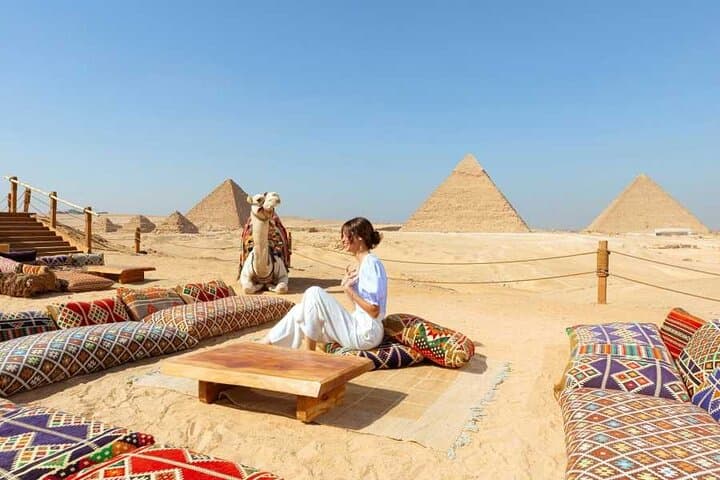
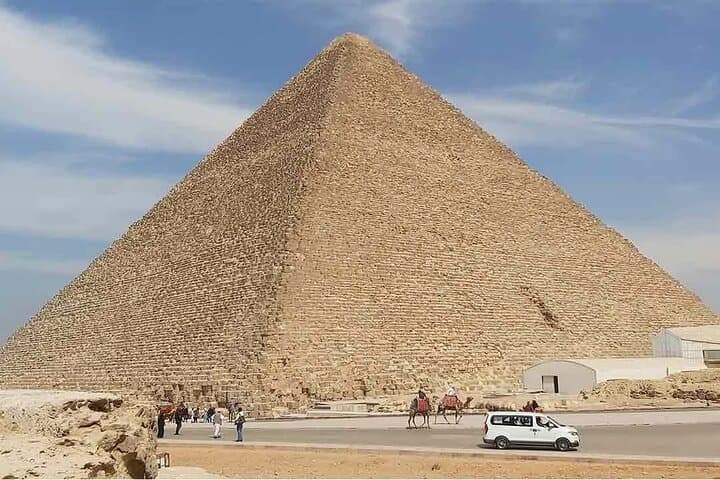
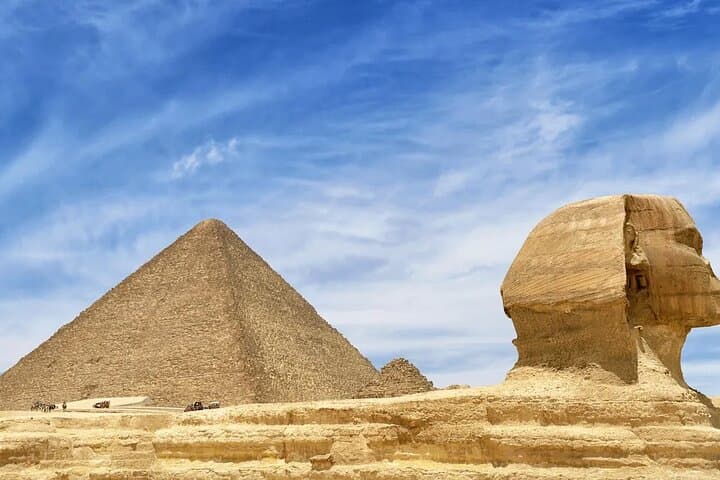
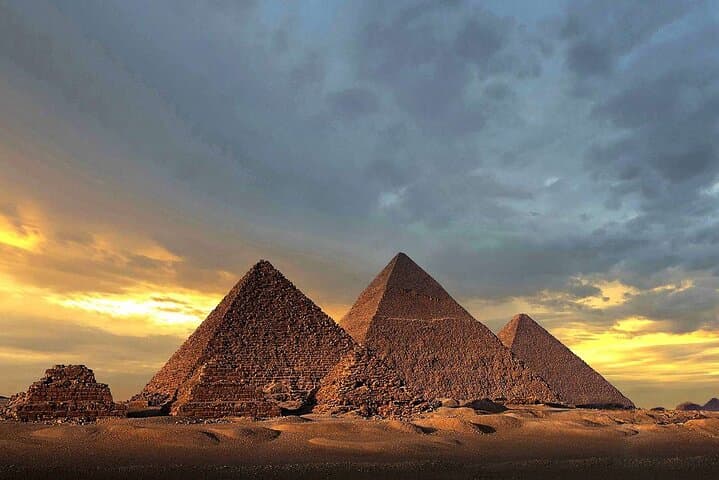
Morning light hits the plateau like a spotlight, and the pyramids sit patient and geometrical against an open Cairo sky. You step from an air-conditioned car onto hard-packed sand; the sun dares you forward while a gentle wind shifts dust across ancient stones. The tour opens at 8:00 with hotel pickup in Cairo or Giza, and the rhythm is brisk — three to four hours spent moving between the Great Pyramid, Khafre, Menkaure and the Sphinx before a riverside-style lunch at the nearby 9 Pyramids restaurant.
Morning light hits the plateau like a spotlight, and the pyramids sit patient and geometrical against an open Cairo sky. You step from an air-conditioned car onto hard-packed sand; the sun dares you forward while a gentle wind shifts dust across ancient stones. The tour opens at 8:00 with hotel pickup in Cairo or Giza, and the rhythm is brisk — three to four hours spent moving between the Great Pyramid, Khafre, Menkaure and the Sphinx before a riverside-style lunch at the nearby 9 Pyramids restaurant.
Geology here is plain and stubborn: the Giza Plateau is limestone bedrock capped with quarried blocks that became some of the oldest megastructures on Earth. The Great Pyramid dates to c. 2580–2560 BC and was built as a funerary monument; the Sphinx is cut from the plateau itself and bears the weathered face of centuries. Culturally, the site sits at the edge of a living city — vendors, camel handlers, and modern traffic frame the archaeological zone, so expect a mix of quiet stone and contemporary commerce.
Practically, this is a low-technical, moderate-activity outing: short walks on uneven, sandy surfaces, occasional steps and open sun. The tour typically includes a guide, private transfers, bottled water, lunch and basic entry fees; extended interior access or special tomb tickets may cost extra. Wear closed-toe shoes, bring sun protection, and keep a small amount of cash for tips or optional extras. If you have spinal, cardiac or pregnancy concerns, note the tour advises against participation. Arrive early to avoid heat, and let the stones do the talking — they’ll hold their mysteries, but you’ll leave with a clearer map of how ancient Egypt ordered the sky and stone.