THE ADVENTURE COLLECTIVE® · Independent discovery and booking for outdoor travel

See the Great Pyramids and Sphinx in about four hours with a guided, skip-the-line visit. This half-day excursion packs history, geology, and practical tips into one efficient Giza experience.
See the Great Pyramids and Sphinx in about four hours with a guided, skip-the-line visit. This half-day excursion packs history, geology, and practical tips into one efficient Giza experience.
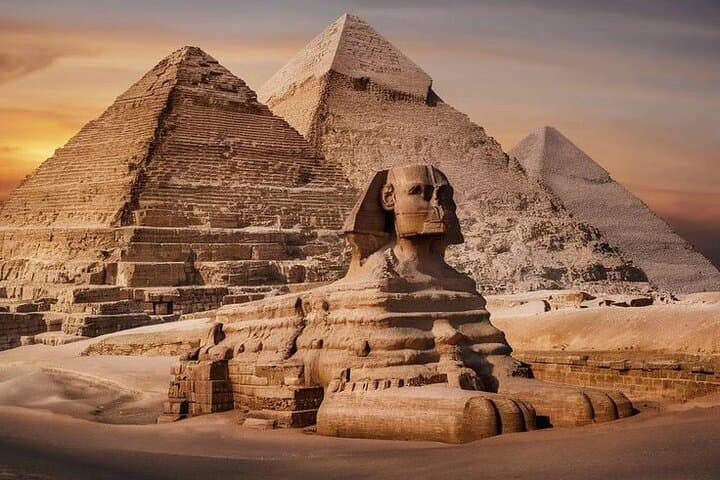
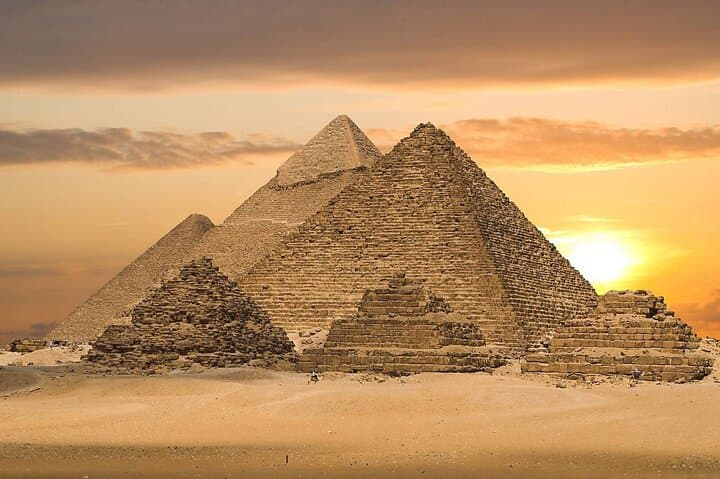
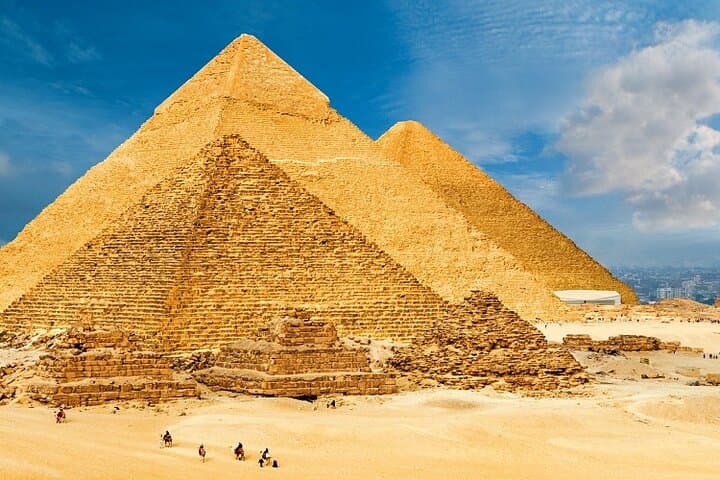
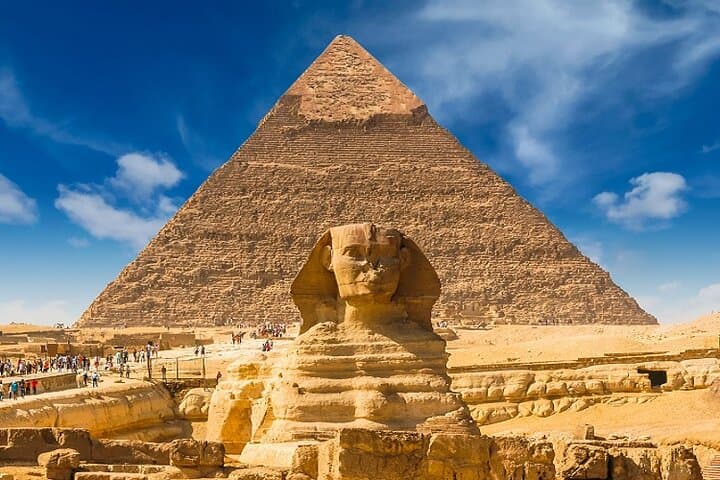
The sun hits the limestone edges of the Great Pyramid and the air smells of dry dust and diesel as your guide leads you across the Giza Plateau. Within minutes you’re face-to-face with beings that have watched the Nile flood and empires rise—three massive pyramids sculpted against Cairo’s skyline, and the Sphinx staring eastward, weathered but unbowed.
Verified experiences and guided adventures in the surrounding area.
Operated by Egyptian Daily Tours · Giza, Giza Governorate
The sun hits the limestone edges of the Great Pyramid and the air smells of dry dust and diesel as your guide leads you across the Giza Plateau. Within minutes you’re face-to-face with beings that have watched the Nile flood and empires rise—three massive pyramids sculpted against Cairo’s skyline, and the Sphinx staring eastward, weathered but unbowed.
This compact half-day tour places the monuments in historical context: the three main pyramids date to Egypt’s Fourth Dynasty (around 2600–2500 BCE), built as royal tombs with careful astronomical alignment. The plateau’s geology—Pleistocene limestone beds capped by windblown sand—gives the site its workmanlike textures and erosion patterns. Expect cultural notes on burial practices, funerary boats, and the later reuse of stone by medieval builders; your guide will point out the Khufu Solar Boat exhibition and lesser-known mastaba tombs nearby.
Practically, the route covers roughly 1.5–3 km of uneven stone and packed sand with minimal elevation change; plan for steady walking, short step-ups and occasional loose sand. Aim for morning or late afternoon to avoid peak heat, bring sun protection, and carry a bottle of water—drinking fountains are scarce on the plateau. Photography is excellent from the pyramid base and the Sphinx esplanade; climbing the pyramids is prohibited. The tour’s skip-the-line access saves time, but be prepared for local vendors and camel handlers near photo spots—decide on rides or tips ahead of time. With clear shoes, a hat, and a good guide, you’ll leave with sharper context for stones that have kept their stories for five millennia.
easy.
3–4 hours.
Suitable for most fitness levels; requires 1.5–3 km of walking on uneven surfaces and short step-ups.
The tour is about four hours and includes skip-the-line entry, an expert guide, bottled water, and private transport from your pickup point as listed on booking.
Climbing pyramids is prohibited and may incur fines; some interior chambers have restricted access—your guide will confirm current entry rules and ticket availability.
The tour is rated easy but involves uneven ground; strollers and wheelchairs may be limited on the plateau—contact the operator about accessibility options and pickup logistics.
Tipping is customary in Egypt; small tips for guides and drivers are appreciated, and camel handlers usually expect payment for rides or photos.
The Giza pyramids were constructed during Egypt's Old Kingdom (4th Dynasty) as monumental royal tombs and engineering statements tied to solar and funerary beliefs.
High visitor numbers and pollution accelerate stone erosion; follow site rules, avoid touching carved surfaces, and support local conservation efforts by using designated paths.
Egyptian Daily Tours operates guided outdoor trips and adventures with an emphasis on safety, stewardship, and memorable experiences.
The sun hits the limestone edges of the Great Pyramid and the air smells of dry dust and diesel as your guide leads you across the Giza Plateau. Within minutes you’re face-to-face with beings that have watched the Nile flood and empires rise—three massive pyramids sculpted against Cairo’s skyline, and the Sphinx staring eastward, weathered but unbowed.
The sun hits the limestone edges of the Great Pyramid and the air smells of dry dust and diesel as your guide leads you across the Giza Plateau. Within minutes you’re face-to-face with beings that have watched the Nile flood and empires rise—three massive pyramids sculpted against Cairo’s skyline, and the Sphinx staring eastward, weathered but unbowed.
This compact half-day tour places the monuments in historical context: the three main pyramids date to Egypt’s Fourth Dynasty (around 2600–2500 BCE), built as royal tombs with careful astronomical alignment. The plateau’s geology—Pleistocene limestone beds capped by windblown sand—gives the site its workmanlike textures and erosion patterns. Expect cultural notes on burial practices, funerary boats, and the later reuse of stone by medieval builders; your guide will point out the Khufu Solar Boat exhibition and lesser-known mastaba tombs nearby.
Practically, the route covers roughly 1.5–3 km of uneven stone and packed sand with minimal elevation change; plan for steady walking, short step-ups and occasional loose sand. Aim for morning or late afternoon to avoid peak heat, bring sun protection, and carry a bottle of water—drinking fountains are scarce on the plateau. Photography is excellent from the pyramid base and the Sphinx esplanade; climbing the pyramids is prohibited. The tour’s skip-the-line access saves time, but be prepared for local vendors and camel handlers near photo spots—decide on rides or tips ahead of time. With clear shoes, a hat, and a good guide, you’ll leave with sharper context for stones that have kept their stories for five millennia.