THE ADVENTURE COLLECTIVE® · Independent discovery and booking for outdoor travel

See the Great Pyramid and Sphinx on a focused half-day private tour, then unwind with a felucca sail on the Nile. This easy, accessible excursion blends archaeological highlights with a calm river ride and hotel pickup in Cairo.
See the Great Pyramid and Sphinx on a focused half-day private tour, then unwind with a felucca sail on the Nile. This easy, accessible excursion blends archaeological highlights with a calm river ride and hotel pickup in Cairo.
You arrive at the Giza plateau with the city’s edge behind you and the Great Pyramid filling the skyline—its weathered limestone faces catching the sun like an unwritten map. Wind moves across the desert, lifting grit against the stones; the Sphinx sits forward, its profile cutting a quiet, human silhouette that has watched the Nile valley for millennia.
Verified experiences and guided adventures in the surrounding area.
Operated by Hesham Egypt tour guide · Giza, Giza Governorate
You arrive at the Giza plateau with the city’s edge behind you and the Great Pyramid filling the skyline—its weathered limestone faces catching the sun like an unwritten map. Wind moves across the desert, lifting grit against the stones; the Sphinx sits forward, its profile cutting a quiet, human silhouette that has watched the Nile valley for millennia.
These monuments date to the Fourth Dynasty (about 2600–2500 BCE), carved from local limestone and set on a bedrock plateau that exposes the geology of ancient seabed and wind-sculpted stone. The Valley Temple and the nearby Solar Boat Museum reveal funerary practice and engineering as much as they do ritual: tomb architecture, aligned passages, and work camp remains point to organized labor and celestial planning.
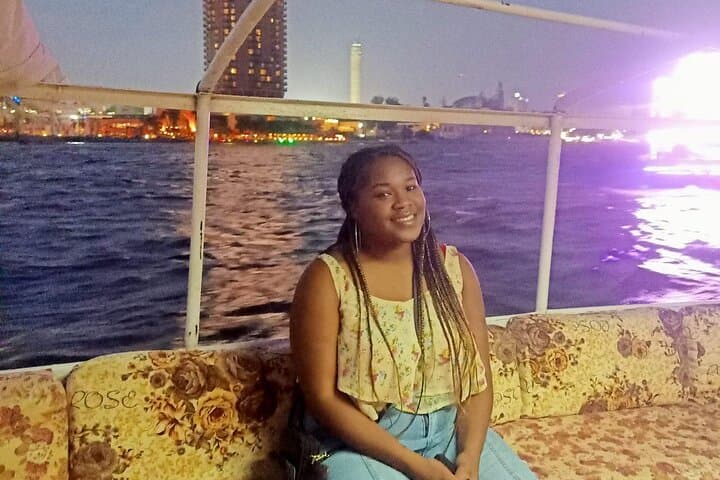
After the plateau you’ll cross to the Nile. A private felucca ride lets the river soften the day—sails fill, the current nudges the hull, and the city’s noise falls away. Together the terrestrial monument and the river ride compress Egyptian history into a single half-day arc: stone, sand, water.
Practicalities: expect three to four hours total with hotel pickup and drop-off; most walking is short but on uneven packed sand and limestone. Entrance to the pyramids is commonly paid on-site (ask your guide to queue for tickets), and the felucca segment is typically private for an hour. Dress for sun and dust, bring cash for tickets and tips, and plan early-morning or late-afternoon departures to avoid peak heat and harsh light for photos.
This itinerary balances iconic views with manageable logistics—an accessible, compact window into ancient Egypt and the living river that still shapes it.
easy.
3–4 hours.
Suitable for all fitness levels; requires short walks on uneven ground and stepping over low walls.
Most standard private tours do not include entrance fees to the pyramids; your guide can help buy tickets on-site—bring cash.
This itinerary lists a private felucca for about 60 minutes, typically shared only with your guide and party.
Walking around the plateau and between monuments totals roughly 1–2 kilometers with short stops; terrain is uneven but flat overall.
Photography rules vary; interior chambers may restrict flash or tripods—ask onsite staff or your guide before shooting.
The Giza pyramids were built during Egypt’s Fourth Dynasty (c. 2600–2500 BCE); the complex served both royal burial and solar-religious functions tied to the king’s afterlife.
Heavy visitor loads and urban encroachment stress the site; follow paths, avoid touching faces of the monuments, and use licensed guides to support regulated access and local conservation efforts.
Hesham Egypt tour guide operates guided outdoor trips and adventures with an emphasis on safety, stewardship, and memorable experiences.


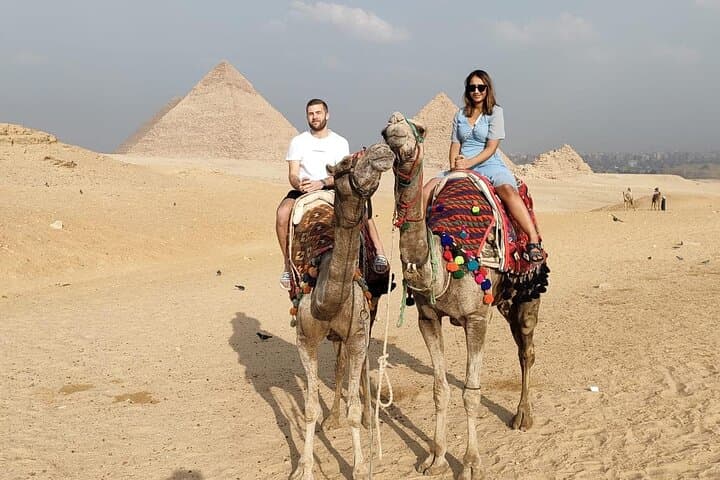
You arrive at the Giza plateau with the city’s edge behind you and the Great Pyramid filling the skyline—its weathered limestone faces catching the sun like an unwritten map. Wind moves across the desert, lifting grit against the stones; the Sphinx sits forward, its profile cutting a quiet, human silhouette that has watched the Nile valley for millennia.
You arrive at the Giza plateau with the city’s edge behind you and the Great Pyramid filling the skyline—its weathered limestone faces catching the sun like an unwritten map. Wind moves across the desert, lifting grit against the stones; the Sphinx sits forward, its profile cutting a quiet, human silhouette that has watched the Nile valley for millennia.
These monuments date to the Fourth Dynasty (about 2600–2500 BCE), carved from local limestone and set on a bedrock plateau that exposes the geology of ancient seabed and wind-sculpted stone. The Valley Temple and the nearby Solar Boat Museum reveal funerary practice and engineering as much as they do ritual: tomb architecture, aligned passages, and work camp remains point to organized labor and celestial planning.
After the plateau you’ll cross to the Nile. A private felucca ride lets the river soften the day—sails fill, the current nudges the hull, and the city’s noise falls away. Together the terrestrial monument and the river ride compress Egyptian history into a single half-day arc: stone, sand, water.
Practicalities: expect three to four hours total with hotel pickup and drop-off; most walking is short but on uneven packed sand and limestone. Entrance to the pyramids is commonly paid on-site (ask your guide to queue for tickets), and the felucca segment is typically private for an hour. Dress for sun and dust, bring cash for tickets and tips, and plan early-morning or late-afternoon departures to avoid peak heat and harsh light for photos.
This itinerary balances iconic views with manageable logistics—an accessible, compact window into ancient Egypt and the living river that still shapes it.