THE ADVENTURE COLLECTIVE® · Independent discovery and booking for outdoor travel

Stand beneath the ancient geometry of the Great Pyramid, circle the enigmatic Sphinx, and explore the Giza Plateau by camel on a compact four‑hour tour. This guide covers what you'll see, the site's history, and practical tips for a responsible visit.
Stand beneath the ancient geometry of the Great Pyramid, circle the enigmatic Sphinx, and explore the Giza Plateau by camel on a compact four‑hour tour. This guide covers what you'll see, the site's history, and practical tips for a responsible visit.
The plateau opens before you in a wash of sun and dust: limestone faces gleam, the wind pushes loose sand across an open sweep, and the Great Pyramid rises with the compact geometry of a man-made hill that has outlived empires.
Verified experiences and guided adventures in the surrounding area.
Operated by Available travel Egypt · Giza, Cairo Governorate
The plateau opens before you in a wash of sun and dust: limestone faces gleam, the wind pushes loose sand across an open sweep, and the Great Pyramid rises with the compact geometry of a man-made hill that has outlived empires.
Walk toward the three main pyramids—Khufu (Cheops), Khafre and Menkaure—and the squat silhouette of the Sphinx that has watched the western horizon for millennia. These monuments date to Egypt’s Old Kingdom (the Great Pyramid is about 4,560 years old) and sit on limestone bedrock carved by ancient builders who quarried and aligned colossal blocks with remarkable precision. The valley temple of Khafre, with its dressed stone and ritual layout, hints at funerary practices centered on the Nile’s rhythms and pharaonic afterlife beliefs.
Culturally, the site remains a working landscape: camel handlers, local guides, and vendors animate the edges while tourists move through layers of history. The desert here speaks in heat and silence; the wind dares you to linger at the summit of a low dune for wide views of Cairo’s modern sprawl.
Practical guidance: this half-day tour runs about four hours and typically includes transportation but not pyramid interior admission—buy inside tickets on site if available. Mornings are cooler and better for photography; bring at least 2 liters of water, sun protection, and sturdy walking shoes for sand and uneven stone. Respect signage—climbing the monuments is prohibited—and prepare small local-currency bills for optional tips and photos.
easy.
4 hours.
Light fitness required—short walks in sand and on uneven stone; comfortable for most travelers.
Not usually—many half-day tours exclude interior admission. If you want to enter, check availability and be prepared to buy a separate ticket at the site; access can be limited for conservation reasons.
Rides are typically short and on flat areas; handlers assist mounting and dismounting. Expect basic safety, but bring a child on your lap if very young and confirm insurance or liability policies with your operator.
Yes—photography is allowed in most outdoor areas, though some spots near conservation works may be restricted; drone use is prohibited without special permits.
Access is partially adapted—there are paved paths and accessible transportation options to the plateau edge, but the immediate pyramid base and sandy stretches are difficult to navigate in a wheelchair.
The Great Pyramid of Khufu dates to around 2560 BCE and was the tallest man-made structure for millennia; the Sphinx and nearby valley temples are tied to funerary rituals and royal cult practices of the Old Kingdom.
High visitor numbers and erosion threaten fragile surfaces—stay on marked paths, avoid touching carved stone, and support certified guides who follow site-protection practices.
Available travel Egypt operates guided outdoor trips and adventures with an emphasis on safety, stewardship, and memorable experiences.

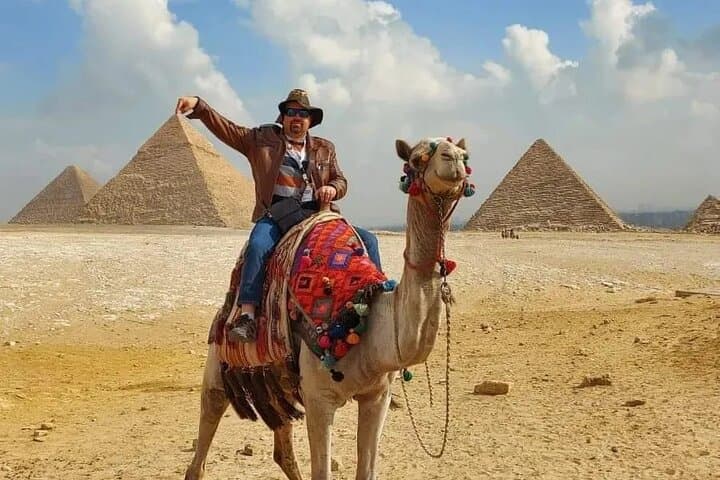
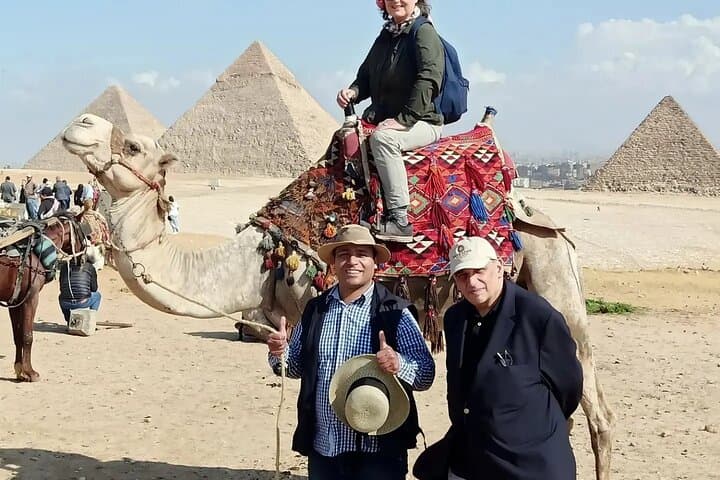
The plateau opens before you in a wash of sun and dust: limestone faces gleam, the wind pushes loose sand across an open sweep, and the Great Pyramid rises with the compact geometry of a man-made hill that has outlived empires.
The plateau opens before you in a wash of sun and dust: limestone faces gleam, the wind pushes loose sand across an open sweep, and the Great Pyramid rises with the compact geometry of a man-made hill that has outlived empires.
Walk toward the three main pyramids—Khufu (Cheops), Khafre and Menkaure—and the squat silhouette of the Sphinx that has watched the western horizon for millennia. These monuments date to Egypt’s Old Kingdom (the Great Pyramid is about 4,560 years old) and sit on limestone bedrock carved by ancient builders who quarried and aligned colossal blocks with remarkable precision. The valley temple of Khafre, with its dressed stone and ritual layout, hints at funerary practices centered on the Nile’s rhythms and pharaonic afterlife beliefs.
Culturally, the site remains a working landscape: camel handlers, local guides, and vendors animate the edges while tourists move through layers of history. The desert here speaks in heat and silence; the wind dares you to linger at the summit of a low dune for wide views of Cairo’s modern sprawl.
Practical guidance: this half-day tour runs about four hours and typically includes transportation but not pyramid interior admission—buy inside tickets on site if available. Mornings are cooler and better for photography; bring at least 2 liters of water, sun protection, and sturdy walking shoes for sand and uneven stone. Respect signage—climbing the monuments is prohibited—and prepare small local-currency bills for optional tips and photos.