THE ADVENTURE COLLECTIVE® · Independent discovery and booking for outdoor travel

See the Great Pyramid and Sphinx, ride a camel across the dunes and burn a little sand on an hour-long ATV, then relax with a rooftop lunch overlooking the plateau. This half-day tour pairs archaeological interpretation with off-road thrills and practical tips for staying safe in the desert heat.
See the Great Pyramid and Sphinx, ride a camel across the dunes and burn a little sand on an hour-long ATV, then relax with a rooftop lunch overlooking the plateau. This half-day tour pairs archaeological interpretation with off-road thrills and practical tips for staying safe in the desert heat.
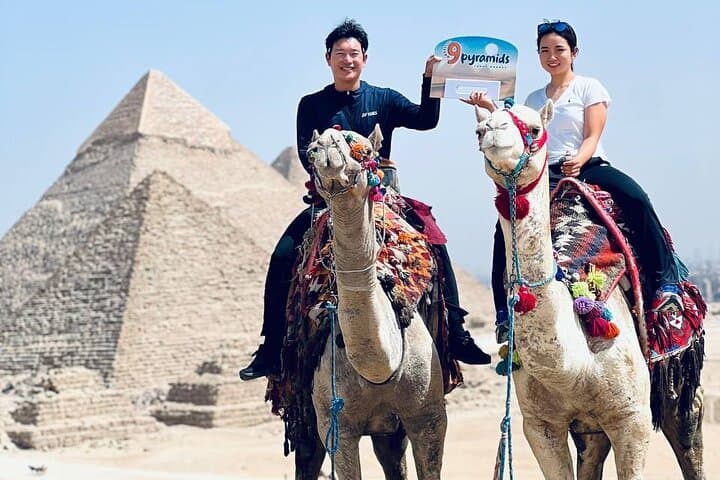
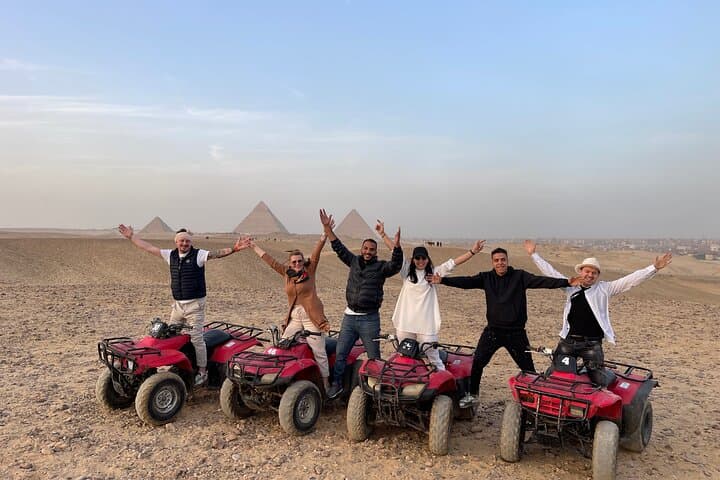
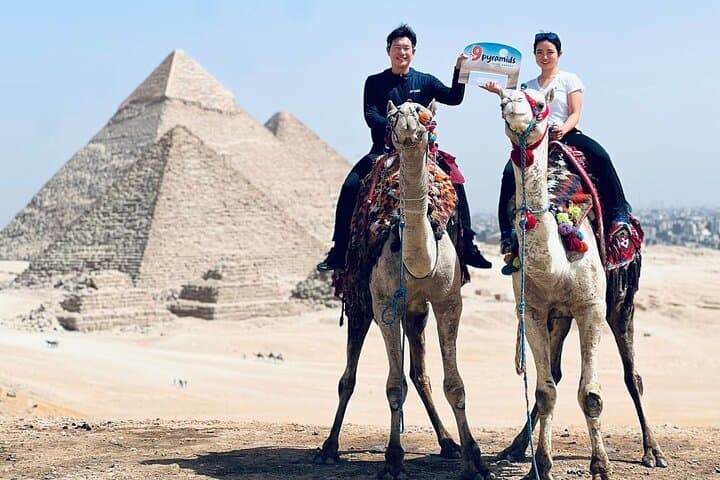
Early light slants across the Giza Plateau and the limestone faces of the Great Pyramid glow pale gold. You step from an air-conditioned vehicle onto a ribbon of packed sand, the Sphinx watching like an old guard, and the desert air smells faintly of dust and diesel from distant Cairo traffic. A local Egyptologist guides the group past the three great pyramids; then camels sway and ATVs wait, offering two very different ways to cross the dunes.
Verified experiences and guided adventures in the surrounding area.
Operated by 9 PYRAMIDS TOURS · Giza, Cairo Governorate
Early light slants across the Giza Plateau and the limestone faces of the Great Pyramid glow pale gold. You step from an air-conditioned vehicle onto a ribbon of packed sand, the Sphinx watching like an old guard, and the desert air smells faintly of dust and diesel from distant Cairo traffic. A local Egyptologist guides the group past the three great pyramids; then camels sway and ATVs wait, offering two very different ways to cross the dunes.
The pyramids — Khufu’s Great Pyramid, Khafre’s slightly smaller but more intact tomb, and Menkaure’s compact complex — date to the Fourth Dynasty, roughly 4,500 years ago. Geologically the plateau is limestone bedrock capped historically with Tura casing stones, most of which were removed over centuries. The Sphinx, carved from a single outcrop, anchors the site in funerary and ritual landscape; modern-day guides, vendors, and Bedouin communities make this a living cultural crossroads.
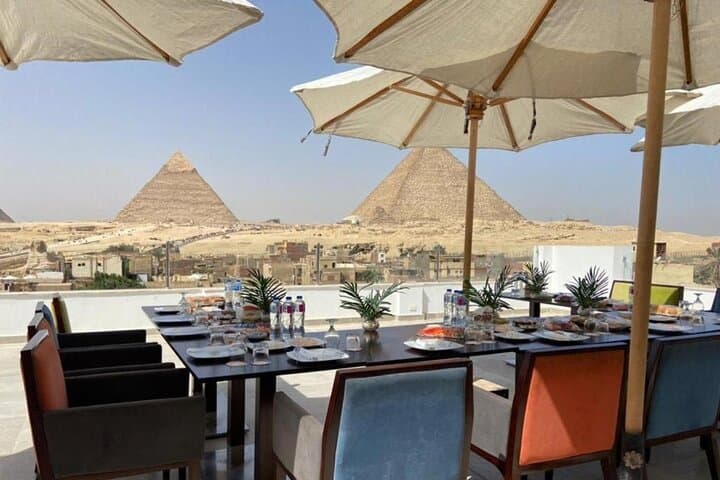
Practically, this half-day blends interpretation with activity: expect about 4–5 hours total including hotel pickup, time on the plateau, a short camel ride, and a roughly one-hour ATV session. Entry into a pyramid interior requires an extra ticket; bring small Egyptian pounds for that, tips, and souvenirs. Wear closed-toe shoes for ATV, a sunhat and sunscreen, and carry water — shade is limited. The rooftop lunch offers clear views of the plateau and a welcome rest before the drive back to Cairo. For those with back, heart, or pregnancy concerns, the camel and ATV portions are not recommended; the tour operator flags those restrictions up front.
moderate.
4–5 hours.
Light to moderate fitness; able to walk on uneven sand, climb on/off a camel and follow basic ATV safety instruction.
Standard tour access to view the pyramids and Sphinx is included, but entering the interior of a pyramid requires an additional ticket purchased on site or in advance.
Camel and ATV rides are generally safe for healthy adults, but the operator advises against participation for pregnant travelers, people with spinal or serious heart conditions, or young infants.
Expect about 1–1.5 hours for guided viewing at key pyramid points and the Sphinx, plus additional time for camel and ATV activities within the 4–5 hour tour.
Tipping is customary; bring small local-currency bills to tip your guide, driver, and any service providers like camel handlers.
The Giza complex was constructed during Egypt’s Old Kingdom; Khufu’s Great Pyramid originally rose about 146 m and was faced with Tura limestone casing stones now largely removed.
High visitor numbers and urban encroachment create wear on archaeological features; stick to paths, avoid climbing on structures, and support licensed guides who follow site rules.
9 PYRAMIDS TOURS operates guided outdoor trips and adventures with an emphasis on safety, stewardship, and memorable experiences.
Early light slants across the Giza Plateau and the limestone faces of the Great Pyramid glow pale gold. You step from an air-conditioned vehicle onto a ribbon of packed sand, the Sphinx watching like an old guard, and the desert air smells faintly of dust and diesel from distant Cairo traffic. A local Egyptologist guides the group past the three great pyramids; then camels sway and ATVs wait, offering two very different ways to cross the dunes.
Early light slants across the Giza Plateau and the limestone faces of the Great Pyramid glow pale gold. You step from an air-conditioned vehicle onto a ribbon of packed sand, the Sphinx watching like an old guard, and the desert air smells faintly of dust and diesel from distant Cairo traffic. A local Egyptologist guides the group past the three great pyramids; then camels sway and ATVs wait, offering two very different ways to cross the dunes.
The pyramids — Khufu’s Great Pyramid, Khafre’s slightly smaller but more intact tomb, and Menkaure’s compact complex — date to the Fourth Dynasty, roughly 4,500 years ago. Geologically the plateau is limestone bedrock capped historically with Tura casing stones, most of which were removed over centuries. The Sphinx, carved from a single outcrop, anchors the site in funerary and ritual landscape; modern-day guides, vendors, and Bedouin communities make this a living cultural crossroads.
Practically, this half-day blends interpretation with activity: expect about 4–5 hours total including hotel pickup, time on the plateau, a short camel ride, and a roughly one-hour ATV session. Entry into a pyramid interior requires an extra ticket; bring small Egyptian pounds for that, tips, and souvenirs. Wear closed-toe shoes for ATV, a sunhat and sunscreen, and carry water — shade is limited. The rooftop lunch offers clear views of the plateau and a welcome rest before the drive back to Cairo. For those with back, heart, or pregnancy concerns, the camel and ATV portions are not recommended; the tour operator flags those restrictions up front.