THE ADVENTURE COLLECTIVE® · Independent discovery and booking for outdoor travel

Walk among the millennia at Giza on a concise, guided half-day that pairs the Great Pyramid, a panoramic plateau view, a 30-minute camel ride and a close look at the Sphinx. Ideal for limited-time travellers who want the essentials with practical guidance.
Walk among the millennia at Giza on a concise, guided half-day that pairs the Great Pyramid, a panoramic plateau view, a 30-minute camel ride and a close look at the Sphinx. Ideal for limited-time travellers who want the essentials with practical guidance.
The sun slants across the Giza Plateau as the driver eases the van into the shadow of stone older than recorded history. Fine sand brushes the road; wind pushes loose grains across the slopes of the Great Pyramid and the air tastes faintly of dust and diesel. Visitors step out and the scale hits them — blocks stacked like a slow-motion tide, the Sphinx watching with an inscrutable profile.
Verified experiences and guided adventures in the surrounding area.
Operated by True Egypt - Day Tours · Giza, Giza Governorate
The sun slants across the Giza Plateau as the driver eases the van into the shadow of stone older than recorded history. Fine sand brushes the road; wind pushes loose grains across the slopes of the Great Pyramid and the air tastes faintly of dust and diesel. Visitors step out and the scale hits them — blocks stacked like a slow-motion tide, the Sphinx watching with an inscrutable profile.
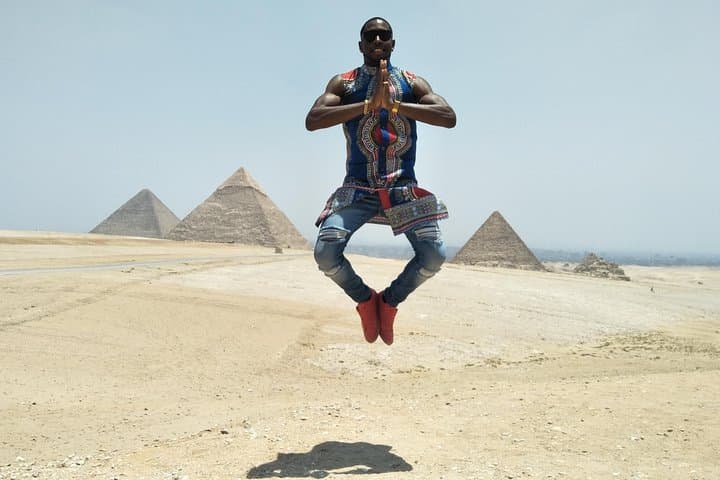
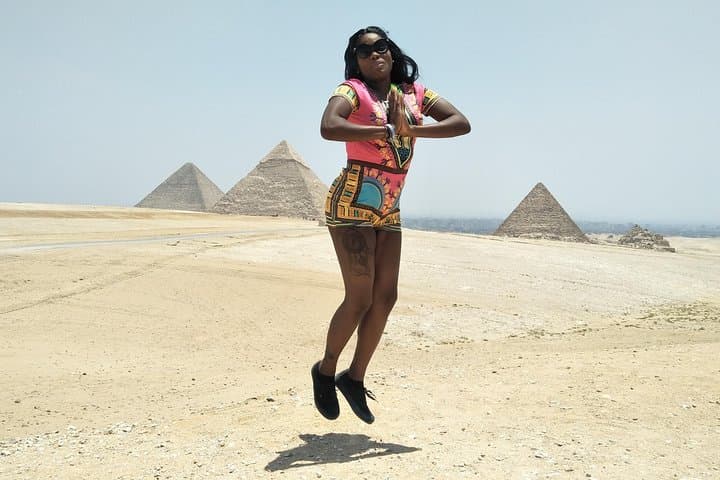
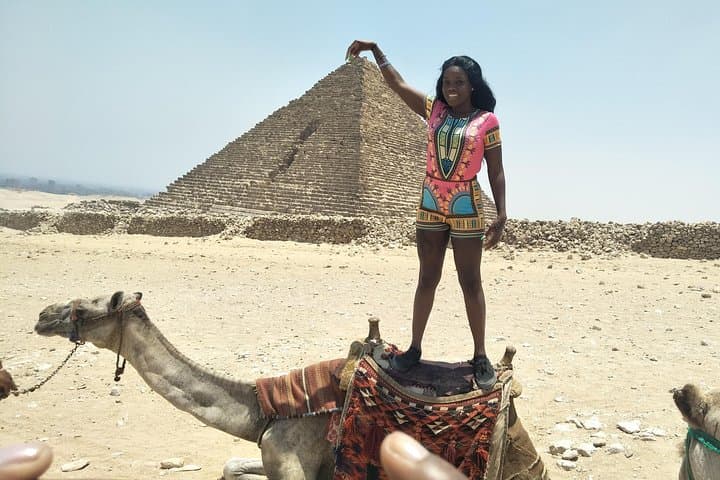
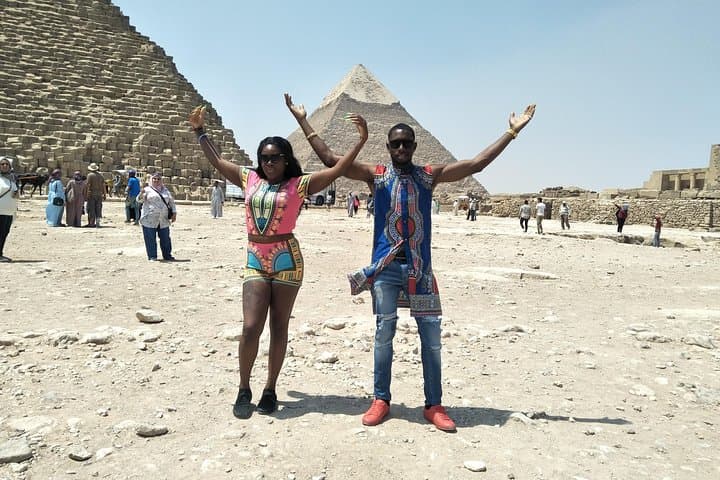
This half-day outing traces the essentials: a guided walk around the Great Pyramid of Khufu, a panorama viewpoint aligning the three major pyramids, a thirty-minute camel ride across the plateau, and a stop at the Sphinx and Valley Temple. Geologically the site sits on Tura limestone and bedrock that Egyptian builders quarried and shaped; culturally these monuments date to Egypt’s Old Kingdom (c. 2600 BCE), built as royal funerary complexes. Modern Giza is a noisy satellite of Cairo, with local Bedouin and vendors adding a chaotic human layer to the ancient stone.
Expect uneven sand and stone surfaces, strong sun, and short spurts of walking between stops over roughly five hours. Practical notes: wear sturdy closed shoes, carry sunscreen and a refillable water bottle, and keep small bills for local guides and camel handlers. Plan pickup from your Cairo or Giza hotel in the morning to avoid midday heat. The tour is accessible for most fitness levels but involves sand walking and uneven steps; pacing and hydration make the difference between good photos and overheated impatience.
easy.
5 hours.
Suitable for most fitness levels; expect short walks on sand and uneven stone that require basic mobility and stamina.
This tour lists admission as included for the main Giza Plateau sites visited; confirm at booking for any optional entry points like the interior of a pyramid.
The camel ride is about 30 minutes; handlers provide basic instructions — it’s suitable for first-time riders though mounting can be jerky and wearing long pants helps prevent chafing.
The tour is listed as wheelchair accessible, but expect uneven ground on the plateau; contact the operator ahead of time to confirm vehicle and site access specifics.
Photography is allowed in public areas; drone use is restricted and some sites may prohibit tripods — follow the guide’s directions and signage.
The Great Pyramid was built for Pharaoh Khufu around 2600 BCE; the Sphinx is commonly associated with Khafre and the Valley Temple forms part of the funerary complex.
High visitor numbers and urban pollution threaten the site; stick to marked paths, avoid touching carved surfaces, and follow guide instructions to reduce wear.
True Egypt - Day Tours operates guided outdoor trips and adventures with an emphasis on safety, stewardship, and memorable experiences.
The sun slants across the Giza Plateau as the driver eases the van into the shadow of stone older than recorded history. Fine sand brushes the road; wind pushes loose grains across the slopes of the Great Pyramid and the air tastes faintly of dust and diesel. Visitors step out and the scale hits them — blocks stacked like a slow-motion tide, the Sphinx watching with an inscrutable profile.
The sun slants across the Giza Plateau as the driver eases the van into the shadow of stone older than recorded history. Fine sand brushes the road; wind pushes loose grains across the slopes of the Great Pyramid and the air tastes faintly of dust and diesel. Visitors step out and the scale hits them — blocks stacked like a slow-motion tide, the Sphinx watching with an inscrutable profile.
This half-day outing traces the essentials: a guided walk around the Great Pyramid of Khufu, a panorama viewpoint aligning the three major pyramids, a thirty-minute camel ride across the plateau, and a stop at the Sphinx and Valley Temple. Geologically the site sits on Tura limestone and bedrock that Egyptian builders quarried and shaped; culturally these monuments date to Egypt’s Old Kingdom (c. 2600 BCE), built as royal funerary complexes. Modern Giza is a noisy satellite of Cairo, with local Bedouin and vendors adding a chaotic human layer to the ancient stone.
Expect uneven sand and stone surfaces, strong sun, and short spurts of walking between stops over roughly five hours. Practical notes: wear sturdy closed shoes, carry sunscreen and a refillable water bottle, and keep small bills for local guides and camel handlers. Plan pickup from your Cairo or Giza hotel in the morning to avoid midday heat. The tour is accessible for most fitness levels but involves sand walking and uneven steps; pacing and hydration make the difference between good photos and overheated impatience.