THE ADVENTURE COLLECTIVE® · Independent discovery and booking for outdoor travel

See Giza’s pyramids and the Sphinx in a compact, expertly guided half-day: a plateau walk, a short camel ride, and a local Koshary lunch. Ideal for travelers who want iconic views and historical context without a full-day commitment.
See Giza’s pyramids and the Sphinx in a compact, expertly guided half-day: a plateau walk, a short camel ride, and a local Koshary lunch. Ideal for travelers who want iconic views and historical context without a full-day commitment.
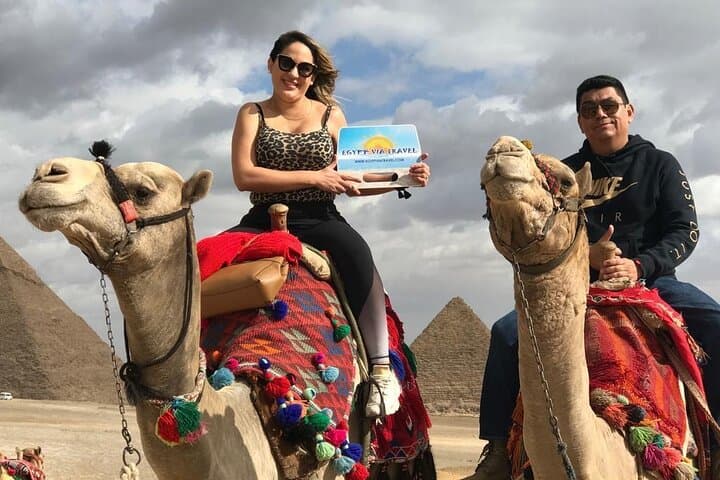
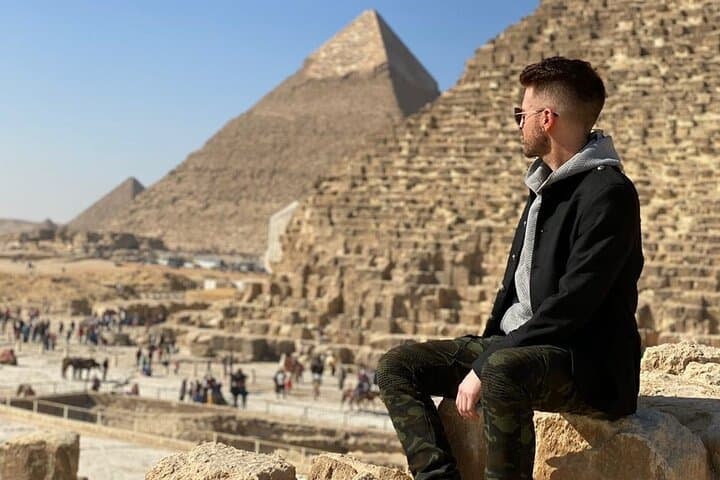
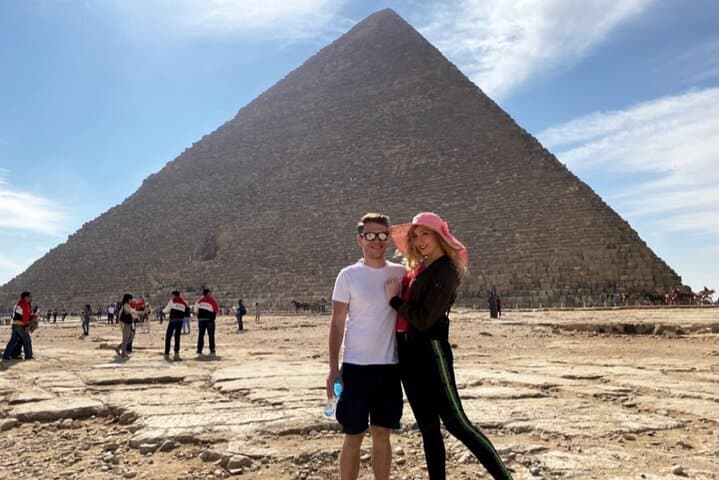
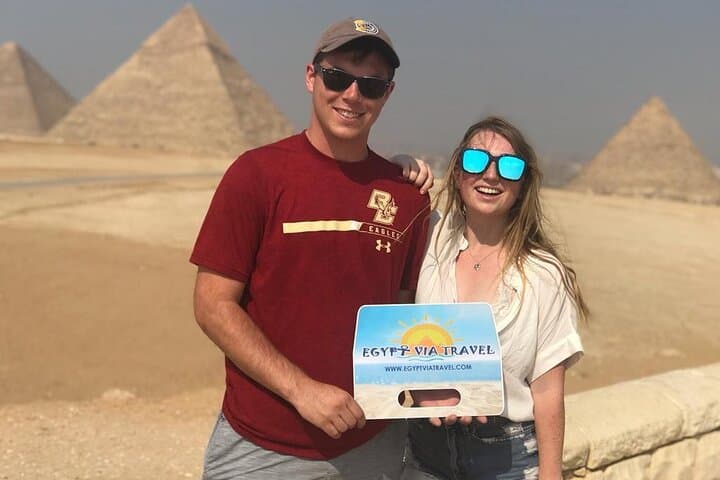
Morning light strips across the Giza Plateau, and the three pyramids throw long, angular shadows across wind-scoured sand. The Sphinx stares east, unblinking, while a caravan of camels waits like patient ships. This half-day tour compresses the essentials of ancient Egypt into a focused, doable outing: guided stops at the Great Pyramid complex, a close approach to the Sphinx, a short camel ride across the plateau, and a local Koshary lunch served afterward.
Verified experiences and guided adventures in the surrounding area.
Operated by Egypt Via Travel · Giza, Giza Governorate
Morning light strips across the Giza Plateau, and the three pyramids throw long, angular shadows across wind-scoured sand. The Sphinx stares east, unblinking, while a caravan of camels waits like patient ships. This half-day tour compresses the essentials of ancient Egypt into a focused, doable outing: guided stops at the Great Pyramid complex, a close approach to the Sphinx, a short camel ride across the plateau, and a local Koshary lunch served afterward.
The stones themselves are living geology — calcite and limestone blocks quarried and assembled four millennia ago — and the plateau has been a funerary landscape since the Old Kingdom. Your Egyptologist guide threads historical context through the visit: the construction feats of Khufu, Khafre, and Menkaure, the Sphinx’s debated origins, and how changing Nile levels shaped settlement patterns nearby.
Expect open desert, strong sun, and crowds near primary viewpoints; the experience balances active walking on uneven sand and paved causeways with periods of standing and photography. Practical notes: wear sturdy closed shoes for sandy, stepped surfaces; carry sun protection and a refillable water bottle — bottled water is provided, but refills help reduce waste. Camel rides are short, led by handlers; budgets for any optional pyramid entry separately. Pickup and drop-off are by air-conditioned vehicle; the tour runs roughly four to five hours and suits most fitness levels.
Timing early morning reduces heat and light-for-photography benefits. Bring a small daypack, cash for tips, and respect site rules—no climbing on monuments. Book early to secure preferred time slots.
easy.
4–5 hours.
Suitable for most travelers with basic mobility; involves walking short distances on uneven ground and standing.
No; optional entry into a pyramid requires a separate ticket purchased on-site and is subject to site rules and limited access.
Camel rides are short and guided by handlers; the ride is included as described, and camels are managed by local grooms.
The operator indicates wheelchair-accessible transport and surfaces in some areas, but access to all plateau locations and camel rides may be limited—check in advance.
Guides are professional Egyptologists and often speak English; confirm language needs at booking to ensure a suitable guide.
The Giza Plateau served as a royal necropolis in Egypt's Old Kingdom; the three main pyramids were built as tombs for pharaohs Khufu, Khafre, and Menkaure.
High visitor numbers stress fragile surfaces and local water resources—follow marked paths, avoid littering, and prefer reusable bottles to reduce impact.
Egypt Via Travel operates guided outdoor trips and adventures with an emphasis on safety, stewardship, and memorable experiences.
Morning light strips across the Giza Plateau, and the three pyramids throw long, angular shadows across wind-scoured sand. The Sphinx stares east, unblinking, while a caravan of camels waits like patient ships. This half-day tour compresses the essentials of ancient Egypt into a focused, doable outing: guided stops at the Great Pyramid complex, a close approach to the Sphinx, a short camel ride across the plateau, and a local Koshary lunch served afterward.
Morning light strips across the Giza Plateau, and the three pyramids throw long, angular shadows across wind-scoured sand. The Sphinx stares east, unblinking, while a caravan of camels waits like patient ships. This half-day tour compresses the essentials of ancient Egypt into a focused, doable outing: guided stops at the Great Pyramid complex, a close approach to the Sphinx, a short camel ride across the plateau, and a local Koshary lunch served afterward.
The stones themselves are living geology — calcite and limestone blocks quarried and assembled four millennia ago — and the plateau has been a funerary landscape since the Old Kingdom. Your Egyptologist guide threads historical context through the visit: the construction feats of Khufu, Khafre, and Menkaure, the Sphinx’s debated origins, and how changing Nile levels shaped settlement patterns nearby.
Expect open desert, strong sun, and crowds near primary viewpoints; the experience balances active walking on uneven sand and paved causeways with periods of standing and photography. Practical notes: wear sturdy closed shoes for sandy, stepped surfaces; carry sun protection and a refillable water bottle — bottled water is provided, but refills help reduce waste. Camel rides are short, led by handlers; budgets for any optional pyramid entry separately. Pickup and drop-off are by air-conditioned vehicle; the tour runs roughly four to five hours and suits most fitness levels.
Timing early morning reduces heat and light-for-photography benefits. Bring a small daypack, cash for tips, and respect site rules—no climbing on monuments. Book early to secure preferred time slots.